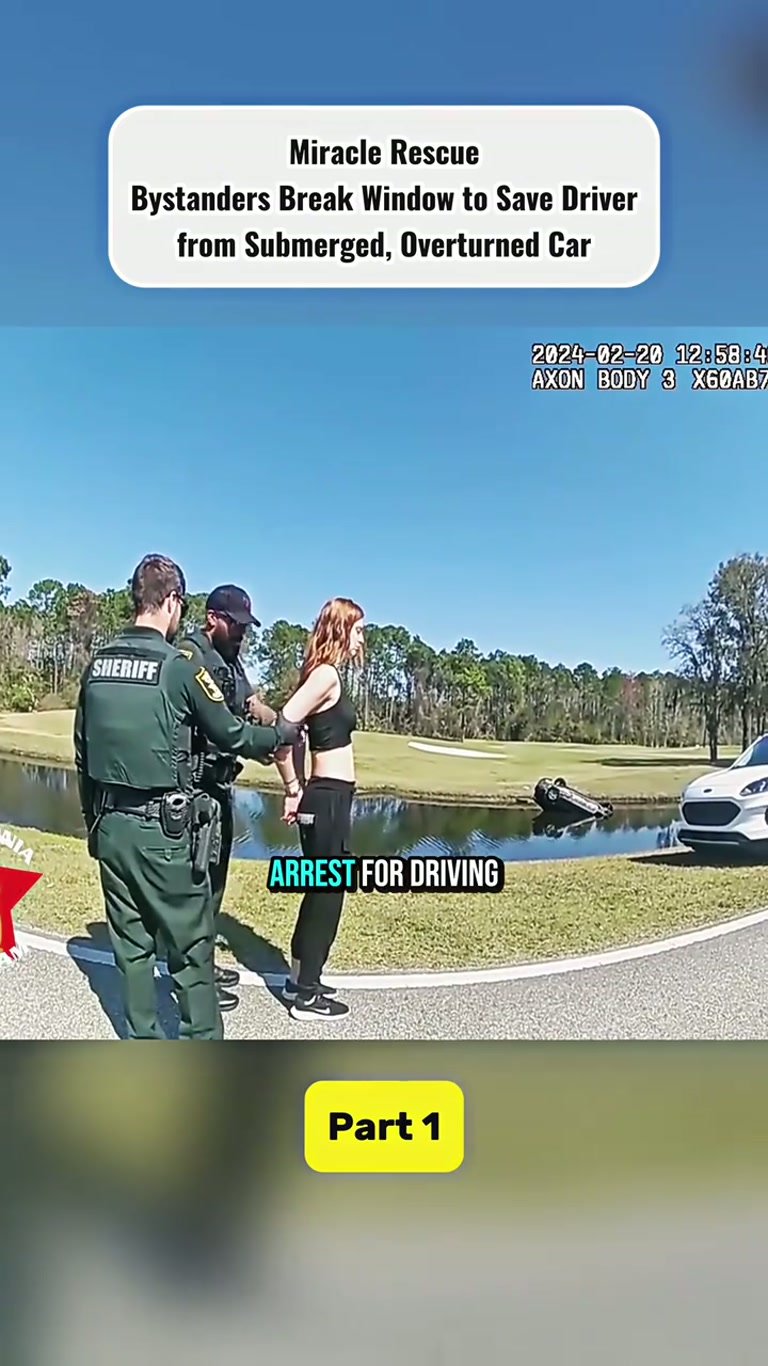
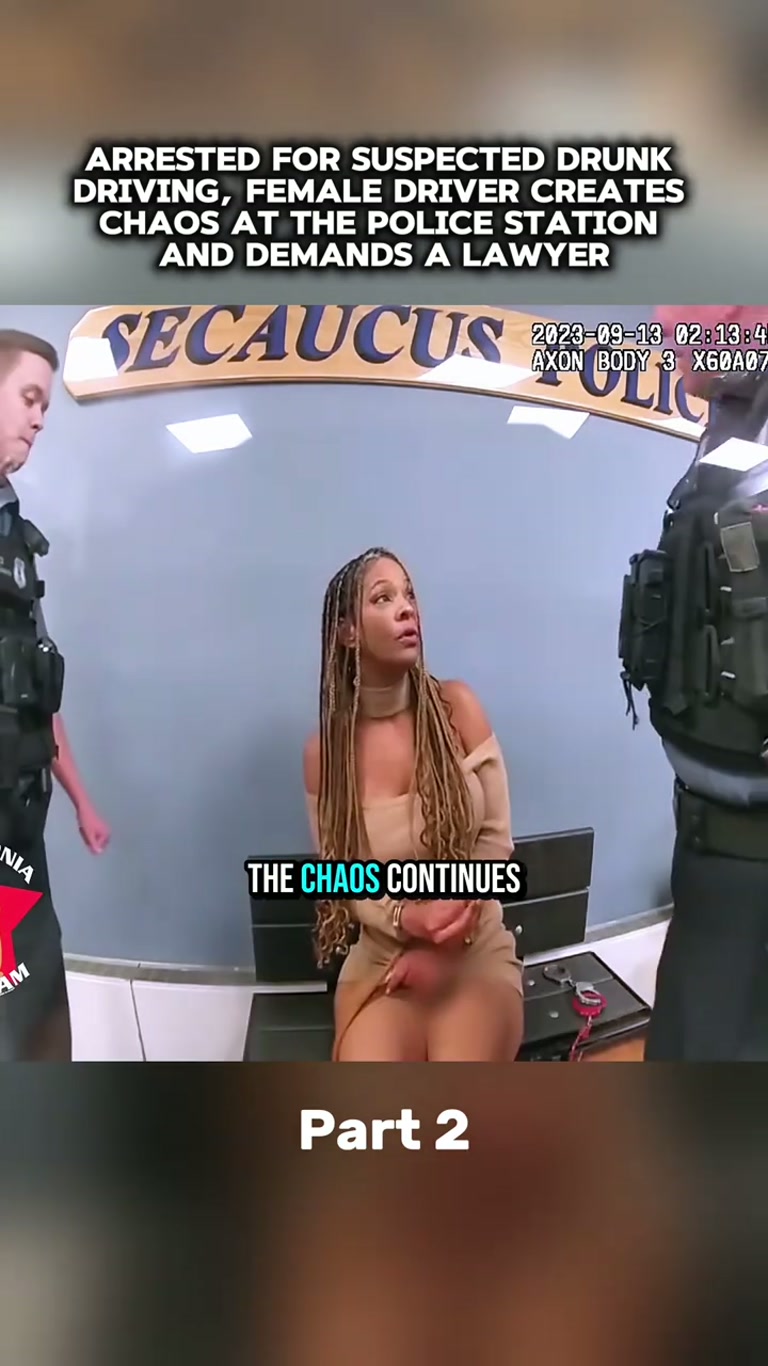
A routine traffic stop for suspected drunk driving turned into a chaotic scene at a police station, where a female driver violently resisted officers and demanded to see a lawyer. The incident, captured on police body cameras, shows the suspect being brought to the floor after a physical struggle, complaining of a headache and triggering a medical response. The footage highlights the tense moments that followed as officers attempted to process the arrest while the suspect refused to answer interrogation questions.

Overview of the incident and the key facts
- A female driver was arrested on suspicion of drunk driving and taken to a police station for processing.
- The situation escalated when the suspect violently resisted officers, leading to a physical struggle and being brought to the floor.
- The suspect complained of a headache and reported injuries, prompting officers to call an ambulance for medical checks.
- Officers continued with complaint procedures, including charges for resisting arrest and attempted aggravated assault.
- Throughout the process, the suspect repeatedly demanded a lawyer and refused to answer interrogation questions.
- The incident was captured on police body cameras, showing the chaotic scene inside the station.
The Arrest and Initial Traffic Stop
The incident began as what appeared to be a routine traffic stop, with officers suspecting the driver of being under the influence of alcohol. According to the body camera footage, the female driver was taken into custody without major incident at the roadside, but the situation quickly deteriorated once she was transported to the police station. The transition from the vehicle to the holding area marked the beginning of a tense escalation that would consume the next hour of police time and resources.
Once inside the station, the suspect's demeanour shifted dramatically. She became uncooperative, refusing to follow instructions and verbally challenging the officers' authority. The atmosphere in the station, typically controlled and procedural, turned volatile as the woman demanded to know why she was being held and insisted on speaking to a lawyer immediately. Officers attempted to explain the process, but their words were met with resistance and escalating agitation.
The footage shows officers maintaining their composure while the suspect's voice rose in volume and frustration. The stark fluorescent lighting of the station highlighted the growing tension as the woman paced and gestured, her body language signalling a complete rejection of the situation. What had started as a straightforward DUI arrest was rapidly becoming a test of patience and protocol for the officers involved.
Physical Resistance and the Struggle
The situation turned more physical when the suspect violently resisted the officers' attempts to guide her through the booking process. According to the transcript, the resistance led to officers bringing her down to the floor in a controlled manner to prevent injury to herself or others. The sound of the scuffle echoed through the station as the woman struggled against the officers' grip, her demands for a lawyer intermingled with shouts of protest.
Following the physical altercation, the suspect began complaining of a headache, stating that she had been injured during the take-down. Officers, following standard procedure, assessed the situation and determined that medical attention was necessary. An ambulance was called to transport her to the hospital for medical checks due to the reported injuries and headache. This decision, while necessary for liability and safety reasons, added another layer of complexity to an already chaotic scene.
The suspect continued to vocalise her complaints, accusing officers of mistreatment and demanding clear explanations of all procedures. She repeatedly requested to view camera footage, perhaps believing it would support her claims of excessive force. Officers maintained their stance, requiring strict compliance while keeping handcuffs and shackles on due to her prior violent behaviour. The physical restraints remained a point of contention, with the suspect arguing they were unnecessary while officers cited safety concerns.
Processing, Charges and Demands for a Lawyer
Despite the interruptions, officers continued completing complaint procedures, including charges for resisting arrest and attempted aggravated assault. The transcript notes that the suspect refused to answer interrogation questions, a right she is entitled to, but one that also slowed down the administrative process. Throughout the processing, she repeatedly demanded to see a lawyer, a request that officers acknowledged but could not immediately fulfil due to the ongoing medical situation.
The chaos continued as the suspect kept complaining about the officer's treatment, her voice a constant backdrop to the procedural work being carried out. Finally, violation records and criminal charges were officially established while waiting for the ambulance to arrive. The footage captures the moment when the paperwork was completed, marking the end of the station-based portion of the incident, though the suspect's medical evaluation was still pending.
The officers involved displayed a remarkable degree of restraint, adhering to their training despite the provocations. The transcript indicates that they maintained their stance, requiring strict compliance while keeping handcuffs and shackles on due to prior violent behaviour. This adherence to protocol, while frustrating for the suspect, ensured that the situation did not escalate further and that all actions were documented for later review.
The Insurance and Financial Implications of DUI Arrests
While the immediate focus of the video is the chaotic interaction between the suspect and the officers, the long-term consequences of a drunk driving arrest extend far beyond the holding cell. For anyone involved in such an incident, the financial and insurance ramifications can be severe and long-lasting. In the United States, a DUI conviction can lead to skyrocketing car insurance premiums, often doubling or even tripling the annual cost for years to come. Insurers view a DUI as a major red flag, indicating a high-risk driver, and they adjust their pricing accordingly.
In the UK, the situation is similarly stark. A drink-driving conviction can result in a minimum 12-month driving ban, and insurance companies are required to be notified. Failure to disclose a conviction can invalidate a policy entirely. Once a conviction is spent, insurers may still ask about it for a period, and premiums will reflect the increased risk. The financial hit comes not just from premiums but also from fines, legal fees, and potential loss of employment if driving is a requirement of the job.
For the vehicle itself, if it is impounded, the owner may face daily storage fees and towing costs. If the driver is not the registered owner, the owner may struggle to reclaim the vehicle without paying these fees. In some cases, insurance policies may not cover the cost of recovery if the vehicle was being used illegally. This creates a cascading financial burden that often catches people off guard, far outweighing the initial fine or court costs.
Liability, Excess and Claim Steps for Those Affected
When a drunk driving incident occurs, liability for any damage or injury typically falls on the driver who was intoxicated. In the US, most states require drivers to carry liability insurance, but if the at-fault driver is uninsured or underinsured, the victim may need to rely on their own uninsured motorist coverage. In the UK, the Motor Insurers' Bureau (MIB) can provide compensation to victims of uninsured or hit-and-run drivers, but the process can be lengthy.
For the driver arrested for DUI, their own insurance policy may not cover the damage to their vehicle if the incident is deemed a result of illegal activity. Many policies contain exclusions for intentional acts or criminal activity. If the driver was driving someone else's car, the owner's policy might be affected, leading to increased premiums for the owner as well. The excess or deductible on a policy is the amount the policyholder must pay out of pocket before the insurer covers the rest, and in DUI cases, this can be substantial.
If a claim is made, the steps are generally similar in both countries: report the incident to the insurer promptly, provide a police report number, and cooperate with the investigation. However, if the driver is convicted, the insurer may seek to recover costs from the driver. For victims, documenting everything—medical bills, lost wages, repair estimates—is crucial. Legal advice is often necessary to navigate the complex web of insurance claims and criminal proceedings.
The Aftermath and Broader Consequences
The footage ends with the suspect waiting for the ambulance, her demands for a lawyer unanswered and her complaints echoing in the station. The immediate chaos has subsided, but the consequences are just beginning. For the officers, the incident represents another unpredictable shift where procedure and safety must be balanced against the rights of a resistant individual. For the suspect, the road ahead involves legal proceedings, potential medical bills, and the looming financial impact on her insurance and driving privileges.
The incident also raises questions about the resources expended in such cases. The involvement of an ambulance, the time spent on processing, and the administrative burden of the charges all come at a cost to the public purse. In the US, some jurisdictions charge the arrested individual for the cost of their incarceration or medical transport, adding yet another financial layer to the punishment.
Ultimately, the video serves as a stark reminder of how quickly a routine traffic stop can escalate. It also highlights the importance of understanding one's rights and the financial protections—or lack thereof—that come with certain behaviours. Whether in the US or the UK, the ripple effects of a DUI arrest touch every aspect of a person's life, from their wallet to their freedom.
| Incident parameter | Logged / on-scene information |
|---|---|
| Location | Police station (Secaucus Police Department, based on signage) |
| Time of day | Evening (based on timestamps in footage) |
| Suspect | Female driver arrested for suspected drunk driving |
| Charges | Resisting arrest, attempted aggravated assault (per transcript) |
| Medical outcome | Ambulance called for reported headache and injuries |
| Officer actions | Maintained handcuffs and shackles due to violent behaviour |
| Video source | Police body camera footage |
Important note: The details in this article are based on police body camera footage and the accompanying transcript; some elements, including the suspect's identity and the final legal outcome, remain unverified.
Core questions still unanswered
- Should police departments release body camera footage of arrests involving medical emergencies?
- How can the insurance industry better address the financial fallout of DUI incidents for all parties?
- What rights do suspects have when demanding a lawyer during processing, and were they respected here?
Learn more: Connecticut man ambushes police after traffic stop | Insurance impact
🎥 Watch the video at the bottom of the page 👇
This story was edited from a publicly posted video; some details may not be independently verified.