Quilts are usually discussed as craft, and Bisa Butler’s work is presented as portraiture. On 25 August, the Smithsonian American Art Museum announced a 2027 exhibition tracing three decades of the artist’s quilted portraits and the choices that shape their visual language. The announcement is a programme notice, not a review of a show audiences have not seen.
What Butler’s work does
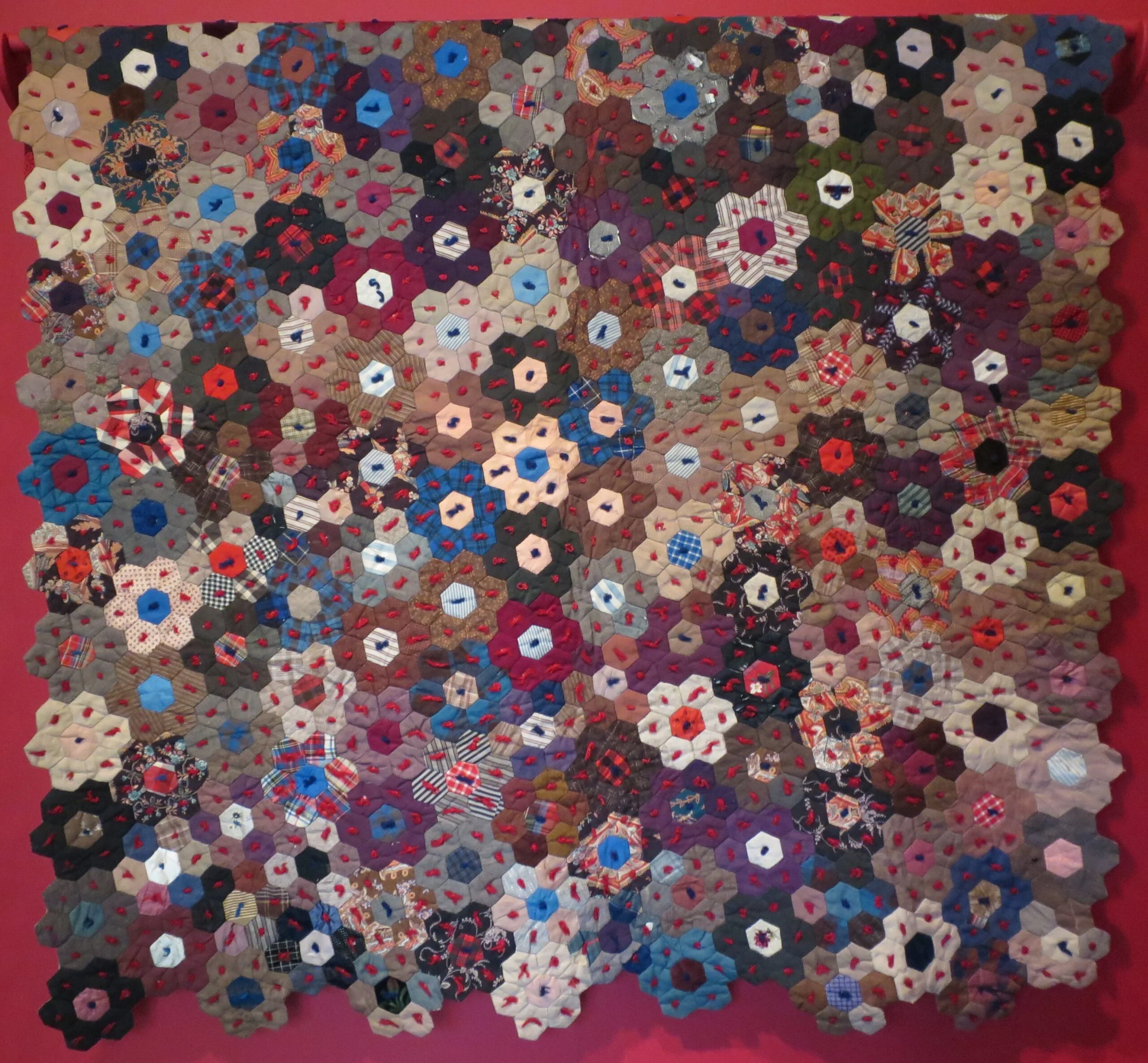
Butler creates portraits in fabric, using layered textiles to depict individuals and draw on photographic sources. The medium carries associations with domestic craft, and the subject matter connects to portraiture, history and identity. That combination places the work at the intersection of several traditions, which is part of its critical interest.
Why a survey exhibition matters
A survey spanning decades allows an artist’s development to be seen over time, rather than through isolated works. It can reveal recurring concerns, changes in technique and the influence of context. For an artist whose medium is often categorised as craft, a museum survey also makes an argument about where the work belongs.
The craft and art question
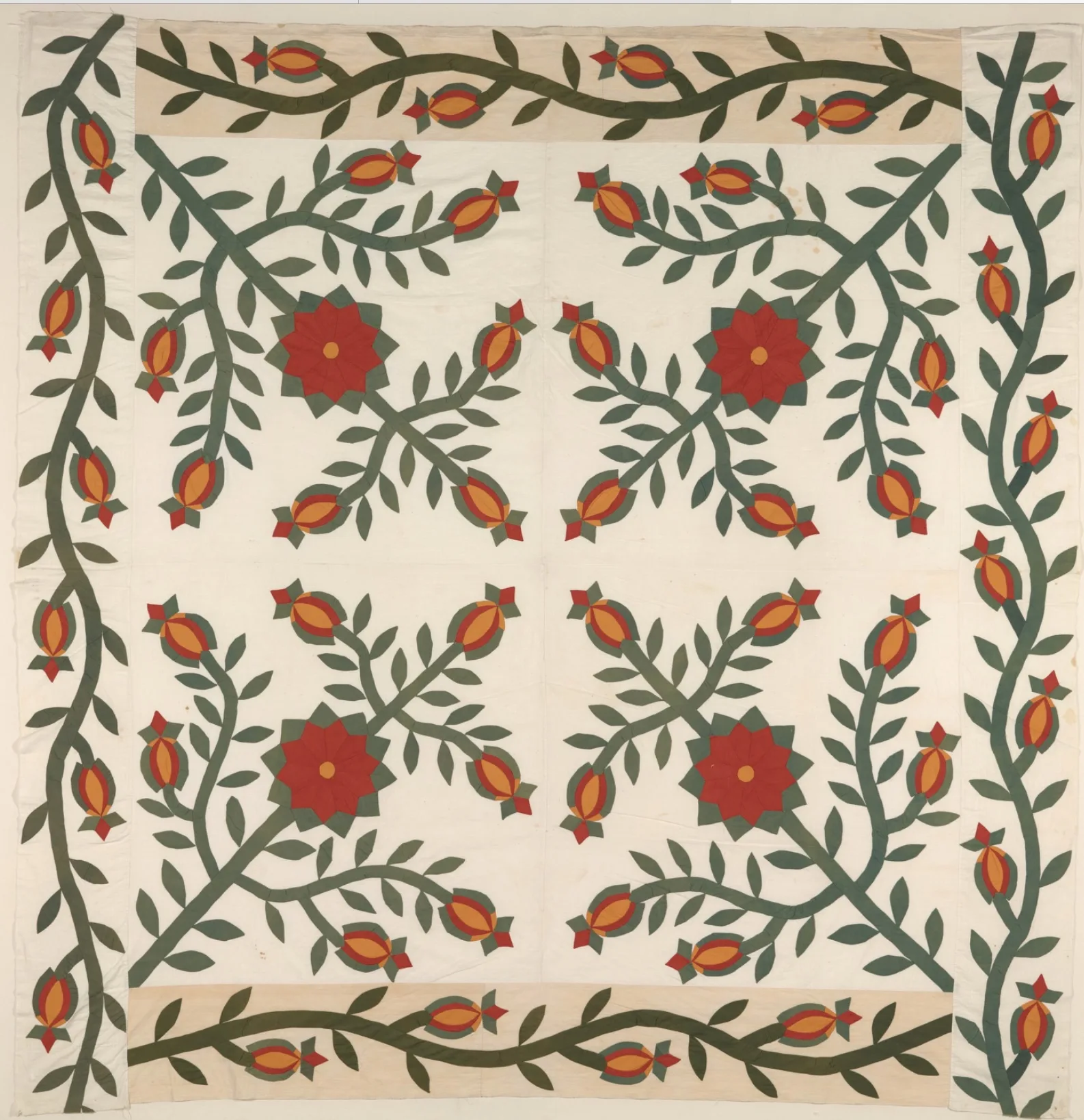
Textiles have historically been excluded from fine-art categories, partly because they were associated with women’s domestic labour. Museums and critics have challenged that exclusion over recent decades, and exhibitions of textile artists are part of that shift. The question is not only aesthetic but institutional: which objects are collected, displayed and studied.
Where the evidence stops
The release does not establish future critical reception or attendance. It announces a planned exhibition. Curator essays and catalogue material will add context closer to the opening, and the critical response will come after that.
How exhibitions are developed
An exhibition of this scale involves selecting works, negotiating loans, commissioning scholarship and designing the installation. It takes years and depends on relationships with lenders and the artist. The announcement is the public face of a long process that began well before it.
The wider trend
Museums have increased their attention to textile and craft-based artists, and to artists whose work was previously under-recognised. This reflects both scholarly reassessment and audience interest. Whether it represents a durable change in collecting and exhibiting or a passing fashion will be visible in acquisitions and permanent displays.
The next checkpoints
Curator essays and catalogue material will add context closer to the opening. The questions worth following are how the exhibition frames the work, which loans it secures and how it is received. Those will determine whether it is remembered as a landmark survey or a well-produced show.
How textiles entered museums
Textiles were collected by museums as ethnographic or decorative objects before they were treated as art, and that history shapes how they are displayed and studied. The shift toward recognising textile artists as artists has involved scholarship, exhibitions and acquisitions. Institutional change of this kind is slow, and it affects what future generations can study.
The market for textile art
Prices for textile art have risen as recognition has grown, which benefits artists and raises questions about who can afford to collect. Museums depend on donations and purchases, and rising prices make acquisitions harder. The market and the museum are connected, and changes in one affect the other.
What surveys reveal
A retrospective survey allows an artist’s concerns and techniques to be traced across time, which isolated exhibitions cannot show. It can reveal consistent themes, technical evolution and the influence of specific projects. For audiences, a survey is an opportunity to see a body of work rather than a selection, which is a different experience.
The education angle
Textile art offers a way into discussions of craft, labour and history that resonates with audiences who do not see themselves in traditional art museums. Museums have used such exhibitions to broaden their audiences, and the approach depends on interpretation that makes connections rather than assuming prior knowledge. Whether this succeeds is measured in who comes and what they take away.
The collector’s role
Museum exhibitions depend on collectors, donors and lenders, and their choices shape what is available to display. Textile art has entered collections through donations from enthusiasts as much as through curatorial strategy. The history of collecting is part of the history of the field, and it determines which artists and periods are well represented.
The exhibition’s reception will also test whether textile art is now judged on the same terms as painting and sculpture, or whether it remains a category apart. That question is answered not by a single show but by how such work is collected, taught and displayed over time. The Smithsonian’s survey is a contribution to a longer argument.
The survey will also be a test of how museums handle an artist whose medium sits between categories. Placing the work in a fine-art context is itself an argument, and the interpretation will shape how audiences understand the relationship between craft and art. That is a curatorial decision with consequences beyond a single exhibition.
Sources
- Smithsonian Institution. Newsdesk releases. si.edu
Image: Kurt Kaiser · CC0 · via Wikimedia Commons.