Some publishing projects take on a life beyond the page. UNESCO’s General History of Africa began as an editorial effort to tell the continent’s past from African perspectives, at a time when much of the scholarship was written from outside. On 11 September, the organisation announced an exhibition exploring that project, scheduled to open to the public from 17 to 22 September at its Paris headquarters.
The exhibition is a way of making a long, multi-volume work accessible to people who will never read all of it. That is a familiar problem in scholarship, and a legitimate reason to translate it into another form.
What the General History of Africa is
The project was launched in the 1960s, as newly independent African states pressed for a history written on their own terms. It brought together scholars from across the continent and beyond, and it was published in volumes over decades, with later volumes added to extend coverage. Its significance is partly historiographical: it demonstrated that African history could be researched and written by African scholars using African sources.
What the exhibition will present
The planned display brings together archives, photographs, maps and audio, and points to subjects including Timbuktu, Aksum, Great Zimbabwe and the African diaspora. That selection suggests an approach that uses specific places and moments to represent broader themes, rather than attempting a comprehensive survey. Exhibitions work best when they make an argument through selected material.
Why material culture matters here
Manuscripts from Timbuktu, the stone structures of Great Zimbabwe and the archaeology of Aksum are all physical evidence that complicates older narratives of African history as lacking written records or monumental architecture. Displaying such material alongside the editorial project connects the scholarship to the objects it interprets, which can be more persuasive than text alone.
The opening dates are future dates at the time of this article, and this is an announcement-based preview rather than a review of an exhibition visited. Readers should use the organiser’s notice to confirm access arrangements and any changes to the programme. That distinction is worth keeping in mind for any preview of a scheduled event.
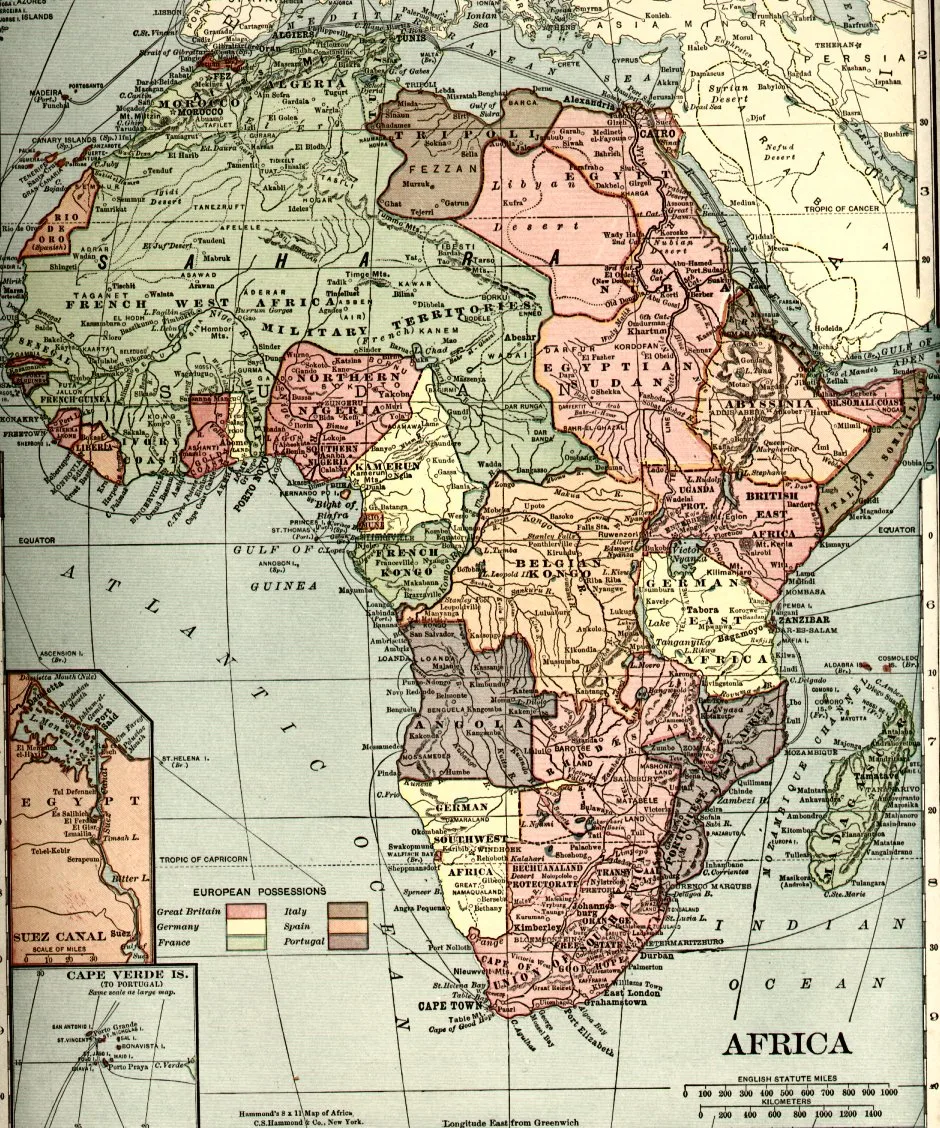
The role of exhibitions in scholarship
Academic work reaches a small audience directly. Exhibitions, films and public programmes extend it, at the cost of simplification. The trade-off is real, and the best such projects acknowledge it by directing visitors toward the fuller work. An exhibition about a multi-volume history is most useful if it sends people to the volumes rather than substituting for them.
The politics of history
Writing a continent’s history is never a neutral act, and the General History of Africa was contested from the start. Debates about sources, interpretation and whose voices are included continue. An exhibition inherits those debates, and how it handles them will be part of what visitors take away. The subject is not only the past but the question of who gets to describe it.
The General History of Africa was assembled by committees of scholars, with volumes published over decades and revised as scholarship advanced. The process involved debate about periodisation, sources and interpretation, and it was not without controversy, including disagreements about the role of external influences. Understanding that history helps explain why the project is significant: it was an attempt to build an authoritative account through collective scholarly work rather than a single author’s synthesis.
The diaspora dimension
Including the African diaspora in the exhibition connects the continent’s history to the experiences of people of African descent elsewhere, from the transatlantic slave trade to contemporary communities. That link is intellectually important and politically charged, because it raises questions about identity, memory and the relationship between Africa and its diaspora. How an exhibition handles those questions shapes the impression it leaves.
What exhibitions can do for scholarship
An exhibition cannot reproduce a multi-volume history, and it can make the work more widely known. It can also fix an interpretation in the public mind, for better or worse, because visitors take away impressions rather than arguments. The best exhibitions of scholarly material acknowledge this by pointing visitors toward the underlying work and by being explicit about what they are selecting and why.
Scholarly projects increasingly exist online as well as in print, and digitisation changes who can use them. Making the General History of Africa accessible digitally would extend its reach to students and researchers without library access, and it would raise questions about rights, translation and curation. How UNESCO handles the digital dimension of this project will shape whether it reaches the audience the exhibition is meant to serve.
The exhibition will be judged on whether it makes a demanding subject approachable without flattening it. That is a hard balance, and the material available, from manuscripts to audio, gives it a reasonable chance. Visitors who leave wanting to read further will be the measure of its success.
This report draws on UNESCO.
Image: Unknown author Unknown author · Public domain · via Wikimedia Commons.