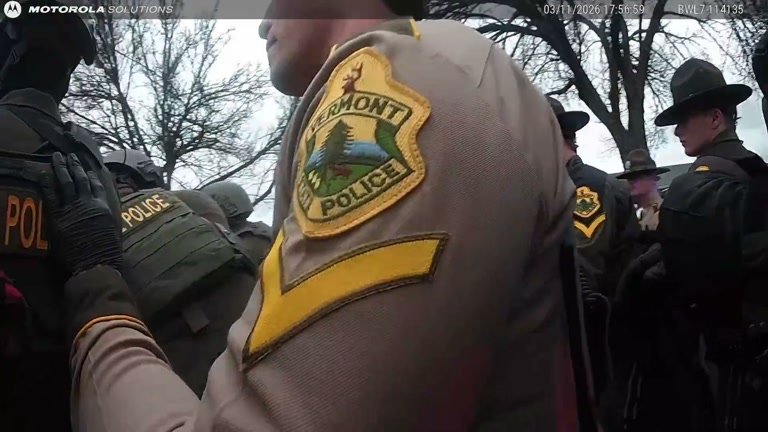
On a grey April afternoon in 2021, a routine traffic stop in Brooklyn Center, Minnesota, spiralled into a moment that would dominate headlines across the world. What began as a simple check over an air freshener and expired tabs escalated into a chaotic scene that left a 20-year-old man fighting for his life. The bodycam footage captures the split-second confusion that changed everything.
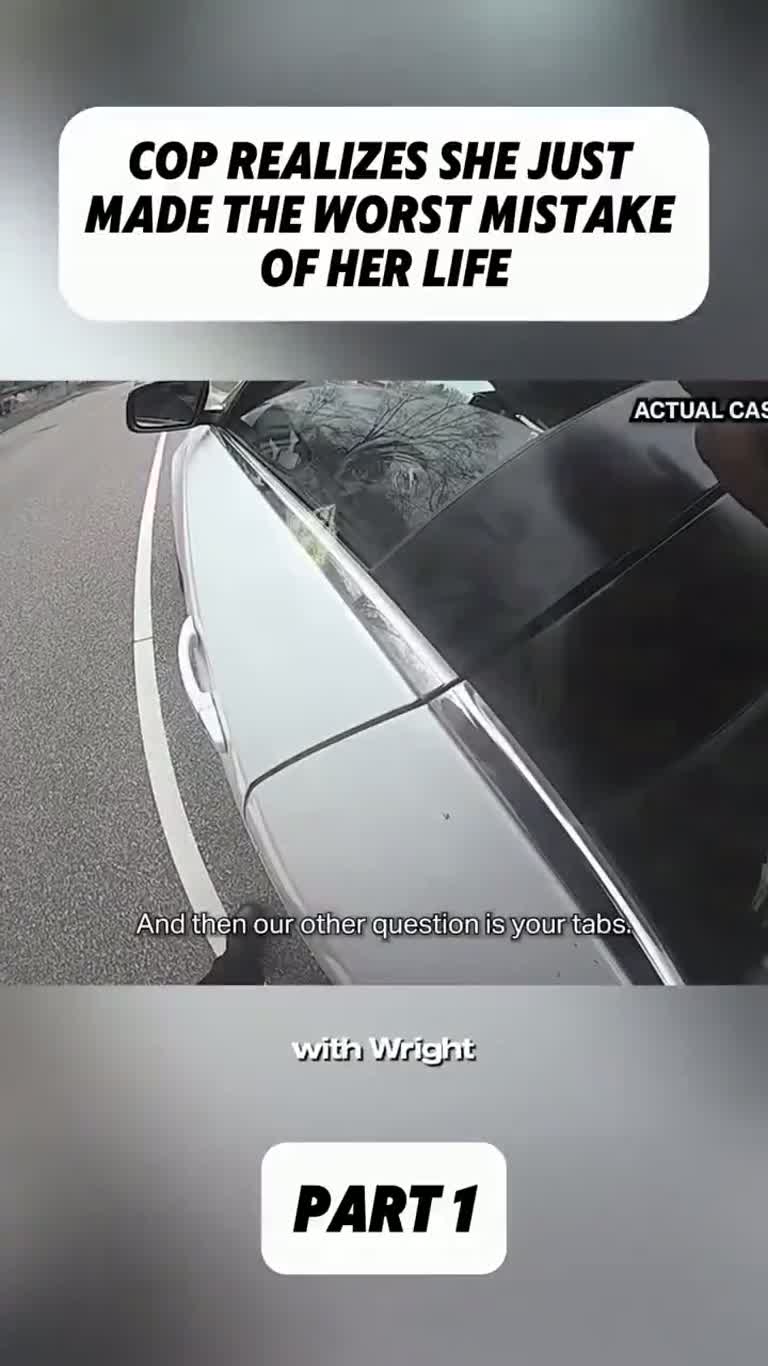
Overview of the incident and the key facts
- The incident occurred on 11 April 2021 in Brooklyn Center, Minnesota.
- Officers stopped a vehicle after noticing expired tabs and an obstruction hanging from the rearview mirror.
- The driver, Daunte Wright, was found to have a suspended licence, an active gross misdemeanour warrant, and an order for protection.
- During the attempted arrest, Officer Kimberly Potter drew her firearm instead of her taser, firing a single shot.
- The encounter was captured on police body camera, showing the immediate aftermath and the officer's realisation.
A routine stop that turned critical
The afternoon of 11 April 2021 began like countless other traffic stops across the United States. In the Minneapolis suburb of Brooklyn Center, a police unit noticed a white Buick with an air freshener dangling from the rearview mirror — an obstruction under Minnesota law — and registration tabs that had lapsed. The officers signalled the driver to pull over, and what followed was, at first, entirely unremarkable. The driver, 20-year-old Daunte Wright, remained polite and cooperative as Officer Anthony Luckey approached the driver's side window. Wright explained he was searching for his insurance documents, and the conversation continued in a calm, everyday tone. For a moment, it seemed like a textbook traffic stop that would end with a citation and a handshake.
But the atmosphere shifted as the officers returned to their patrol car and ran Wright's details through the system. The computer check revealed a suspended licence, an active gross misdemeanour warrant, and an order for protection involving a woman. What had begun as a minor infraction now carried the weight of a criminal record. When the officers walked back to the vehicle, their posture changed. They asked Wright to step out of the car. The bodycam footage shows Wright complying initially, but then a struggle began as officers attempted to handcuff him. It was in that moment of confusion and resistance that the situation crossed a line no one could have predicted.
The audio captures the sudden panic. "I just shot him," a voice exclaims, followed by the anguished cry of the driver. Officer Kimberly Potter, a veteran with more than two decades on the force, had reached for her service weapon instead of her taser. The single gunshot echoed through the quiet street. Wright managed to get back into his car and drive away, but he crashed a short distance later. Despite immediate medical attention, he was pronounced dead at the scene. The traffic stop had ended in tragedy, and the bodycam footage would become the centrepiece of a national debate.
The legal and financial aftershocks
The death of Daunte Wright triggered immediate protests in Brooklyn Center and across the Twin Cities, with crowds gathering outside the police station in defiance of a curfew. The officer involved, Kimberly Potter, was arrested and charged with second-degree manslaughter. The case became a flashpoint for conversations about police training, the use of force, and the distinction between lethal and non-lethal options. For the Wright family, the loss was immeasurable, and their pursuit of justice became a public battle that drew international attention. The footage, released just days after the shooting, fuelled outrage and demands for accountability.
From an insurance perspective, the incident raises profound questions about liability and compensation. When a death occurs at the hands of a public official, the financial consequences ripple far beyond the immediate family. In the United States, police departments are typically covered by municipal liability insurance or self-insurance funds, which handle claims arising from wrongful acts. However, the specific circumstances — a fatal shooting during a traffic stop — fall into a complex legal territory where civil rights claims and wrongful death suits intersect. The Wright family filed a civil lawsuit against the city and the officers involved, seeking damages for their loss. Such cases often hinge on whether the officer's actions constituted negligence or a violation of constitutional rights.
The financial settlement, if one is reached, would likely be paid from public funds rather than the officer's personal insurance. This is a crucial distinction for readers in the UK, where police forces operate under a similar principle of vicarious liability, but the legal frameworks differ significantly. In the UK, claims against the police are handled through the force's insurance arrangements, and the Crown Prosecution Service oversees criminal charges. The Wright case highlighted how quickly a routine encounter can escalate, and how the financial burden ultimately falls on taxpayers when public servants are involved.
Insurance implications for drivers and families
For ordinary drivers, the incident underscores the importance of understanding what car insurance actually covers. Daunte Wright was driving a vehicle with expired tabs and a suspended licence — factors that would typically void coverage in the event of an accident. In the US, most states require drivers to carry minimum liability insurance, but driving without a valid licence can lead to a claim being denied. In the UK, the situation is similar: driving without a valid licence or with expired road tax (the equivalent of tabs) invalidates most policies, leaving the driver personally liable for any damage or injury caused. This is a sobering reminder that administrative oversights can have devastating financial consequences.
Beyond the driver, the incident raises questions about homeowners and life insurance. The Wright family's loss was sudden and violent, and while life insurance policies often exclude certain causes of death, the circumstances here would likely be covered under a standard term policy unless suicide or criminal activity was involved. For families in the UK, similar rules apply: life insurance payouts typically proceed unless the death resulted from an excluded event. However, the civil lawsuit against the city is separate from any personal insurance claim, and the compensation sought would be for the loss of a son, not for the vehicle itself. The car, which crashed after the shooting, would be a total loss, but with no valid insurance, the family would not receive a payout for the vehicle's value.
The broader insurance angle extends to police liability coverage. Municipalities in the US often carry large liability policies to protect against civil rights claims, and these policies are funded by taxpayer dollars. When a settlement is reached, it is the public that ultimately pays. In the UK, police forces are similarly covered by insurance arrangements managed by the Home Office and local authorities. This means that while the officer may face criminal charges, the financial compensation for the victim's family comes from a collective pool, not from the officer's personal assets. Understanding this distinction is vital for anyone trying to make sense of the financial aftermath of such tragedies.
The role of body cameras and evidence
The bodycam footage in this case became the most critical piece of evidence. It captured the entire encounter, from the initial conversation to the moment of the shooting and the chaotic aftermath. Without it, the details of what happened inside that car might have remained disputed. The footage shows Officer Potter's realisation, her cry of "I just shot him," and the immediate response from her colleagues. It also shows Wright's attempts to comply and then flee, providing a complete picture of the escalation. For insurance companies and legal teams, such footage is invaluable in determining liability and assessing claims. In the UK, body-worn cameras are increasingly common, and their footage is used in similar ways to resolve disputes and inform investigations.
The presence of the camera also raises questions about privacy and consent. In both the US and UK, bodycam footage is generally considered a public record, though redactions may be made to protect identities. In this case, the footage was released to the public, amplifying its impact and fuelling the protests. For insurance purposes, the footage helps establish a timeline and clarify actions, which can speed up or complicate claims. If a claim is made against the police department, the footage will be scrutinised by lawyers and insurers to determine whether the officer's actions were within policy. This case demonstrates how technology can both hold authorities accountable and provide a factual basis for financial settlements.
The aftermath and ongoing debate
The shooting of Daunte Wright sparked a nationwide conversation about police reform, with calls for changes to training and the use of force. In December 2021, Kimberly Potter was convicted of first-degree and second-degree manslaughter and sentenced to two years in prison. The trial was closely watched, and the verdict brought a measure of closure to the Wright family, though the pain remains. The city of Brooklyn Center agreed to a settlement with the Wright family, though the exact amount was not immediately disclosed. For the insurance industry, the case serves as a reminder of the potential liabilities faced by public entities and the importance of comprehensive coverage.
For individuals, the incident highlights the need for valid insurance and up-to-date documentation. Driving with expired tabs or a suspended licence is not just a legal issue; it can void your insurance and leave you financially exposed. In the UK, the equivalent would be driving without tax or a valid MOT, which can result in fines and invalidate your policy. The Wright case also underscores the value of life insurance and the importance of understanding what your policy covers. While no amount of money can replace a life, insurance can provide a financial safety net for families in the wake of a tragedy. As the debate over policing continues, the financial implications for victims and taxpayers remain a central, often overlooked, part of the story.
| Incident parameter | Logged / on-scene information |
|---|---|
| Location | Brooklyn Center, Minnesota, USA |
| Date | 11 April 2021 |
| Time of day | Afternoon |
| Driver | Daunte Wright, aged 20 |
| Officer | Kimberly Potter |
| Reason for stop | Expired tabs and obstruction (air freshener) |
| Outcome | Fatal shooting; officer convicted of manslaughter |
Important note: Some details regarding the civil settlement and insurance payouts remain unverified, as official figures have not been publicly confirmed.
Core questions still unanswered
- Should police departments be required to carry larger liability insurance policies to cover civil rights claims?
- How can drivers protect themselves financially when a routine traffic stop escalates into a tragedy?
- Does the availability of bodycam footage make it easier or harder for insurance companies to settle claims fairly?
Learn more: Daytona Beach Arrest: Driver Refuses Sobriety Test
🎥 Watch the video at the bottom of the page 👇
This story was edited from a publicly posted video; some details may not be independently verified.