Industrial policy has returned to fashion, and the European Commission’s technology package announced on 7 September is an example. It outlines measures intended to strengthen capacity in semiconductors, AI, cloud services and open source, referring to an update of the Chips Act and a cloud and AI development effort as part of a wider resilience agenda. The language of resilience is deliberate: it frames the package as a response to dependence rather than as a plan for growth alone.
What the package contains
The announcement refers to several strands: an update to the Chips Act, measures on cloud and AI development, and an open-source strategy. These are policy directions rather than a single law. The details will appear in legislative texts, funding decisions and national implementation plans, and the substance is in those documents rather than in the announcement.
Why semiconductors are the centrepiece
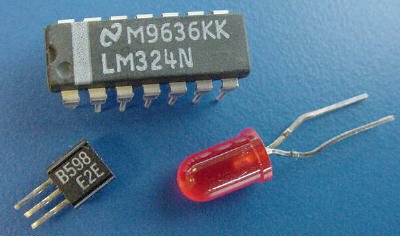
Advanced chips are the most concentrated part of the digital supply chain, with a small number of firms and regions dominating design and manufacturing. That concentration creates vulnerability to disruption, export controls and geopolitical tension. The Chips Act was designed to attract manufacturing to Europe, and the update reflects the view that the first effort was insufficient.
The cloud and AI strand
Cloud services and AI models are dominated by a few non-European providers, and European policymakers have expressed concern about dependence on them. The package’s cloud and AI measures aim to support European capacity, which is difficult because the market rewards scale and the incumbents are well established. Public procurement, standards and funding can help, and they cannot quickly create competitors to global platforms.
Open-source software is a distinctive element of the package, because it offers a route to capability that does not depend on a single vendor. European public administrations already rely heavily on open-source components, often without recognising the extent. A strategy that supports maintenance, security and contribution to open-source projects addresses a real dependency, and it requires sustained funding rather than declarations.
Industrial policy and its limits
Industrial policy can shape incentives, standards and investment, and it does not turn plans into working infrastructure without implementation. The history of such efforts includes successes and expensive failures, and the outcomes depend on execution, market conditions and whether the targeted technologies remain relevant. Announcing a package is the easy part.
What the announcement does not establish
The announcement does not establish new production capacity or remove dependencies. Legislation, funding and delivery remain decisive, and the timeline for any of these is measured in years. Readers should treat the package as a statement of intent and watch for the documents that follow.
The legislative texts, funding details and national implementation plans are the next useful evidence. So are the decisions of companies: whether firms choose to build facilities, hire staff and locate research in Europe depends on factors the package can influence and cannot control.
How other regions respond
Europe is not alone in pursuing technological sovereignty. The United States, China, India, Japan and others have programmes to support semiconductor manufacturing, AI development and digital infrastructure. The result is a competitive landscape in which subsidies and incentives are offered by multiple governments for the same projects. This can raise costs and create windfalls for companies that play jurisdictions against each other.
The skills bottleneck
Capacity in chips, cloud and AI depends on people with specialised skills, and those people are scarce. Building fabrication plants or data centres without the engineers to run them produces underused assets. Education and immigration policy therefore shape what industrial policy can achieve, and they operate on longer timelines than funding announcements.
Open-source software is widely used and often under-maintained, with critical components supported by a handful of volunteers or small foundations. A strategy that recognises open source as strategic infrastructure has to address maintenance and security, not only adoption. Funding maintainers, supporting audits and contributing code are the practical measures, and they are less visible than launching a programme.
The standards angle
Industrial policy is often expressed through funding, and standards can be equally influential. Technical standards determine interoperability, security requirements and which products can be sold. European influence in standards bodies is a form of soft power, and it is contested by other economies with different preferences. A technology package that addresses standards alongside funding is engaging with a less visible but consequential lever.
What will determine the package’s effect is not the breadth of its ambitions but the depth of its funding and the discipline of its implementation. Industrial policy has a long record of announcing more than it delivers, and the documents that follow will show whether this effort is different.
The competitive context
European firms compete globally, and the package is partly a response to the scale advantages of American and Asian companies. European cloud and AI providers are smaller, and the largest models are developed elsewhere. Support can help European companies reach the scale needed to compete, and it can also subsidise firms that would struggle regardless. The record of European industrial policy includes both successful champions and costly disappointments, and the outcome here is uncertain.
Success would be measurable: more advanced manufacturing capacity in Europe, more European firms using AI and cloud services, a healthier open-source ecosystem, and a reduced dependence on a handful of suppliers. Each of those is a multi-year indicator. Announcements are not evidence of progress, and the honest assessment will come from data on capacity, adoption and trade in technology goods and services.
This report draws on European Commission.
Image: Wikimedia Commons · Public domain · via Wikimedia Commons.