On 5 September, Isar Aerospace’s Spectrum rocket reached orbit from Andoya in Norway. The European Space Agency described it as the first orbital launch from continental Europe, and the mission carried six CubeSats and an experiment. The milestone is real, and its significance depends on where you place it in the longer story of European launch capability.
Orbit on the second attempt
Spectrum’s first flight in 2025 lasted about 30 seconds before the vehicle was lost. Reaching orbit on the second flight is therefore a substantial change in demonstrated capability, not simply another attempt. In rocketry, the transition from a brief test to a successful orbital insertion is the hard part, and few vehicles make it on their first or second try.
Why launching from Europe matters
Europe has historically depended on launch sites outside the continent, notably Kourou in French Guiana. Having a launch capability on European soil has been a policy goal for years, driven by a desire for autonomy and by the practical advantage of launching from a range of latitudes. Andoya, in the far north, offers a high-latitude site suited to certain orbits, including some polar and sun-synchronous missions.
The company and the programme
Isar Aerospace is a German company, and it participates in ESA initiatives supporting European launch services. Those programmes are designed to nurture commercial providers that can serve institutional and commercial customers. The model mirrors developments in the United States, where private companies now handle much of the launch market.
A successful flight establishes that the vehicle can reach orbit. A dependable service requires repeat performance, predictable scheduling and demonstrated reliability across many launches. Customers deciding where to place expensive spacecraft care about that record, not a single success. The commercial test continues after the milestone.
Payload capability versus actual payload
Spectrum’s advertised payload capability should be distinguished from what it carried on this mission. Early flights often carry small, low-risk payloads or demonstrations, both to reduce consequence of failure and to serve the purpose of the test itself. The advertised figure describes what the rocket is designed to lift, not what it lifted on 5 September.
Why small launchers matter
Small satellites need small rockets, and until recently the market was dominated by rideshare arrangements that forced operators to accept someone else’s schedule and orbit. Dedicated small launchers offer flexibility, at a higher cost per kilogram. Whether that trade-off attracts enough customers is the commercial question the sector is still answering.
European launch startups are competing with established US providers and with emerging competitors elsewhere. Success requires not only reliable rockets but competitive pricing, launch cadence and customer service. The Norwegian launch is a necessary step, and it is one among many that the sector will need to take.
The Andoya site
Andoya Space, in northern Norway, has been developed as a launch site suited to small vehicles and high-inclination orbits. Its latitude is an advantage for certain missions and a limitation for others, and its remote location reduces the risk to populated areas. Building a launch range involves more than a pad: it requires tracking, safety systems, range clearance and the infrastructure to integrate payloads. The Norwegian site represents years of investment in that ecosystem.
What ESA wants from launch startups
Europe’s space agency has supported commercial launch providers partly to reduce dependence on non-European rockets and partly to create a competitive market. The goal is a set of companies that can serve institutional and commercial customers reliably, rather than a single national champion. That is a long-term bet, and it requires patience through the failures that inevitably accompany rocket development.
Between a first orbital success and a dependable service lie dozens of launches, each carrying the risk of failure and the cost of preparation. Companies must demonstrate cadence, manage supply chains and attract customers who are willing to entrust them with valuable payloads. The Norwegian launch is a genuine milestone, and it is early in that longer process.
The wider European launch picture
Isar is not the only European company working on small launch vehicles, and several other efforts are at various stages of development. The sector has seen both progress and failure, which is characteristic of rocket development. Europe’s institutional demand for launch is significant, and the question is whether domestic providers can capture enough of it to become viable. The Norwegian launch is a data point in that longer argument, and a promising one.
For now, the fair summary is this: a European company reached orbit from European soil, on its second attempt, with a small payload. It is a milestone worth noting and not a conclusion. The years ahead will show whether it becomes routine.
This report draws on European Space Agency.
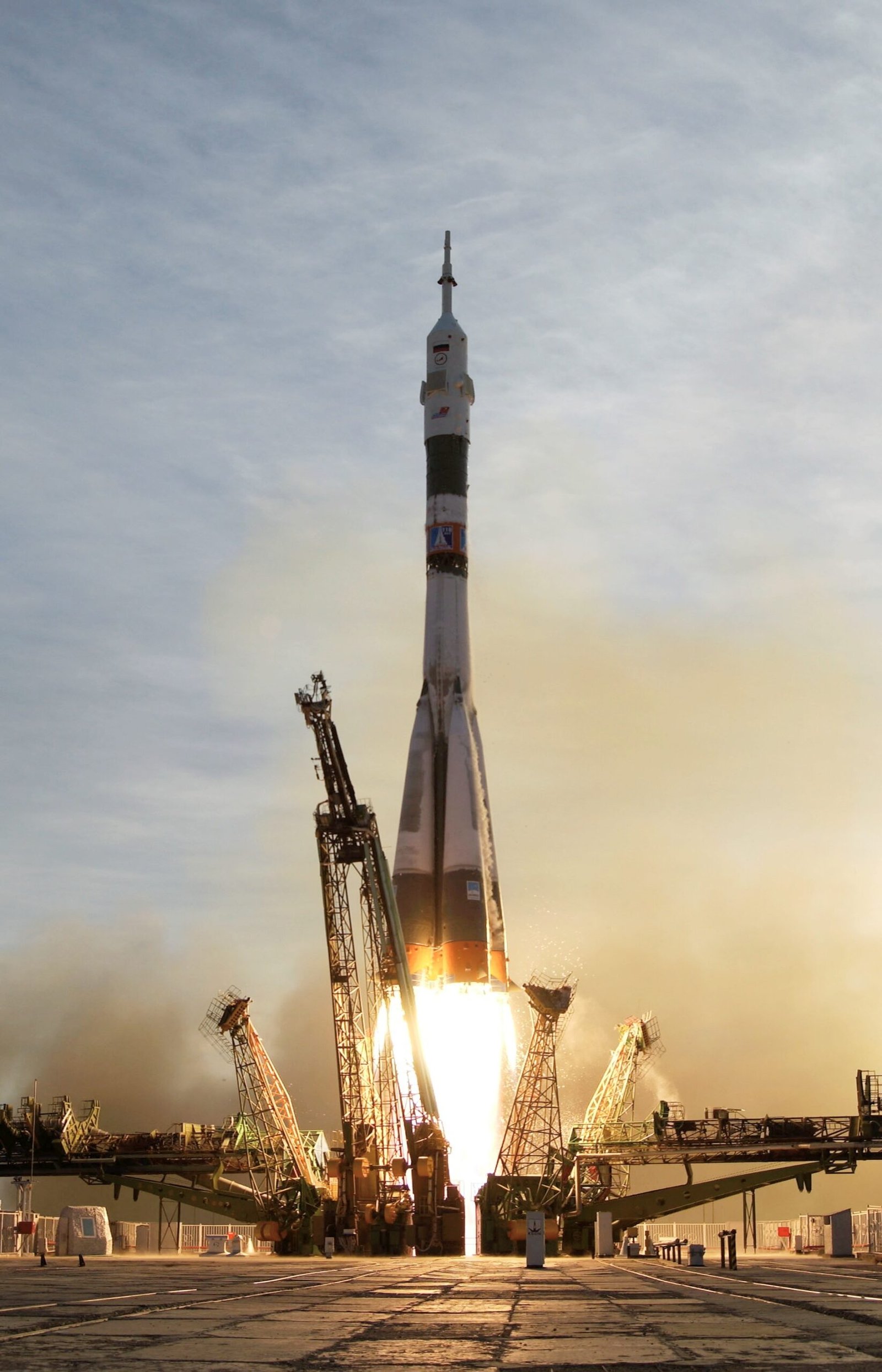
Image: Bill Ingalls · Public domain · via Wikimedia Commons.