Digital payments are often described as a technology problem, and the harder obstacle is often risk. On 10 September, the World Bank Group announced that the International Finance Corporation would lead a risk-sharing initiative intended to help financial institutions expand digital payments in emerging markets, with initial guarantees of up to 700 million dollars covering part of credit-settlement risk.
The mechanism is worth understanding, because guarantees are a specific tool with specific limits.
What settlement risk is
When a payment moves between institutions, there is a moment when one party has paid and the other has not yet received. That gap is settlement risk, and if a participant fails during it, the loss can be significant. In emerging markets, where institutions are smaller and capital is scarcer, settlement risk can make banks reluctant to participate in payment networks at all.
How a guarantee helps
A guarantee covers part of the potential loss, which reduces the capital a bank must hold against the risk. Lower risk means more willingness to connect, which can expand the network. This is a financial intervention aimed at a behavioural problem: institutions that would otherwise stay out because the downside is too large relative to their balance sheets.

What a guarantee does not solve
Payment systems depend on more than risk-sharing. Access, affordability, consumer protection, network coverage and the quality of the underlying infrastructure all matter. A guarantee addresses one constraint, and programmes that treat it as the only one tend to disappoint. The initiative’s success will depend on whether other barriers are also addressed.
The IFC is the World Bank Group’s private-sector arm, and it uses financial instruments to mobilise private capital in developing countries. Guarantees are one such instrument. The involvement of a multilateral institution also provides a signal of credibility that can encourage other participants, which is part of the intended effect.
The projected figures
Projected numbers of cards, users and payments are expectations from the initiative, not confirmed outcomes. Such projections are typically modelled from assumptions about adoption and transaction volumes, and they are useful as targets rather than as forecasts. The evidence will accumulate through implementation agreements and data on participating institutions.
The inclusion question
Expanding digital payments can widen access to financial services, and it can also create new forms of exclusion for people without identity documents, phones or connectivity. The design of the products determines which effect dominates. Programmes that address payment access without addressing identity and connectivity often reach the same people who already had access.
Implementation agreements and data on participating institutions will show the initiative’s reach. The useful indicators are the number of institutions that actually connect, the volume and value of payments processed, and whether services reach customers who were previously unbanked. Those are the measures of whether a guarantee translated into access.
The mobile money comparison
Some emerging markets have expanded financial access rapidly through mobile money, which bypasses traditional banking infrastructure. The model depends on telecom networks, agent networks and regulatory permission, and it has succeeded where banks were absent. The IFC initiative focuses on institutions and payment networks, which is a different approach. Which works better depends on local conditions, and the two can complement each other.
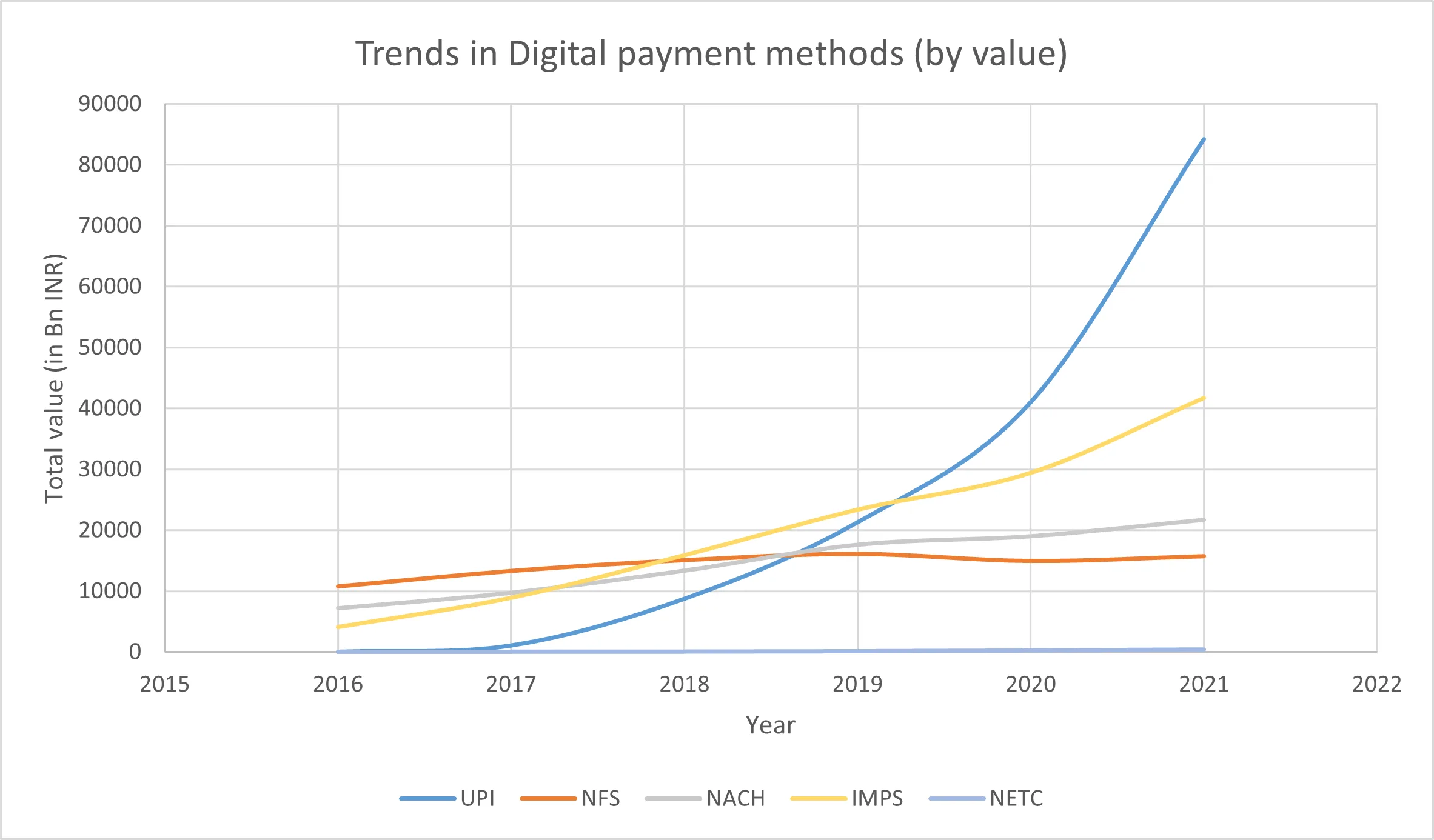
How guarantees are priced
A guarantee is not free money; it is a contingent liability, and the institution providing it must assess the probability of loss and charge accordingly. Pricing reflects risk, and the terms determine whether participating banks find the arrangement attractive. If the guarantee is too expensive, banks will not use it; if it is too cheap, the provider absorbs risk without changing behaviour. Getting the price right is the technical core of the initiative.
Digital payments raise questions about fraud, dispute resolution and data protection, and regulatory frameworks in emerging markets vary widely. A payment system that expands without adequate consumer protection can expose users to losses they cannot recover. The initiative’s focus on settlement risk addresses institutional risk and leaves consumer risk to other mechanisms, which is a gap worth watching.
The regulatory sandbox approach
Some countries have used regulatory sandboxes to let payment providers test products under supervision before full licensing. The approach can accelerate innovation while maintaining oversight, and it depends on regulators having the capacity to supervise. Where capacity is thin, sandboxes can become a formality. The design of the regulatory environment determines whether new payment services can scale beyond pilot projects.
Why settlement risk is an institutional problem
Settlement risk is a problem for the institutions that intermediate payments, not for customers in normal times. When a bank is small and thinly capitalised, a single failed settlement can threaten its viability, which makes it cautious about joining networks. Guarantees address that caution directly, and the effect is to widen participation rather than to lower costs for consumers. Whether lower costs follow depends on competition among the participating institutions.
When a multilateral institution backs an initiative, it signals to private participants that the risk is shared and that the arrangement has been assessed by a credible body. That signal can mobilise capital beyond the guarantee itself. The mechanism is partly financial and partly psychological, and it is a recurring feature of how development finance operates in markets where confidence is scarce.
This report draws on World Bank Group.
Image: NinetyIXIMDB · CC0 · via Wikimedia Commons.