Few prices move as dramatically as the cost of shipping a container. In some periods a box crosses an ocean for a few hundred dollars; in others the same route costs several times more. The swings are not a market malfunction. They reflect a system with fixed capacity, volatile demand and routes that can be disrupted by events far from any port.
What determines the price
Freight rates are set by supply and demand in a market with limited short-term flexibility. Ships take years to build, and capacity cannot be added when demand spikes. When demand rises faster than capacity, rates climb steeply; when it falls, rates can collapse. The result is a price that overshoots in both directions.
Why capacity is inflexible
A container ship is a large, long-lived asset. Ordering one commits a company for decades, and shipyards have limited slots. That means the industry cannot respond quickly to a surge, and it cannot easily shrink when demand drops. Idle ships still cost money to maintain and crew, which shapes how operators respond to a slump.
The role of alliances
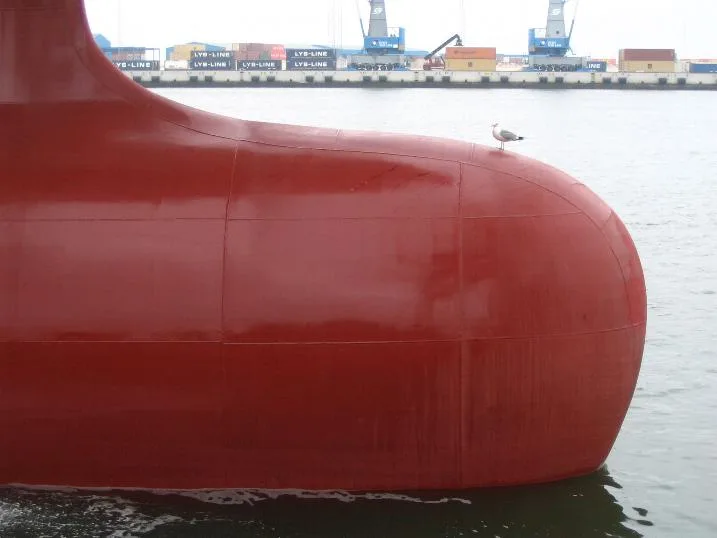
Major carriers cooperate through alliances that share vessels and coordinate schedules. Alliances can improve efficiency and reduce costs, and they also concentrate capacity in a few hands, which affects competition. Regulators scrutinise these arrangements, because a market with a handful of large players can behave differently from a competitive one.
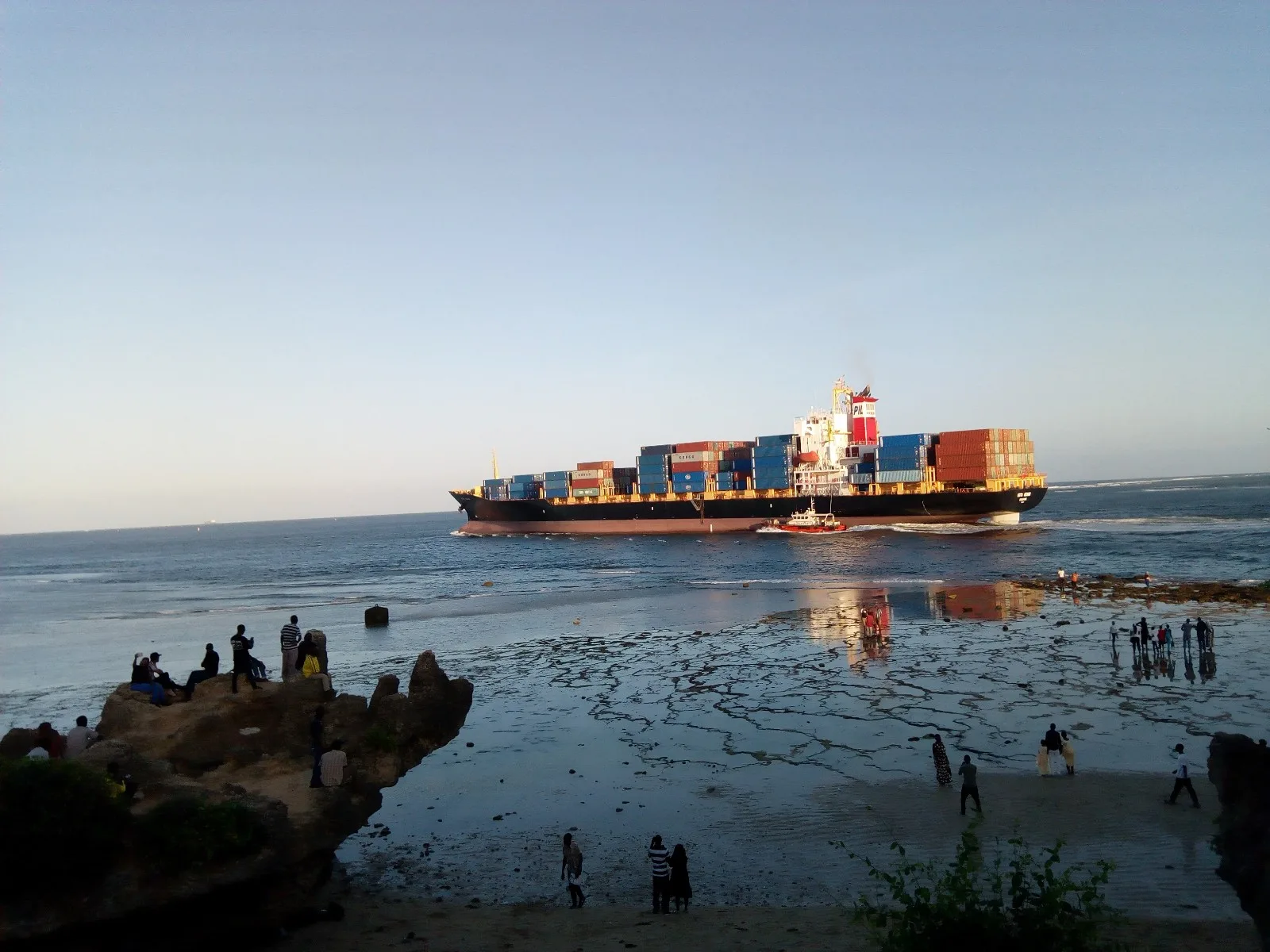
When a route is disrupted, whether by conflict, congestion or weather, ships reroute. Longer voyages absorb capacity, because the same ship carries fewer containers per year. That reduction in effective capacity raises rates everywhere, not only on the affected route. This is why a disruption in one region can raise prices on the other side of the world.
Seasonality and demand shocks
Freight demand follows the calendar of manufacturing and retail, with peaks before major shopping seasons. It also follows the business cycle. A surge in imports or a sudden shift in inventories can move rates quickly, and the effect is amplified by the fact that shippers order in advance and then cancel, adding noise to the signal.
Who bears the cost
Freight costs are ultimately paid by consumers, though the chain is long. Carriers, freight forwarders, importers and retailers each absorb or pass on part of a rate change, and contracts determine who is exposed. Large shippers often lock in rates, while smaller ones pay spot prices and are more vulnerable to spikes.
Volatility is inherent to a capital-intensive industry with lumpy demand. Building more ships would reduce shortages during peaks and worsen oversupply during troughs. Digital platforms improve price transparency, and they do not change the underlying physics of ships and routes. Some volatility is the price of a global trading system.
Indicators to follow
Watch new vessel orders, port congestion indicators, and the rates on major routes. Those give a sense of whether capacity is tightening or loosening. For businesses, the practical lesson is to treat freight as a risk to be managed, with contracts and alternatives, rather than a cost that can be assumed stable.
The role of contracts and hedging
Large shippers manage freight volatility with contracts that fix rates for a period, often in exchange for volume commitments. Smaller businesses buy on the spot market and absorb the swings. Freight derivatives allow some participants to hedge, and they are used mainly by large players with the expertise and credit to do so. The result is that volatility is distributed unevenly, with the smallest firms least able to protect themselves.
Online freight marketplaces have made prices more visible and bookings easier, which helps smaller shippers compare options. Transparency reduces the information advantage of intermediaries, and it does not remove the underlying volatility. Platforms also collect data that can inform forecasting, which is useful at the margin.
The environmental overlay
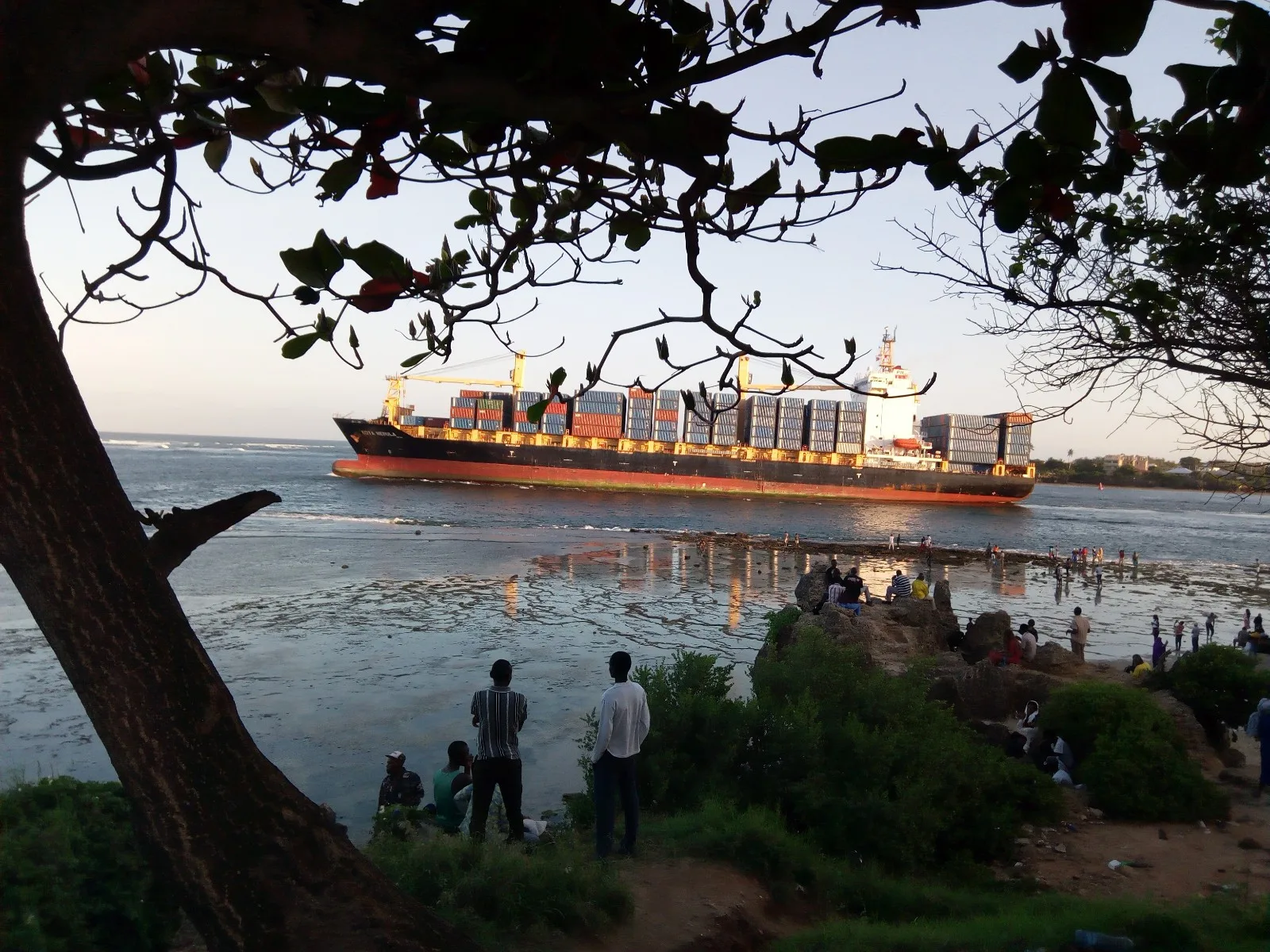
Shipping faces pressure to reduce emissions, through fuel standards, efficiency measures and eventually alternative fuels. Those changes add cost and uncertainty, and they interact with capacity: a fleet mid-transition may be less flexible. The environmental agenda is now part of the commercial picture, not separate from it.
What the rate swings mean for supply chains
Volatile freight costs make planning harder. A business that cannot predict shipping costs cannot predict landed costs, which affects pricing, inventory and contracts. Firms respond by holding more stock, diversifying suppliers or shifting to shorter routes, and each response has its own cost. Volatility therefore has a real economic effect beyond the freight bill itself, and it shapes where production is located.
Freight rates have always been cyclical, and the industry has survived repeated booms and busts. What has changed is the speed of information and the scale of the largest carriers. Rates now move faster and further, and the consequences propagate through supply chains more quickly than they once did. The fundamentals of ships, routes and demand have not changed as much as the visibility of the swings.
This report draws on UNCTAD and International Maritime Organization (IMO).
Image: Downtowngal · CC BY-SA 4.0 · via Wikimedia Commons.