In a disaster, the binding constraint is often not food but the ability to move it. On 4 September, the World Food Programme said it had scaled up assistance and logistics support in Nepal after floods and landslides damaged infrastructure, leaving some communities isolated. The update describes food assistance and delivery support, and it is an operational report rather than a complete assessment of every affected area.
What happened
Nepal experiences landslides and floods during the monsoon, and infrastructure in mountainous regions is vulnerable. When roads and bridges are damaged, communities can be cut off from markets and services, and supplies must be moved by alternative means, including air. The geography makes every delivery a logistics problem.
Why logistics dominates the response
Relief supplies may be available and still fail to reach people if roads are impassable. Helicopters, porters, mules and temporary tracks become the delivery system. Coordination among agencies, local government and communities determines whether the system works. Logistics is the least visible and most decisive part of a mountain emergency response.
The role of local responders
In the first days after a disaster, local people and organisations are the first responders, and they often know where the need is greatest. External agencies depend on that local knowledge to target assistance. The relationship between local and international responders shapes the speed and accuracy of the response.
The report does not establish that all needs have been met or forecast how long isolation will continue. It describes an operational scale-up. Later situation reports and local updates will clarify reach and remaining gaps, and they are the sources to consult for a fuller picture.
The recovery timeline
Emergency assistance addresses immediate needs, and recovery takes much longer. Roads must be rebuilt, fields cleared and livelihoods restored, and the monsoon cycle limits the working season. The transition from relief to recovery is often where support falters, because funding and attention shift to the next crisis.
Why Nepal is exposed
Nepal’s mountainous terrain, seismic activity and monsoon climate make it prone to multiple hazards, and climate change is altering rainfall patterns. The country has developed experience in disaster response, and the scale of need regularly exceeds capacity. International support supplements domestic efforts, and it depends on the same logistical constraints.
Later situation reports and local updates will clarify reach and remaining gaps. The questions worth following are whether isolated communities are reached, whether recovery funding materialises and whether infrastructure is rebuilt to withstand future events. Those are the measures of whether the response addressed the underlying vulnerability.
The role of the army and helicopters
In mountainous emergencies, military and civil aviation often provide the only means of reaching isolated communities. Helicopters can deliver supplies and evacuate casualties, and they are expensive and weather-dependent. Coordination of air operations is a specialist task, and it determines how quickly and safely deliveries happen.
How needs are assessed
Rapid assessments combine aerial surveys, satellite imagery, local reports and field visits to estimate who needs what. Inaccessibility makes assessment difficult, and estimates are revised as access improves. Targeting assistance accurately in a mountain emergency is one of the harder operational challenges.
Changing rainfall patterns and glacier retreat are altering the hazards Nepal faces, increasing the risk of landslides and glacial lake outburst floods. Disaster response addresses the immediate event, and adaptation addresses the underlying trend. Both are necessary, and they are funded and managed separately, which creates gaps.
The role of remittances
In many disasters, remittances from family members abroad reach affected households faster than formal assistance. Migrant workers send money through established channels, and those flows can be significant. They are private transfers rather than aid, and they complement official assistance. Policies that make remittances easier and cheaper strengthen this informal safety net.
Why infrastructure matters for recovery
Roads, bridges and trails are the difference between isolation and access, and rebuilding them is a precondition for recovery. In mountain regions, engineering solutions must account for slope stability and future hazards. Reconstruction that ignores those factors can be destroyed by the next monsoon, which is why building back better is a principle rather than a slogan.
For the affected communities, the response will be judged by whether they were reached in time and whether recovery support continues after the emergency phase. The logistics achievements that make headlines during a response are only the beginning; the quieter work of rebuilding is what determines whether the next monsoon is a disaster or an inconvenience.
The response also depends on information reaching affected people, so that they know where to seek help and how. Communication is a form of logistics in its own right, and it is often the weakest link in a mountain emergency.
This report draws on World Food Programme.
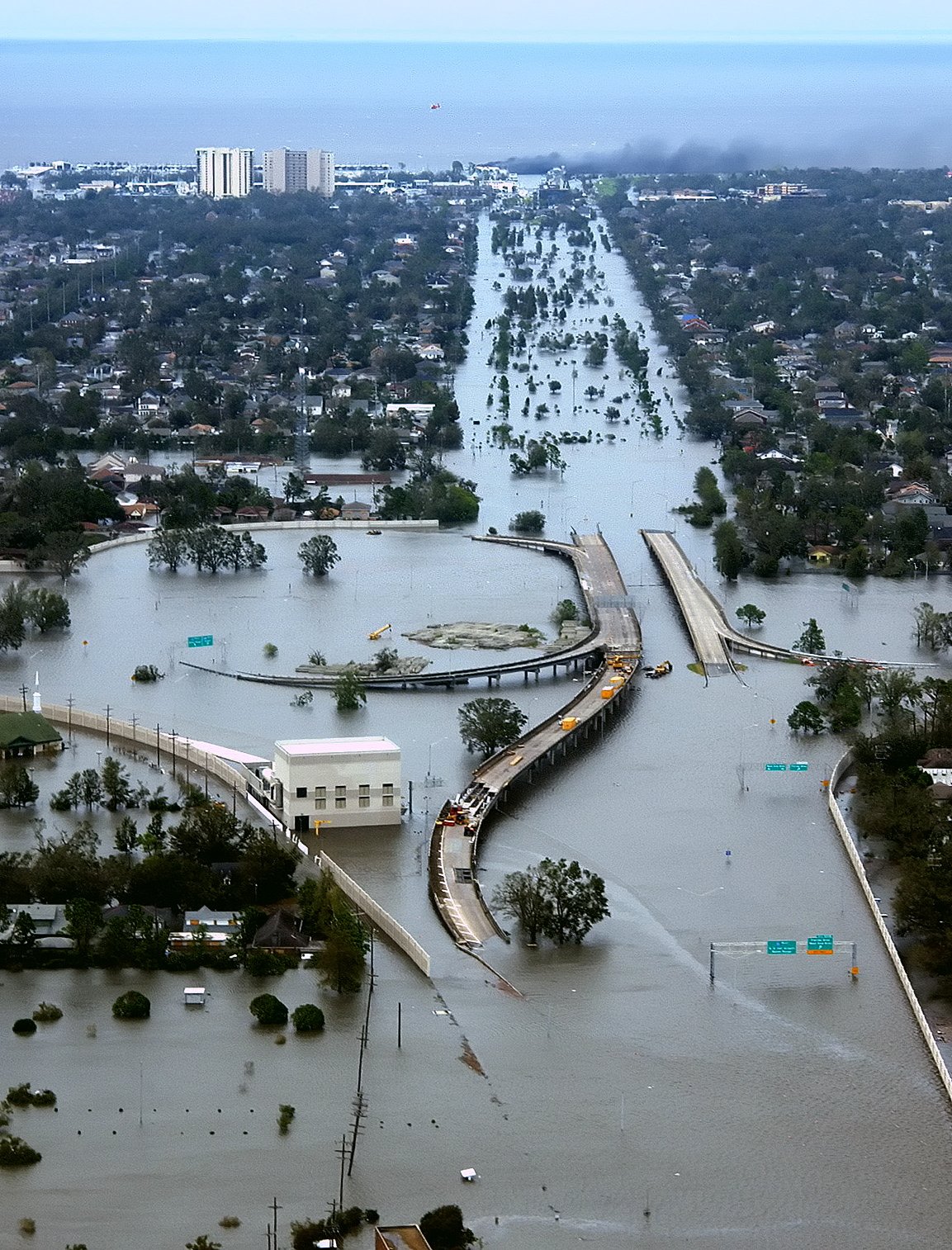
Image: Landsat 9 via USGS, processed by User:Chorchapu · Public domain · via Wikimedia Commons.