A confrontation between two young people that began as a war of words on a residential street escalated dramatically when one party allegedly followed the other to his home. Footage circulating online shows the moment the situation boiled over, leaving a community asking how a simple exchange of taunts could spiral so quickly out of control. The incident has sparked a wider debate about youth conflict, personal safety, and the legal boundaries of self-defence.
Overview of the incident and the key facts
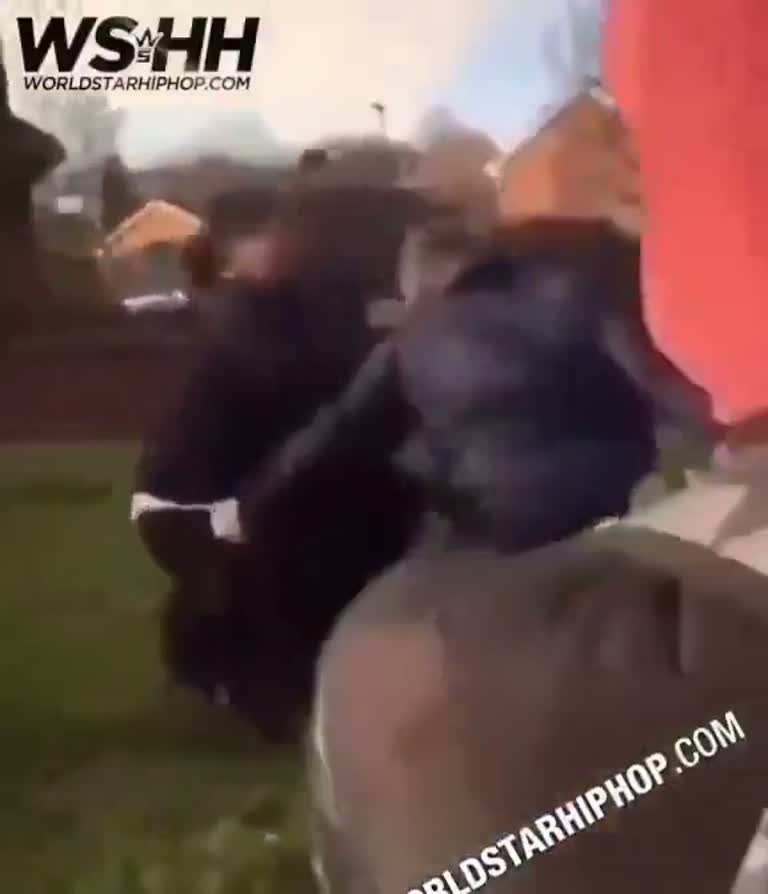
- The video captures a verbal altercation between two young people that escalates into a physical struggle near a residential property.
- According to the original video description, a girl repeatedly taunted a boy and followed him to his house before the situation turned physical.
- The audio transcript reveals a chaotic exchange with multiple voices, including someone asking why the girl is "bugging" the boy and references to her being made fun of.
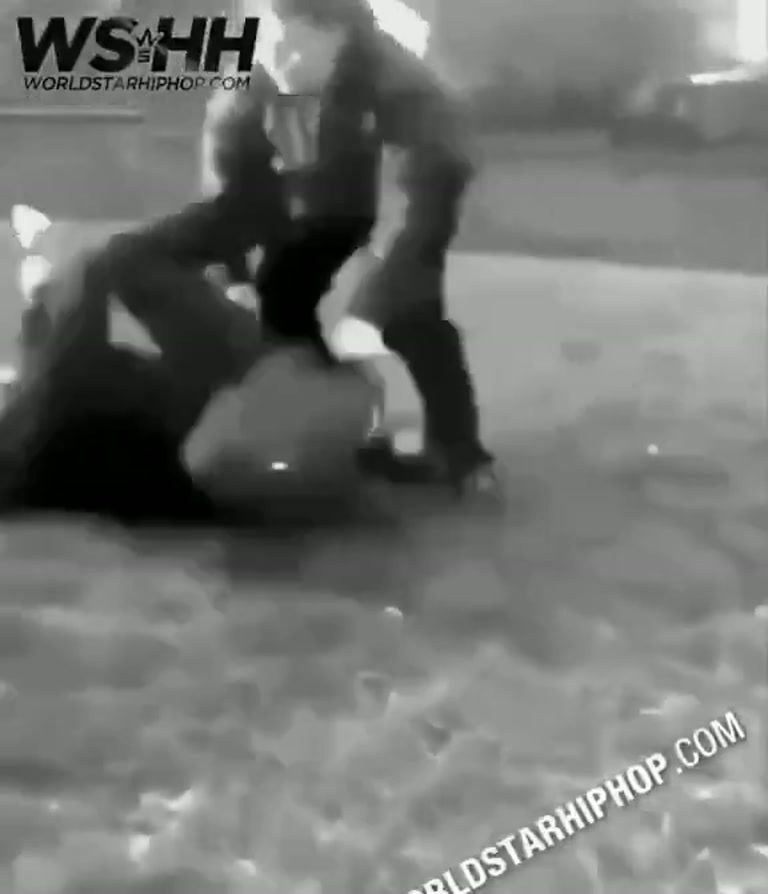
- The footage shows the physical altercation spilling onto the grass, with the two individuals ending up on the ground as the confrontation reaches its peak.
- No official report or police statement has been confirmed, and the exact location and identities of those involved remain unverified.
The footage opens on what appears to be an ordinary residential street, the kind of quiet cul-de-sac where children play and neighbours wave. But the atmosphere quickly shifts as a verbal confrontation between two young people draws attention. A girl is seen taunting a boy, her words carrying across the pavement as he tries to walk away. Instead of letting the matter drop, she reportedly follows him, closing the distance until the pair reach the vicinity of his home.
The audio captured in the clip paints a picture of mounting tension. Voices overlap, with one person asking why she is "bugging" him, while another suggests she is retaliating because he made fun of her. The exchange is rapid and heated, the kind of argument that in most circumstances would fizzle out. But here, the persistence of one party turns a fleeting spat into something far more serious.
As the camera continues to roll, the confrontation moves from words to action. The boy, seemingly cornered near his own property, responds physically. The footage shows the two grappling, their momentum carrying them onto the grass. Within seconds, the scene descends into a chaotic tangle of limbs and raised voices. The video does not capture the immediate aftermath, leaving viewers to wonder how the situation was eventually resolved.
What is clear is that a private dispute has become a public spectacle. The clip has been shared widely, prompting reactions that range from concern to heated debate. Some viewers question why the girl would follow the boy home, while others ask whether the physical response was proportionate. Without an official account, the truth of what happened before and after the camera started rolling remains uncertain.
The escalation and the role of self-defence
The moment the altercation turns physical raises immediate questions about self-defence and the law. In the UK, the principle of reasonable force is enshrined in common law and the Criminal Justice Act 1967. A person may use such force as is reasonable in the circumstances to defend themselves or another. However, the key word is "reasonable", and what constitutes reasonable force is judged objectively by the courts. If the response is deemed disproportionate, the person using force could face assault charges.
In this case, the boy was reportedly followed to his own home. That detail matters. Under UK law, a person's home is afforded special protection. The case of R v Hussey (1924) established that a person may use force to defend their dwelling, and the Criminal Law Act 1967 allows reasonable force to prevent crime, including trespass. If someone feels threatened on their own property, the legal threshold for defensive action may be lower than in a public space. However, the law still requires proportionality, and a court would examine whether the boy had the opportunity to retreat or de-escalate.
The girl's actions, as described, could also carry legal consequences. Following someone and continuing to taunt them could constitute harassment under the Protection from Harassment Act 1997. If the behaviour causes alarm or distress, it can be a criminal offence. The fact that the confrontation allegedly continued to the boy's home suggests a level of persistence that goes beyond a momentary lapse of judgement. Yet without a formal complaint or police involvement, these remain hypothetical legal considerations rather than confirmed charges.
For the families involved, the incident is a stark reminder of how quickly young people can find themselves in situations with serious ramifications. A verbal argument that should have ended with a shrug has instead become a physical altercation viewed by thousands. The emotional toll on both parties, regardless of legal outcomes, is likely to be significant. Schools, youth workers, and community leaders often point to the need for early intervention when tempers flare, before a moment of anger becomes a lasting scar.
The insurance implications of a residential dispute
While the footage primarily captures a personal conflict, the setting — a residential street and the vicinity of a private home — introduces a range of insurance considerations that many viewers may not immediately consider. If the altercation resulted in damage to property, such as a broken fence, a cracked window, or damage to a vehicle parked nearby, the homeowner's insurance policy could come into play. In the UK, standard home contents and buildings insurance typically covers accidental damage caused by third parties, but the specifics depend on the policy wording.
Liability is a crucial factor. If one party is found legally liable for damage or injury, their liability insurance — often included in home insurance policies or as part of a motor policy — may respond. However, intentional acts are almost always excluded. If the altercation is deemed to be a deliberate act of aggression, the insurer is unlikely to pay out. This distinction between accidental and intentional damage is one of the most common points of contention in claims. For the boy's family, if their property was damaged during the scuffle, they would need to report it to their insurer and potentially provide a crime reference number if the police are involved.
Personal injury is another dimension. If either party sustained injuries requiring medical attention, the NHS would provide treatment, but there is no automatic compensation. In the UK, victims of violent crime can apply for compensation through the Criminal Injuries Compensation Authority (CICA), but this requires a police report and typically a conviction. In the US, the system is different — health insurance would cover medical costs, and civil lawsuits for personal injury are more common, often involving homeowners' liability coverage. The contrast between the two systems is stark, and for families in either country, the financial fallout of a fight can linger long after the bruises fade.
For pet owners, the incident is a reminder that liability extends to animals. If a dog had been involved and bitten someone during the chaos, the owner could face a claim under the Animals Act 1971. Pet insurance often includes third-party liability cover, but again, intentional acts or provocation can complicate a claim. The broader lesson is that insurance policies are designed for the unexpected, not for the predictable consequences of a decision to engage in a physical confrontation. As one insurance broker put it, "The best claim is the one you never have to make."
What happens next for those involved
The immediate aftermath of the video is not captured, leaving a vacuum that speculation fills. In the UK, if the police were called, they would likely attend and separate the parties. An investigation could follow, with statements taken and CCTV footage reviewed. If the Crown Prosecution Service decides there is sufficient evidence, charges could be brought. But in many cases involving young people, restorative justice or community resolutions are preferred over court proceedings, particularly if neither party requires hospital treatment.
The boy's family may be considering a complaint to the police, especially if they believe the girl's behaviour constituted harassment. The girl's family, meanwhile, may argue that the boy's physical response was excessive. Without a clear official conclusion, both narratives remain contested. What is undeniable is that a private moment has been thrust into the public eye, and the court of social media has already delivered its verdict — opinions are split, with some defending the boy's actions as a natural response to being followed, and others criticising any resort to violence.
For the wider community, the incident raises questions about how young people are taught to manage conflict. Schools in the UK have a statutory duty to promote British values, including the rule of law and mutual respect. But lessons in a classroom can evaporate in the heat of a real-world argument. Youth offending teams and community mediation services exist to help, but they rely on referrals. Often, it takes an incident like this to prompt a family to seek support.
The video's virality also carries its own risks. For those involved, the permanence of online content can be a burden. Future employers, universities, and even insurers may look at such footage. In the UK, the right to be forgotten can be invoked in some cases, but it is not automatic. The incident could follow the young people involved for years, a digital shadow that no amount of regret can easily erase. As one commentator noted, "The internet never forgets, but the law sometimes does."
Insurance and who pays
When a physical altercation occurs on or near a residential property, the financial consequences can be as messy as the fight itself. In the UK, if the boy's home or garden was damaged — a broken gate, a shattered plant pot, a torn jacket — the family could claim on their home contents or buildings insurance. Most comprehensive policies cover accidental damage caused by third parties, but the excess, often between £100 and £250, would need to be paid by the policyholder. The insurer would then decide whether to pursue the other party for recovery, a process known as subrogation.
Liability is the thornier issue. If the girl's family has home insurance with personal liability cover, and she is found legally responsible for damage or injury, that policy could respond. However, intentional acts are typically excluded. The insurer would likely argue that following someone and engaging in a fight is a deliberate act, not an accident. This means the boy's family could find themselves out of pocket unless they pursue a civil claim. In the US, the calculus is similar but the sums are often larger — medical bills, lost wages, and pain and suffering can all be claimed, and homeowners' liability coverage typically starts at $100,000.
Health insurance is another layer. In the UK, the NHS covers treatment, but follow-up care, counselling, or dental work may not be free. In the US, even a minor injury can result in thousands of dollars in bills, and if the injured party is uninsured, the costs can be devastating. For both parties, the financial ripple effects of a few seconds of violence can last for months or years. The steps to making a claim are broadly similar: report the incident, gather evidence, notify the insurer promptly, and keep receipts. But without a police report or a clear admission of liability, insurers may be reluctant to pay out.
For pet owners, the situation is slightly different. If a dog was present and bit someone, the owner could be liable under the Dangerous Dogs Act 1991 or the Animals Act 1971. Pet insurance often includes third-party liability, but the policy must be active, and the incident must not be excluded. As with all insurance, the devil is in the detail. Policyholders are advised to read their schedules carefully and not assume they are covered for every eventuality.
The insurance angle here is not about assigning blame but about understanding risk. A moment of anger can lead to a claim, a premium increase, or a legal battle. For families, the lesson is clear: prevention is cheaper than cure. Mediation, de-escalation, and knowing when to walk away are not just good advice — they are financial safeguards. As one claims handler observed, "We see the aftermath of fights every day. The ones that hurt the most are the ones that could have been avoided."
For the young people in this video, the future is uncertain. The physical scrap may heal, but the financial and legal consequences could linger. Whether insurance will step in depends on a complex web of policy wording, liability, and official findings. What is certain is that the incident has become a talking point, a cautionary tale, and a reminder that in the heat of the moment, the cost of a fight is rarely just physical.
| Incident parameter | Logged / on-scene information |
|---|---|
| Location | Residential street, exact location unverified |
| Time of day | Daytime, natural light |
| Individuals involved | Two young people, one male and one female |
| Trigger | Verbal taunting, per original video description |
| Escalation | Physical altercation, both parties on the ground |
| Injuries | Not shown or confirmed |
| Official response | No police statement or report confirmed |
Important note: Some details in this report are based on a publicly posted video and have not been independently verified by official sources.
Core questions still unanswered
- Should the boy have walked away, or was his response justified?
- Would insurance cover the damage if a claim were made?
- What responsibility do platforms have when such videos go viral?
Learn more: Woman in “Release the Pistein” Shirt Escorted from Arena
🎥 Watch the video at the bottom of the page 👇
This story was edited from a publicly posted video; some details may not be independently verified.