Every year, United Nations agencies and their partners publish appeals setting out how much money they need to help people affected by conflict, disaster and displacement. Every year, the appeals are funded at a level below what is requested. The gap between the two is not an accounting detail. It determines how many people receive food, shelter and medical care.
How the appeal system works
Agencies assess needs, plan responses and publish a consolidated appeal with a funding target. Donors then contribute, sometimes earmarked for specific crises and sometimes flexible. The system allows coordination and comparison, and it depends entirely on voluntary contributions.
Why the gap has widened
Needs have grown faster than funding. Conflicts have multiplied, displacement has increased, and climate-related disasters have added to the burden. At the same time, several large donors have reduced or reoriented their aid, and domestic priorities have taken precedence. The result is that appeals cover a shrinking share of assessed need.
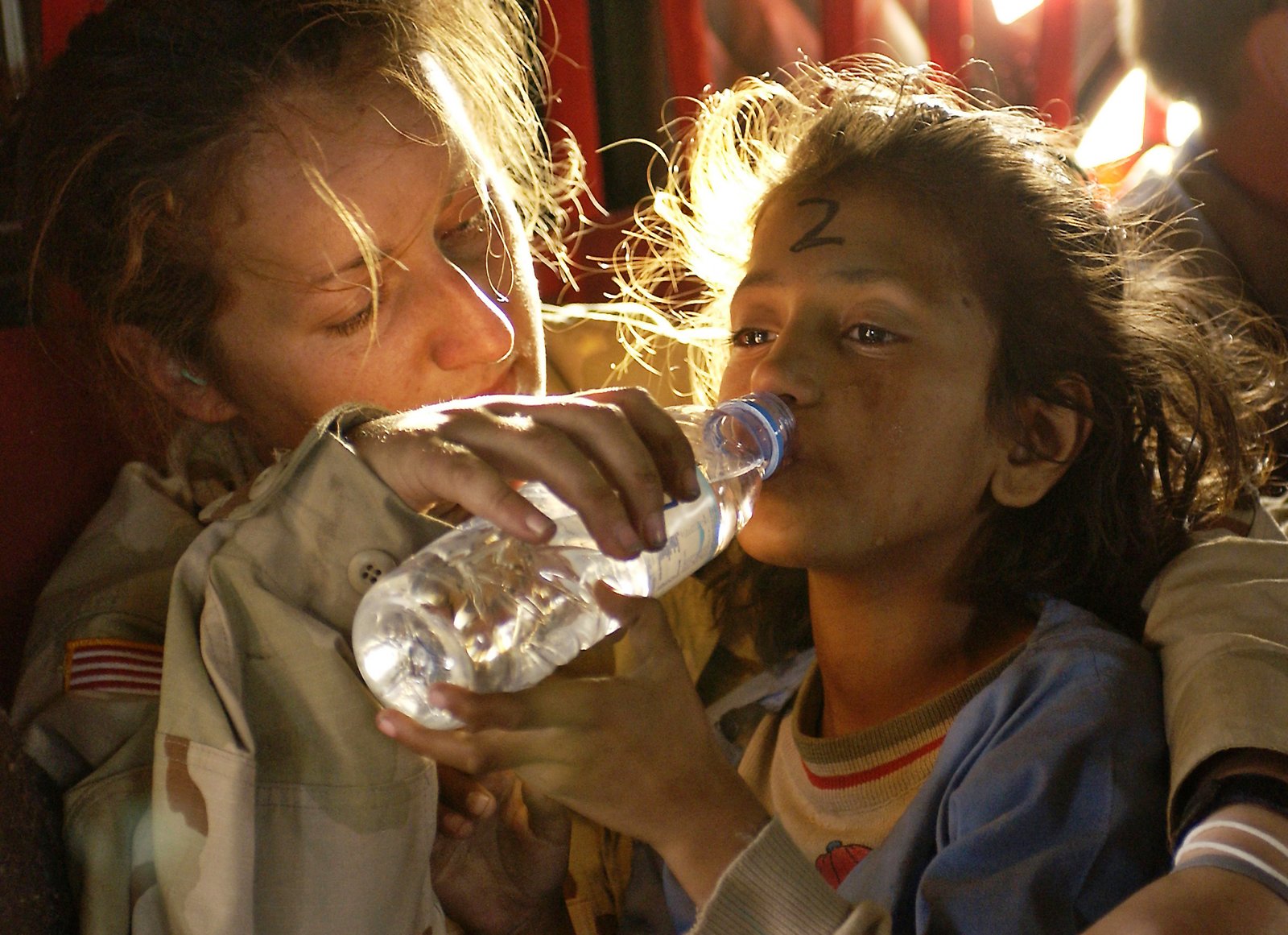
When money is short, agencies reduce rations, cut services, target fewer people or close programmes. Each of those choices has consequences. Reduced rations worsen malnutrition; closed clinics leave illness untreated; and people who are excluded may be those with the least capacity to cope.
Earmarking and flexibility
Donors often earmark contributions for specific countries or sectors, which gives them visibility and reduces agencies’ ability to move money where it is most needed. Flexible funding is more useful and less attractive to donors seeking credit. The balance between the two shapes how well the system responds.
There is broad agreement that more funding should go to local organisations, which are often first to respond and closer to affected communities. Progress has been slow, because donors have compliance requirements that small organisations struggle to meet, and because international agencies are reluctant to cede control.
Why early funding matters
Money spent before a crisis peaks is far more effective than money spent after. Anticipatory action, releasing funds on the basis of forecasts, has shown results in pilot programmes. Scaling it up requires donors willing to pay before the television cameras arrive, which is politically difficult.
More flexible funding, longer commitments, faster disbursement and greater use of local partners. Each is a well-known recommendation, and each faces resistance. The system’s problems are structural rather than technical, which is why they persist.
Signals to follow
The indicators worth following are the percentage of each appeal funded, the share of flexible funding, and whether assistance reaches people on time. Those figures describe the gap between intent and delivery better than any single headline number.
Companies donate to humanitarian appeals, sometimes in cash and sometimes in kind, and their contribution is a small share of the total. Corporate engagement can bring logistics and technology, and it raises questions about visibility and influence. Humanitarian agencies have guidelines for accepting private support, and the practice varies.
What localisation means in practice
Localisation is not only about who receives funding. It is about who sets priorities, who holds risk and who decides when a response ends. Genuine localisation shifts power, which is why it advances slowly despite broad agreement on the principle.
Donor decisions are shaped by domestic politics, media attention and historical ties as much as by assessed need. Some crises receive far more funding per person than others, and the pattern is not explained by severity alone. That unevenness is one of the system’s persistent features.
The role of the media
Funding follows attention, and attention follows coverage. Crises that receive sustained media interest tend to be better funded than those that do not, regardless of severity. That relationship is uncomfortable for a system that aspires to allocate on need, and it is difficult to change.
Reform would require donors to commit more predictably, agencies to share power with local partners, and the system to fund prevention rather than only response. Each is widely endorsed and rarely implemented, which is the pattern that defines humanitarian financing.
For all its flaws, the appeal system is more coordinated and transparent than what preceded it. The question is whether donors will fund it at the level the needs require, and the trend in recent years suggests that the answer is no without a change in political priorities.
Reform proposals tend to focus on the architecture of aid rather than its volume, and the volume is the binding constraint. No amount of coordination can substitute for money that donors have not provided, which is why the appeals gap remains the central fact of humanitarian financing.
This report draws on UN Office for the Coordination of Humanitarian Affairs (OCHA) and Development Initiatives.
Image: Capt. David Murphy · Public domain · via Wikimedia Commons.