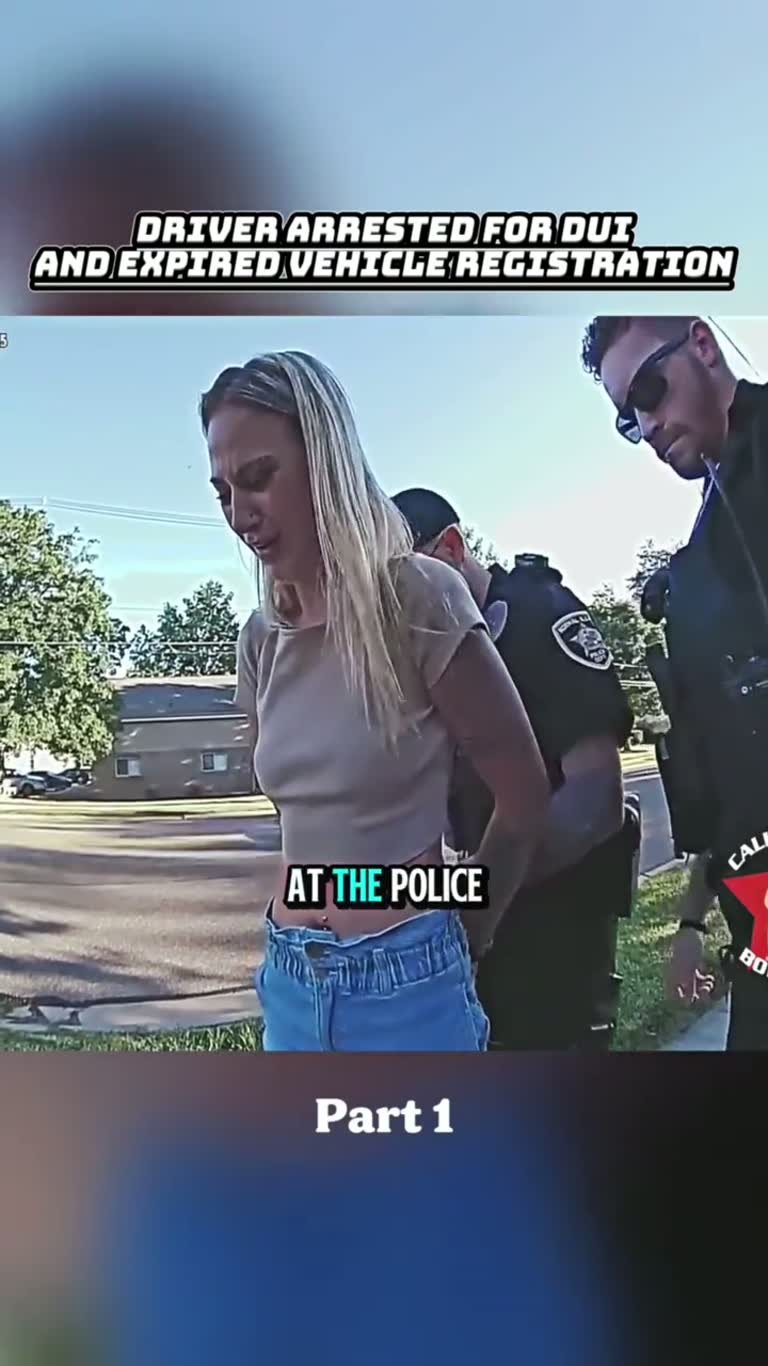
A quiet residential street became the scene of a severe traffic accident when a female driver ploughed into a parked car, tearing off her front wheel along with the brake disc and axle. What began as a claim of distraction during a phone call to her mother quickly escalated into a field sobriety test, an arrest for driving under the influence, and the discovery of a revoked licence. The entire encounter, captured on police body camera, raises uncomfortable questions about repeat offenders, vehicle insurance, and who ultimately pays when uninsured drivers cause damage.
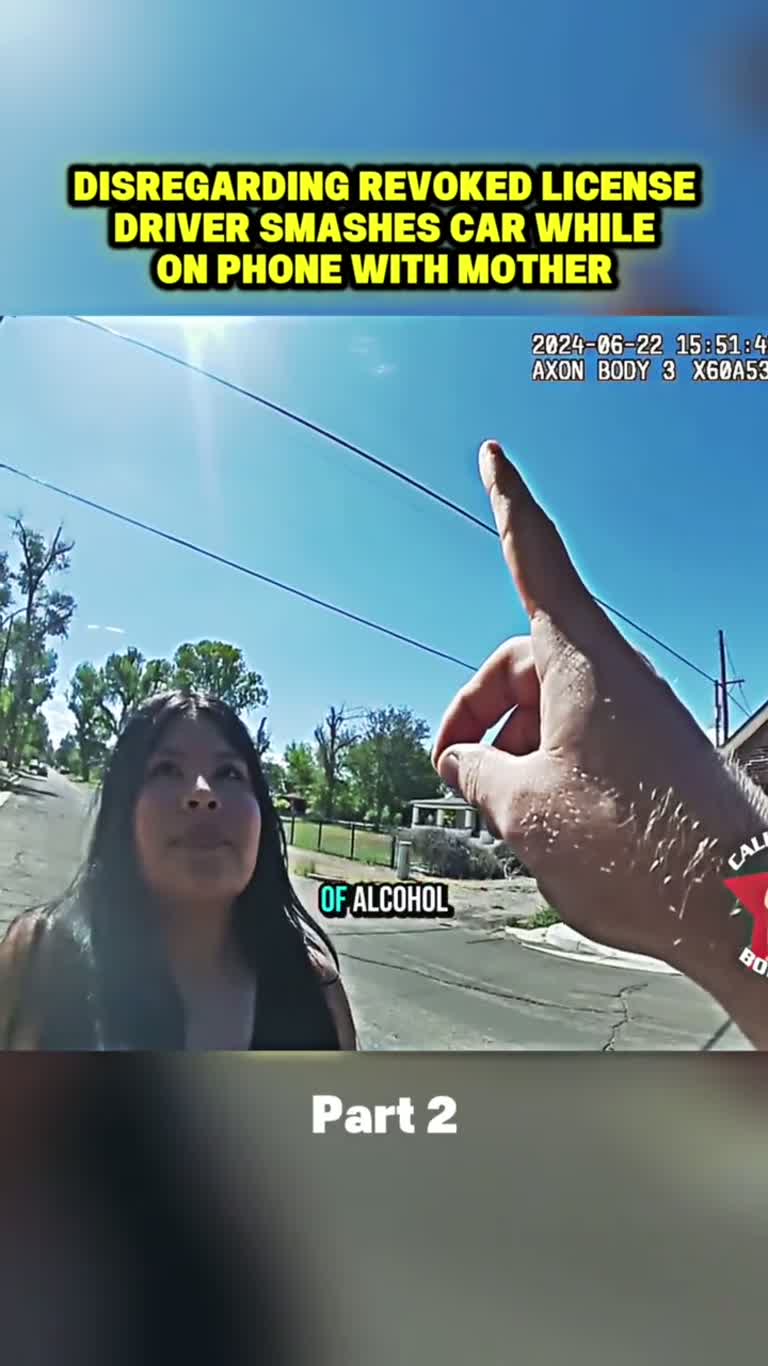
Overview of the incident and the key facts
- A female driver crashed into a parked car, causing severe damage including the loss of a front wheel, brake disc, and axle.
- She initially told police she was distracted while answering a phone call from her mother.
- Officers detected a strong odour of alcohol, which she dismissed as heavy perfume.
- She failed standardised field sobriety tests, repeatedly losing her balance and failing to follow instructions.
- She was arrested for DUI, later cited for careless driving due to phone use, and driving with a revoked licence.
The afternoon sun beat down on a suburban street, the kind of quiet neighbourhood where the loudest sound is usually a lawnmower or a dog barking. On 22 June 2024, that calm was shattered by the crunch of metal on metal. A female driver, distracted while on a phone call with her mother, slammed into a parked car with enough force to completely tear off her front wheel, along with the brake disc and axle. The wreckage told its own story: a vehicle disabled, a parked car shoved from its resting place, and a driver whose explanation would soon unravel.
When officers arrived, the woman initially claimed she had simply been distracted while answering a call from her mother. It was a plausible story, the kind of momentary lapse that happens to countless drivers every day. But as the conversation continued, officers noticed something else: a strong odour of alcohol coming from her. She attempted to dismiss it as heavy perfume, a claim that did little to ease their suspicion. Her behaviour, they noted, was suspicious, and the situation quickly moved from a routine crash report to something far more serious.
The officers decided to conduct standardised field sobriety tests. What followed was a series of failures. She repeatedly lost her balance and struggled to follow basic instructions, the tell-tale signs that officers are trained to recognise. Based on her performance and the odour, she was arrested at the scene for driving under the influence. The initial explanation about a phone call to her mother was now just one piece of a much larger puzzle.
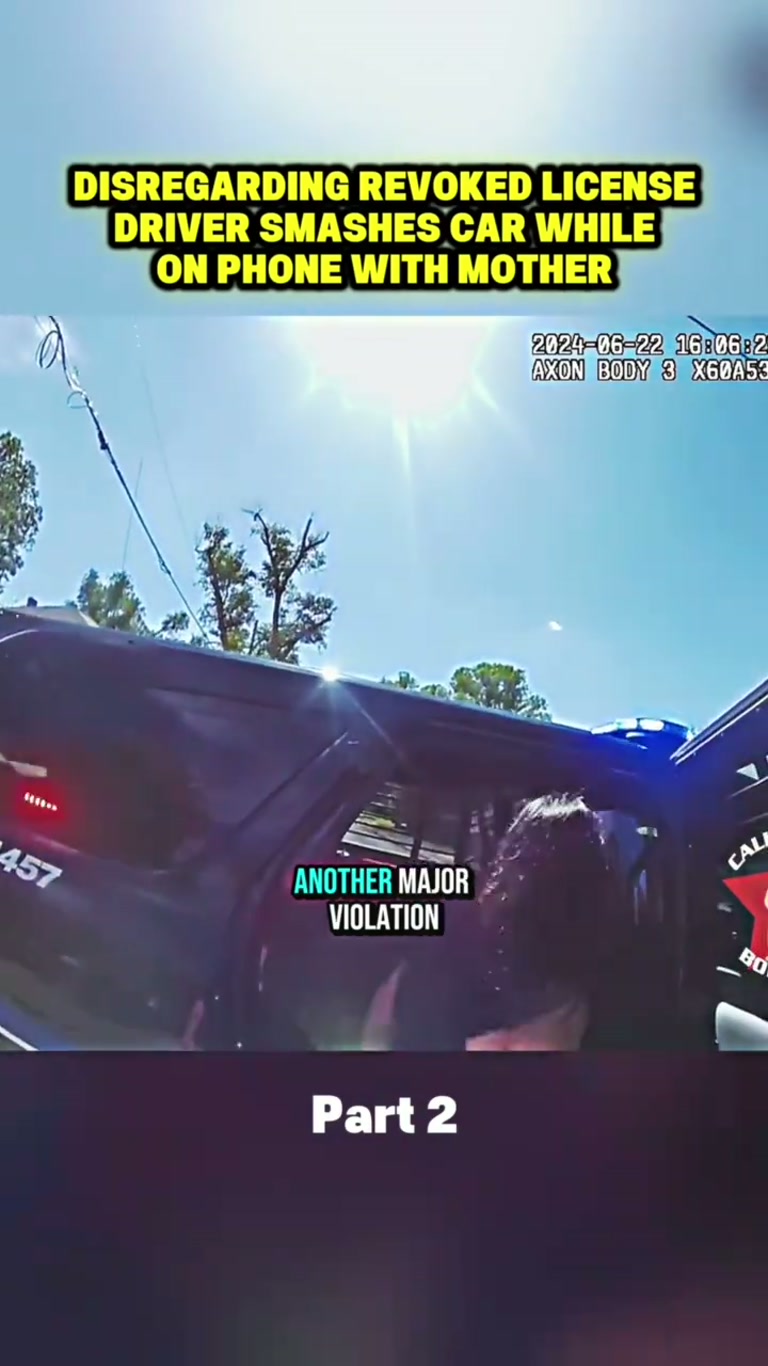
Following a series of arguments regarding legal terms and breathalyser requests, she was transported to the hospital for a blood draw. It was there, in the clinical quiet of the emergency department, that officers uncovered another major violation. Her driver's licence had already been revoked prior to the crash. The woman now faced a stack of charges: DUI, careless driving due to phone use, and driving with a revoked licence. What had started as a simple distraction had become a catalogue of offences, each one carrying its own financial and legal consequences.
The aftermath on the street and the insurance maze
The physical aftermath of the crash was immediately visible. A front wheel, brake disc, and axle torn from a vehicle represent not just a bad day, but a significant repair bill. For the owner of the parked car, the damage is an unwelcome intrusion. In the US, a driver's own collision coverage would typically handle repairs to their vehicle if they have it, but the at-fault driver's liability insurance is usually the first port of call. However, when the at-fault driver's licence is revoked, the question of whether they even had valid insurance at the time becomes critical.
If the at-fault driver was uninsured, the parked car's owner may have to rely on their own uninsured motorist coverage or collision coverage, paying their excess (deductible) upfront and potentially facing higher premiums at renewal. In the UK, the situation is similar: the Motor Insurers' Bureau (MIB) exists to compensate victims of uninsured or untraced drivers, but the process can be slow and does not cover every loss. The financial ripple effect of a single crash can extend far beyond the immediate repair bill, touching on hire car costs, loss of use, and the emotional toll of dealing with insurers.
For the at-fault driver, the consequences are even more severe. Driving with a revoked licence typically invalidates any insurance policy, meaning the insurer may refuse to pay out for the damage caused. This leaves the driver personally liable for the repair costs of the parked car, their own vehicle, and any other property damaged. In the US, some states require an SR-22 filing, a certificate of financial responsibility, before a driver can reinstate their licence, which can lead to significantly higher insurance premiums for years. In the UK, driving without insurance carries a fixed penalty of £300 and six penalty points, or an unlimited fine if the case goes to court.
The crash also raises questions about the role of mobile phones. Using a hand-held phone while driving is illegal in the UK, with penalties of up to £200 and six penalty points. In the US, laws vary by state, but many have banned hand-held phone use entirely. The fact that the driver was on a call to her mother at the time of the crash is a stark reminder of how quickly a familiar conversation can turn into a life-altering event. The phone call itself is not the crime; the decision to answer it while driving is.
Field sobriety tests and the legal turning point
The field sobriety tests are designed to be simple, but they are also designed to be failed by anyone who is impaired. The driver's repeated loss of balance and failure to follow instructions gave officers the probable cause they needed to make an arrest. The subsequent blood draw at the hospital was a critical step, as it would provide the chemical evidence needed to support a DUI charge. In both the US and the UK, the legal limit for blood alcohol concentration is strictly enforced, and refusing to provide a sample can itself be a criminal offence.
The arguments regarding legal terms and breathalyser requests suggest a driver who was either confused about her rights or attempting to delay the process. This is a common tactic, but it rarely works. The officers followed their training, transported her to the hospital, and obtained the evidence they needed. The discovery of the revoked licence was the final piece of the puzzle, turning a straightforward DUI case into a multi-count charge sheet.
For the driver, the legal consequences are now compounded. A DUI charge alone can lead to fines, licence suspension, mandatory alcohol education programmes, and even jail time. Adding careless driving due to phone use and driving with a revoked licence increases the severity of the penalties. In the US, some states mandate ignition interlock devices for repeat offenders, while in the UK, a driving ban is almost certain for a DUI conviction, with the length of the ban increasing for higher alcohol readings or repeat offences.
The insurance implications are equally serious. A DUI conviction typically leads to a massive increase in premiums, and some insurers may refuse to cover the driver altogether. If the driver is required to file an SR-22 or obtain high-risk insurance, the costs can be prohibitive. For the owner of the parked car, the hope is that the at-fault driver's insurance, if it exists, will cover the damage. If not, they may be left to pursue a civil claim, a process that can take months or even years.
What this means for drivers and vehicle owners
This incident is a reminder of the financial fragility that comes with every journey. Even the most careful driver can be hit by someone who is uninsured, unlicensed, or impaired. For vehicle owners, reviewing insurance policies is not just an annual chore; it is a necessary safeguard. Checking whether you have uninsured motorist coverage, understanding your excess, and knowing the claims process can make a significant difference in how quickly you recover from an incident like this.
In the UK, the Motor Insurers' Bureau provides a safety net, but it is not a substitute for comprehensive insurance. In the US, the system is more fragmented, with state-level requirements varying widely. Some states have no-fault insurance systems, where each driver's insurer pays for their own policyholder's injuries and damage, regardless of who caused the crash. Others use a tort system, where the at-fault driver's insurer pays. The complexity of these systems means that victims often need professional advice to navigate the claims process.
The crash also highlights the importance of documenting everything. Photographs of the damage, witness statements, and police reports are all essential when filing a claim. For the owner of the parked car, the police report will be crucial in establishing the at-fault driver's liability. If the at-fault driver's insurance is invalid, the report will also be needed if the victim decides to pursue the case through the MIB or a civil court.
Ultimately, the story serves as a cautionary tale about the choices made behind the wheel. A phone call, a drink, a revoked licence—each decision carries a weight that can crush a person's finances and freedom. The driver in this video now faces a legal and financial reckoning that will likely follow her for years. The owner of the parked car faces the hassle of repairs and the anxiety of dealing with insurers. And the rest of us are left to wonder: what would we do if we found ourselves in the same situation?
Insurance and who pays
When a crash involves a driver with a revoked licence, the insurance landscape becomes a minefield. In the US, most states require drivers to carry liability insurance, but a revoked licence often means the driver is either uninsured or their policy is void. If the at-fault driver's insurance is invalid, the victim's own insurer may step in, but only if the victim has uninsured motorist coverage or collision coverage. The victim would typically pay their deductible upfront and may see their premiums rise at renewal.
In the UK, the Motor Insurers' Bureau (MIB) acts as a fund of last resort for victims of uninsured drivers. However, the MIB does not cover damage to the victim's own vehicle unless the victim has comprehensive insurance. The MIB primarily deals with personal injury claims and some property damage, but the process can be lengthy. For vehicle damage, the victim's own insurer is usually the first point of contact, and the insurer will then attempt to recover costs from the at-fault driver or the MIB.
The excess, or deductible, is the amount the policyholder must pay before the insurer covers the rest. For example, if the repair bill is £2,000 and the excess is £250, the insurer pays £1,750. If the at-fault driver is uninsured, the victim's insurer may still cover the repair, but the victim will lose their no-claims bonus and face higher premiums. In the US, the average collision repair bill can range from $1,500 to $5,000, depending on the damage. A torn-off wheel, brake disc, and axle would likely push the cost towards the higher end of that range.
For the at-fault driver, the financial consequences are severe. If their insurance is void, they are personally liable for all damage. This could mean a civil lawsuit, wage garnishment, or bankruptcy. In the UK, driving without insurance can lead to an unlimited fine and disqualification, and the court can order the driver to pay compensation. In the US, some states allow victims to sue for punitive damages if the driver was impaired. The bottom line is that driving with a revoked licence is not just a legal risk; it is a financial catastrophe waiting to happen.
The table above summarises the key facts logged from the body camera footage and the accompanying transcript. It is important to note that the exact location and the driver's identity have not been released, and the legal process is ongoing. The charges listed are those cited by officers at the scene, and a court will ultimately determine guilt or innocence.
What do you think should happen to drivers who get behind the wheel with a revoked licence—should insurance companies be forced to pay out, or should the driver bear the full cost? Share your thoughts in the comments below.
According to the original video source.
| Incident parameter | Logged / on-scene information |
|---|---|
| Date | 22 June 2024 |
| Time of bodycam footage | 15:51 to 16:06 |
| Location | Residential street (specific area not disclosed) |
| Vehicle damage | Front wheel, brake disc, and axle torn off |
| Driver's initial claim | Distracted while answering phone call from mother |
| Officer observation | Strong odour of alcohol, dismissed as heavy perfume |
| Additional violation | Driver's licence had been revoked prior to crash |
| Charges | DUI, careless driving due to phone use, revoked licence |
Important note: Some details, including the driver's identity, exact location, and the final outcome of the legal proceedings, remain unverified and are subject to further investigation.
Core questions still unanswered
- Was the at-fault driver insured at the time of the crash, and if not, who will pay for the damage to the parked car?
- What was the final blood alcohol concentration, and how will that affect the severity of the DUI charge?
- How long had the driver's licence been revoked, and were there prior offences that could influence sentencing?
Learn more: Intoxicated driver crashes and refuses sobriety test
🎥 Watch the video at the bottom of the page 👇
This story was edited from a publicly posted video; some details may not be independently verified.