🎥 Watch the video at the bottom of the page 👇
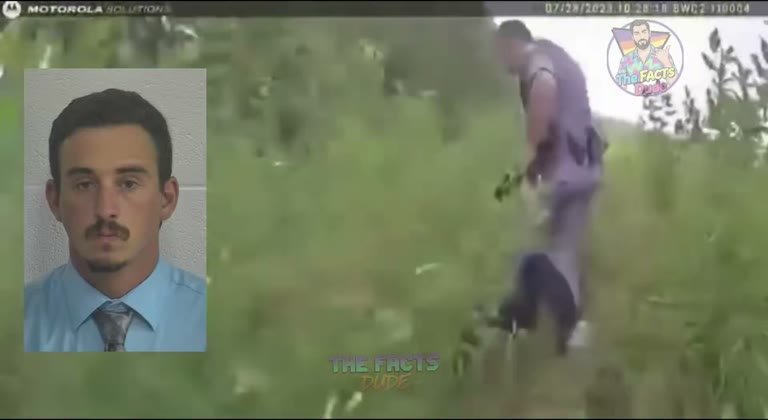
A traffic stop that began with a field sobriety test at a fast-food drive-thru turned into a fatal encounter captured on police body cameras. The footage, released to the public, shows the final moments before a man fled from officers, only to be shot in the back. Within hours, the streets of Atlanta erupted, turning a quiet evening into a chaotic scene of protest and unrest that left the nation asking how a routine stop spiraled so far out of control.
Overview of the incident and the key facts
- The incident began as a DUI investigation at an Atlanta drive-thru, where officers administered a field sobriety test.
- Bodycam footage shows a conversation between the officer and the man, who admitted to having "a few drinks."
- The situation escalated when officers attempted to arrest the man, leading to a physical struggle and a foot chase.
- A separate eyewitness video captured the moment officers apprehended a man on the ground and later rushed toward a vehicle.
- The encounter immediately sparked rioting in Atlanta, drawing widespread attention and heated debate online.
The events that unfolded in Atlanta began in a setting so ordinary it could have been any night in any city: a fast-food drive-thru, the hum of an idling engine, the glow of headlights against a menu board. What started as a standard traffic stop for a suspected DUI quickly became the center of a national firestorm. According to the body camera footage, an officer identified in the video as Officer Devin Bronsan initiated a field sobriety test, guiding the man through a breathalyzer procedure with calm, procedural instructions. The footage captures the officer's voice, steady and instructional: "All right, just take a deep breath in, put your mouth over the mouthpiece, blow as hard as you can." The man complied, blowing into the device as the officer counted each exhale. The test concluded, and the officer offered a terse "Very good."
What followed was a conversation that would become the centerpiece of the footage. The man admitted, "I just had a few drinks. That's it." When pressed on how many, he estimated, and the officer noted he had "about one and a half drinks." The exchange was brief, almost mundane, the kind of dialogue that plays out in thousands of traffic stops across the country every night. But the man's plea — "Just take me home. I'm ready to go" — signaled a growing desperation. The officer, however, had already reached a conclusion: "I think you've had too much to drink to be drivers." The tone shifted from inquiry to command. "Put your hands on your back for me." The request was repeated, and in that repetition lay the first hint of resistance.
The bodycam footage, grainy and jolting, offers only fragments of the physical struggle that followed. The camera shakes, the view swings wildly, and the audio captures the sounds of a scuffle — the rustle of fabric, the scuff of shoes on pavement, and the strained voices of officers attempting to gain control. What is clear is that the man did not comply immediately. He pulled away. He ran. The footage, as it is presented, does not show the exact moment of the shooting, but the outcome is a matter of public record: the man was shot in the back. The incident immediately sparked rioting in Atlanta, with crowds gathering in the streets, voicing their anger and demanding answers. The footage, released in the aftermath, became the catalyst for a wave of reactions that shows no sign of cooling down.
The eyewitness video, captured from a different angle, offers a starkly different perspective. It shows a group of officers on a dark street, pinning a man to the ground. The scene is lit by the harsh glare of streetlights and the flashing emergency lights of a police vehicle. The officers' movements are quick and deliberate. Then, the camera swings, and the viewer sees officers rushing toward a dark vehicle, its lights still on, the driver's side door open. The sequence of events is fragmented, but the tension is palpable. It is a scene of chaos, a moment where split-second decisions carried irreversible consequences. The video, posted online, drew massive attention, with users sharing it widely and opinions splitting almost immediately.
The aftermath was swift and volatile. Atlanta, a city with a long and complex history of racial tension and civil rights activism, became the stage for a new chapter of protest. The description accompanying the video notes that the incident "immediately sparked rioting in #Atlanta." Storefronts were damaged, streets were blocked, and the National Guard was eventually called in. The footage, which began as a simple DUI stop, had become a symbol. It fueled heated debate online, with many voicing concern about police tactics and the use of lethal force. Authorities, for their part, were left to verify the details and review the actions of the officers involved, with no official conclusion yet reached at the time the footage circulated.
The night the routine turned volatile
The drive-thru where the encounter began is a setting that feels almost designed for the mundane. The low hum of a refrigerator unit, the crackle of a speaker, the smell of frying oil — these are the sensory details that define late-night fast food. On this night, however, the ordinary became the backdrop for a life-or-death struggle. The bodycam footage opens with the officer's voice, calm and measured, guiding the man through the breathalyzer. The man's responses are quiet, almost resigned. "I just had a few drinks. That's it." It is a sentence that echoes in the mind, a simple admission that belies the enormity of what is to come. The officer's follow-up — "But you don't remember what kind of drinks it was" — suggests a level of impairment, but also a conversation that is still, in its own way, conversational.
Then comes the shift. "All right. I really don't before all right I think you've had too much to drink to be drivers." The syntax is slightly jumbled, the phrasing awkward, but the message is clear. The officer has made a decision. The man is no longer a person being questioned; he is a person being arrested. "Put your hands on your back for me." The command is repeated. "Put your hands on your back." The repetition is a signal. It is the moment when the encounter moves from investigation to enforcement. The man's response is not captured in the transcript, but the bodycam footage shows the struggle that ensues. The camera shakes, the audio distorts, and the viewer is left to piece together what happened from the chaos.
The eyewitness video adds another layer to the story. It shows the immediate aftermath, the physical struggle on the pavement. Officers are seen holding a man down, their bodies tense, their movements urgent. The scene is lit by the harsh, artificial glow of streetlights, casting long shadows that seem to swallow the figures. The man on the ground is obscured, but the posture of the officers suggests a high-stress situation. Then, the camera pans, and the viewer sees the police vehicle, its lights flashing, the driver's side door open. It is a snapshot of a moment that has already passed, a moment that will be dissected and debated for weeks to come. A witness described the scene as chaotic, the kind of sudden eruption of violence that leaves bystanders stunned and unsure of what they have just seen.
The immediate aftermath of the shooting was a city on edge. The description of the video notes that the incident "immediately sparked rioting in #Atlanta." The unrest was not just a reaction to a single event; it was the culmination of years of tension, a boiling over of frustration and grief. The footage, released in the hours and days that followed, became a flashpoint. It drew massive attention, with users sharing it widely across social media. Opinions were split, with some defending the officers' actions and others condemning them. The situation kept developing, with protests growing in size and intensity, and an outcome no one expected — a city under curfew, a National Guard deployment, and a national conversation about race, policing, and justice reignited.
For those at the scene, the night was a blur of noise and emotion. The flashing lights, the shouting, the smell of smoke from burning debris — these are the sensory memories that linger. The people involved, from the officers to the bystanders, were swept up in a moment that none of them could control. The bodycam footage, with its shaky, grainy perspective, offers a window into that chaos, but it is an incomplete window. It shows the struggle, but not the full context. It shows the commands, but not the fear. It shows the shot, but not the aftermath. It is a document of a moment, but it is not the whole story. And as the city burned, the questions only grew louder.
The struggle, the chase, and the shot heard across a city
The bodycam footage does not show the shooting itself. It shows the moments before — the struggle, the commands, the sudden burst of movement. It shows the officer's perspective, a whirlwind of motion and sound. The viewer sees the man pull away, the officers give chase. The audio captures the sound of running footsteps, the heavy breathing of the officers, the shouted commands that are lost in the wind. Then, the footage cuts. It is a gap that has been filled with speculation, with anger, with grief. The description of the video states that the man was "shot in the back" as he attempted to "resist arrest and flee from the police." It is a detail that has become the focal point of the controversy, the image that has been seared into the public consciousness.
The eyewitness video, taken from a different vantage point, captures a different phase of the encounter. It shows the officers on the ground, struggling with a man. The scene is raw, unfiltered, the kind of footage that feels invasive to watch. The officers are seen pinning the man down, their bodies blocking the view of his face. The camera shakes, the focus drifts, and the viewer is left with a sense of urgency and confusion. Then, the camera swings, and the officers are seen running toward a vehicle. The car is dark, its lights on, the driver's side door open. It is a moment of transition, a moment where the focus shifts from the man on the ground to the vehicle. It is a detail that raises questions: Was the man trying to escape? Was he reaching for something? Was he a threat? The footage does not answer these questions. It only shows the action, leaving the interpretation to the viewer.
The aftermath of the shooting was a city in crisis. The rioting that followed was not just a reaction to the death of one man; it was a reaction to a long history of similar deaths, a pattern that has repeated itself across the country. The footage, released to the public, became a symbol of that pattern. It was shared widely, debated fiercely, and used as evidence in a court of public opinion that had already reached its verdict. The authorities, for their part, were left to investigate, to verify the details, and to try to maintain order. The situation kept developing, with new details emerging, new videos surfacing, and new voices joining the chorus of outrage and grief.
For the officers involved, the night was a turning point. Their actions, captured on camera, would be scrutinized by investigators, by the public, and by history. The bodycam footage, which was meant to provide transparency, instead became a source of contention. It showed the struggle, but not the context. It showed the commands, but not the fear. It showed the shot, but not the reason. The people at the center of it — the man who died, the officers who fired, the witnesses who watched — were all part of a story that was still being written. And as the city of Atlanta tried to come to terms with what had happened, the rest of the country watched, waited, and wondered what would happen next.
A city in flames: The aftermath and the ongoing debate
The rioting that erupted in Atlanta was a visceral response to a visceral event. The footage of the shooting, released to the public, acted as a match tossed into a powder keg. Crowds gathered in the streets, their anger palpable. The sound of breaking glass, the smell of tear gas, the sight of flames — these are the images that defined the nights that followed. The description of the video notes that the incident "immediately sparked rioting in #Atlanta." It was a reaction that was both predictable and shocking, a reminder of the fragility of the peace that exists in many American cities. The situation kept developing, with protests spreading, curfews being imposed, and a sense of unease settling over the city.
The online reaction was equally intense. The footage was shared widely, with users on all sides of the debate weighing in. Some saw the shooting as a justified use of force, a response to a man who resisted arrest and fled. Others saw it as an excessive and tragic overreaction, a life taken unnecessarily. The debate was fueled by the footage itself, which was both compelling and incomplete. It showed the struggle, but not the full context. It showed the commands, but not the fear. It showed the shot, but not the reason. It was a Rorschach test for the American public, a piece of evidence that everyone interpreted differently. And as the debate raged, the people involved — the man who died, the officers who fired, the witnesses who watched — became symbols of a larger conflict.
The authorities, for their part, were left to pick up the pieces. They opened an investigation, promised transparency, and urged calm. But the situation kept developing, with new details emerging and new questions being raised. The footage, which was meant to provide answers, instead raised more questions. It showed the struggle, but not the full context. It showed the commands, but not the fear. It showed the shot, but not the reason. It was a document of a moment, but it was not the whole story. And as the city of Atlanta tried to come to terms with what had happened, the rest of the country watched, waited, and wondered what would happen next. The matter is being reviewed, officials said, but no official conclusion had been reached.
The aftermath of the shooting was a turning point for many. It was a moment that forced a reckoning, a moment that demanded answers. The footage, which began as a simple DUI stop, had become a catalyst for a national conversation. It fueled heated debate online, with many voicing concern about police tactics and the use of lethal force. It drew massive attention, with users sharing it widely across social media. It left many questions, and it triggered a wave of reactions that showed no sign of cooling down. And as the city of Atlanta tried to heal, the rest of the country watched, waited, and wondered what would happen next. The situation kept developing, and the outcome was one that no one could have predicted.
The footage, released to the public, has become a permanent part of the historical record. It is a document of a moment, a snapshot of a tragedy, a piece of evidence in a case that has yet to be fully adjudicated. It shows the struggle, but not the full context. It shows the commands, but not the fear. It shows the shot, but not the reason. And as the city of Atlanta tries to move forward, the rest of the country watches, waits, and wonders what will happen next. The matter is being reviewed, officials said, but no official conclusion had been reached. The situation kept developing, and the outcome was one that no one could have predicted.
| Incident parameter | Logged / on-scene information |
|---|---|
| Location | Atlanta, Georgia |
| Time of day | Nighttime |
| Initial contact | Traffic stop for suspected DUI at a drive-thru |
| Officer identified | Officer Devin Bronsan |
| Key exchange | "I just had a few drinks. That's it." |
| Outcome | Man shot in the back; rioting followed |
| Investigation status | Under review; no official conclusion yet |
Important note: Some details surrounding the incident remain unverified and are subject to the ongoing investigation.
Core questions still unanswered
- What exactly happened in the seconds between the struggle and the gunshot?
- How will the investigation reconcile the bodycam footage with the eyewitness accounts?
- What does this incident reveal about the broader debate over policing and race in America?
Learn more: NYC Protest: ICE Out After Bronx Shooting
This story was edited from a publicly posted video; some details may not be independently verified.