A routine morning in Seattle turned into a tense and highly charged scene when a driver declined to step out of his vehicle during an encounter with federal agents. What followed was a sudden escalation, with the window shattered and the man pulled from the car by force. The entire episode was captured on camera by onlookers, quickly drawing massive attention online and fuelling a fierce debate about protocol, force, and the rights of those involved.
Overview of the incident and the key facts
- Federal agents in Seattle, Washington, approached a vehicle and asked the driver to step out.
- The driver refused to exit the car, leading to a standoff captured on video.
- Agents smashed the vehicle's window and pulled the man out by force.
- The incident occurred in the morning and was recorded by bystanders nearby.
- The footage has sparked widespread debate online regarding the use of force during such stops.
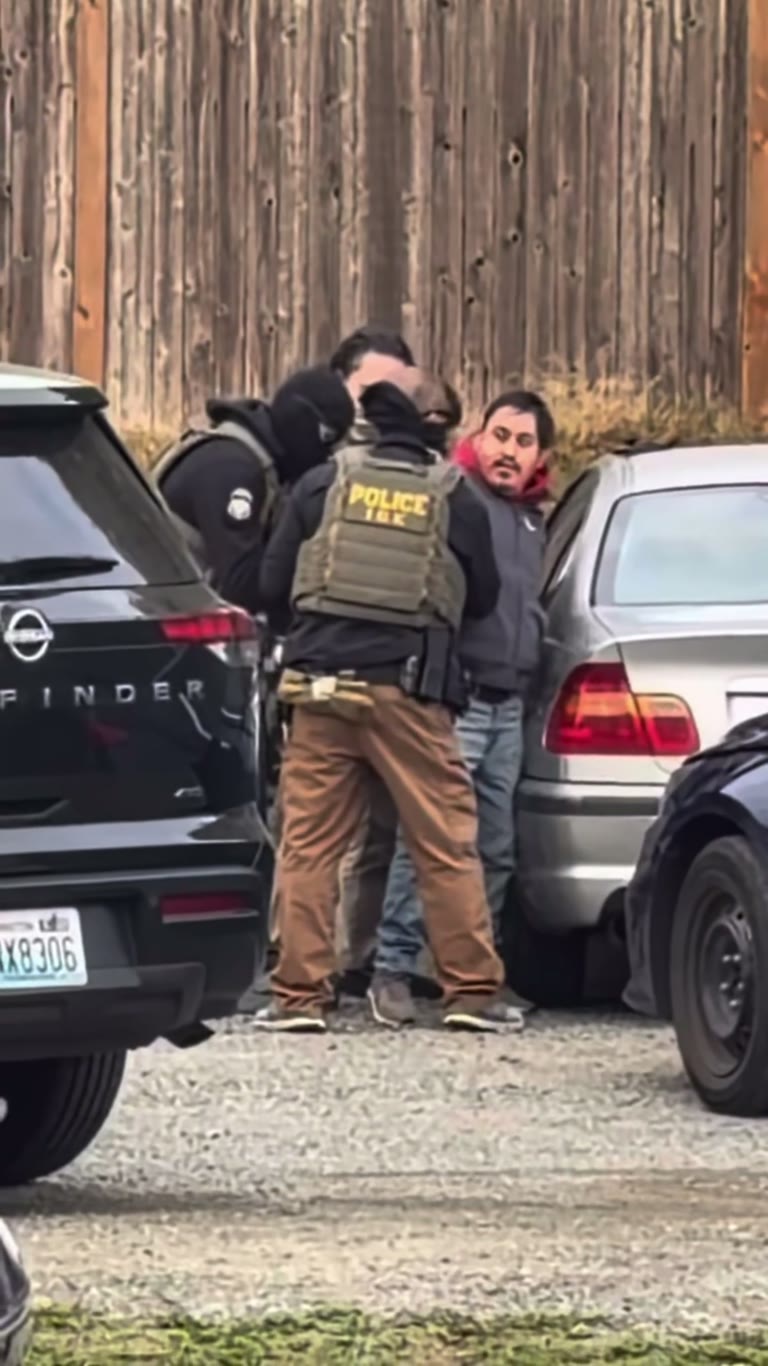
The footage opens on an ordinary residential street, the kind of quiet, grey morning where nothing much usually happens. A dark SUV is parked, and a silver sedan sits boxed in by the kerb, its engine off, the driver still inside. The mood on the pavement is tense from the first frame, as a group of agents in tactical vests and face coverings surround the silver car. They are there to execute an operation, and the driver inside has clearly decided he is not going to make it easy for them.
According to the video description, the agents asked the driver to step out of the car. He refused. What might have been a straightforward arrest or detention then becomes a slow, grinding standoff, the sort that makes everyone nearby hold their breath. In the audio, the only clear words captured are a hushed, "Oh, God," a small human sound that cuts through the noise of the street and the tension of the moment.
The agents do not wait indefinitely. The frames show them moving into action, with one officer leaning into the rear passenger side of the silver car. The driver stays put. The situation reaches a tipping point, and the sound of breaking glass marks the moment the standoff ends. The man is then pulled out through the broken window by force, his body bent as the agents extract him from the vehicle. The bystanders recording the scene keep their cameras rolling, capturing every second of the chaotic arrest.
The footage is short, but it carries the weight of a much longer story. It shows the mechanics of a forced extraction, the split-second decisions made by agents on the ground, and the stark reality of what happens when a person refuses to comply with a lawful order. The visual is stark: a silver car, a smashed window, and a man being hauled out onto the street.
The insurance angle: vehicles, liability and the cost of force
Whenever a window is smashed during an arrest or a forced extraction, the question of who pays for the damage is rarely straightforward. The vehicle in the footage, a silver sedan, is the property of the driver, and the damage to the window is immediate and visible. In the United States, if law enforcement or federal agents damage a vehicle during the course of an operation, the owner may face a difficult path to recovery. Standard car insurance policies typically cover glass damage under comprehensive coverage, but the circumstances matter enormously.
If the driver is insured with comprehensive cover, the shattered window may be repaired or replaced, minus the deductible, which is the amount the policyholder must pay out of pocket before the insurer steps in. In the US, deductibles for comprehensive claims commonly range from $100 to $500, depending on the policy. However, if the damage occurred during a lawful law enforcement action, the insurer may seek to recover the cost from the agency responsible. This is where the legal doctrine of sovereign immunity often complicates matters, as federal agencies are generally protected from certain civil claims unless specific conditions are met.
For the driver, the financial hit could extend beyond the window. If the vehicle is impounded, there may be towing and storage fees, which can add up quickly. If the driver is detained, the car may sit in a lot accruing daily charges, and those fees are typically the owner's responsibility, regardless of the outcome of the case. In the UK, the rules differ; if the police damage a vehicle during an operation, the owner can sometimes claim compensation through the police force's insurance scheme, but it requires proving that the damage was not the result of the owner's own actions. The distinction between US and UK practice here is crucial: in the UK, there is a more structured process for claims against the police, while in the US, it often requires legal action and can be a long, uphill battle.
For anyone watching this footage, the key insurance takeaway is to document everything. Photographs of the damage, the vehicle's registration, and any police report or incident number are essential. Without a police report, an insurer may struggle to process a claim, especially when the damage is caused by a third party, in this case, law enforcement. Comprehensive cover is the policy that responds to vandalism or damage not caused by a collision, but it is not mandatory in every US state, and many drivers opt for the minimum liability cover only, which would leave them paying for the window themselves.
Bystanders, cameras and the modern public record
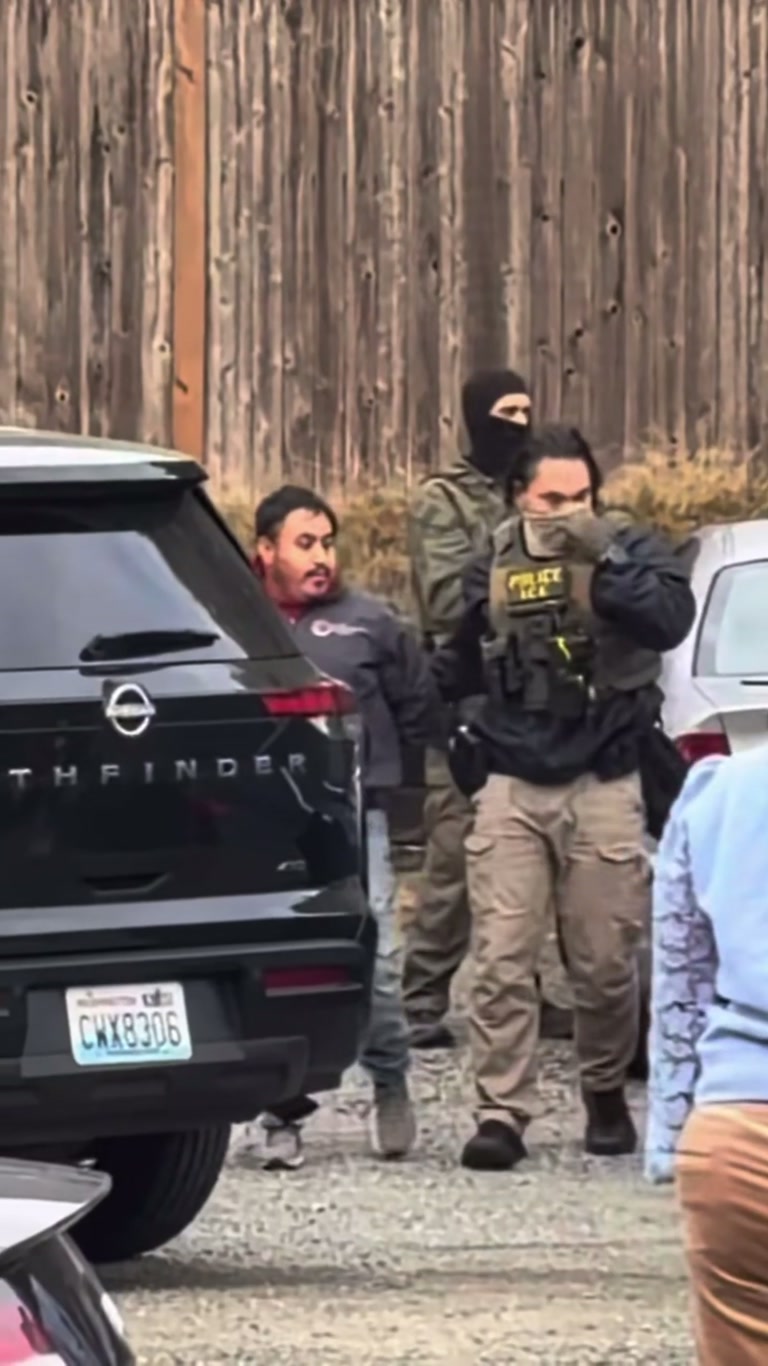
The description notes that the "Karens" were videoing, a colloquial nod to the bystanders who stood on the pavement, phones raised, capturing the action. In an age where every public encounter can become a viral video, the presence of cameras changes the dynamics of the scene. The agents are aware they are being watched, and the driver is aware that his refusal is being recorded. That awareness does not necessarily alter the outcome, but it does ensure that the incident is preserved for public scrutiny.
The footage itself becomes a piece of evidence, not just for the court of public opinion but potentially for official reviews. When a video like this circulates online, it often triggers a wave of reactions, with opinions split on whether the force used was proportionate or excessive. The video does not show what happened before the recording began, nor does it show the legal basis for the stop. It simply captures the escalation, the refusal, and the forceful extraction. That gap in context is precisely why these clips are so contentious: viewers see the violence of the moment without the paperwork or the prior warnings that may have preceded it.
For the insurance industry, such footage is a reminder that vehicle damage claims can arise from unexpected sources. A smashed window during a law enforcement operation is not a typical traffic collision, but it is a loss event that falls under the broad umbrella of property damage. Insurers assess these claims based on the policy wording, the cause of loss, and whether the policyholder was actively involved in the incident. If the driver was engaged in illegal activity, the insurer may deny the claim on the grounds of illegality or policy exclusions, leaving the owner to bear the full cost of repairs.
The cost of replacing a car window in the US can range from $200 to $800, depending on the make and model, with labour and calibration costs adding to the bill for newer vehicles with advanced driver assistance systems. In the UK, a similar repair might cost between £150 and £600. These figures are not trivial, and for a driver already facing legal troubles, the added financial burden can be significant. The standard advice from consumer groups is to notify the insurer promptly, provide a crime reference number if applicable, and be prepared for the possibility that the claim may be rejected if the damage is deemed to have occurred during the commission of a crime.
Insurance and who pays
The insurance implications of this incident depend heavily on the policies held by the driver and the legal framework governing the agents' actions. If the driver has comprehensive car insurance, the broken window may be covered, but the insurer will want to know the cause of the loss. A claim for a window smashed by law enforcement is not a standard collision claim; it is a damage claim that may be classified under comprehensive cover if the policy includes it. In the US, comprehensive cover is optional in many states, and drivers who only carry liability insurance will not have any cover for their own vehicle's damage.
In the UK, the situation is different. If the police damage a vehicle during an operation, the owner can make a claim against the police force, but the process requires evidence that the damage was not the fault of the driver. The police will review the circumstances, and if the claim is accepted, the force's insurer will pay for the repairs. However, if the driver was arrested and charged, the claim may be put on hold until the legal proceedings conclude. In both countries, the excess or deductible applies: the policyholder pays the first portion of the claim, which can range from $100 to $1,000 in the US and £100 to £500 in the UK, depending on the policy terms.
For the driver in this footage, the financial consequences could extend beyond the window. If the car is impounded, daily storage fees apply, and these are typically not covered by insurance. The driver may also face legal costs, which are generally excluded from standard car insurance policies. The best course of action for anyone in a similar situation is to contact their insurer immediately, obtain a police report, and keep all receipts for any expenses incurred. Without proper documentation, the chances of a successful claim are greatly reduced. It is also worth noting that if the driver is found to have been involved in criminal activity, the insurer may void the policy entirely, leaving the owner with no cover and a damaged vehicle.
| Incident parameter | Logged / on-scene information |
|---|---|
| Location | Seattle, Washington |
| Time of day | Morning |
| Vehicle | Silver sedan |
| Driver action | Refused to exit the car |
| Agent action | Smashed the window and pulled him out |
| Bystander activity | Recorded the incident on video |
| Audio captured | "Oh, God" |
Important note: Some details regarding the specific legal basis for the stop and the identities of those involved remain unverified and are subject to official review.
Core questions still unanswered
- Should insurance cover the damage when law enforcement smashes a window during an arrest?
- Who should be responsible for the repair bill: the driver, the agency, or the insurer?
- Does the presence of bystander video change how these incidents are handled by authorities?
Learn more: Christmas Day shooting: teen killed and four injured
🎥 Watch the video at the bottom of the page 👇
This story was edited from a publicly posted video; some details may not be independently verified.