Humanitarian agencies operate on forecasts of need and commitments of money, and the gap between them is a recurring theme. On 4 September, the UN High Commissioner for Refugees outlined reforms and called on member states to consider support for UNHCR’s 2027 work in a briefing to member states. The briefing is a leadership statement about funding, management and operational direction, and it offers no independent audit of every refugee response.
What the briefing covers
The High Commissioner’s address sets out the agency’s assessment of displacement trends, its operational priorities and its financial position. It is a formal occasion at which the agency makes its case to governments. The content reflects both the realities of the situation and the institution’s need to secure resources.
Why funding is uncertain
UNHCR relies on voluntary contributions, which means its budget depends on donor decisions made annually. That creates planning uncertainty, because programmes must be designed before funding is confirmed. The agency has repeatedly warned that needs are outpacing resources, a gap that affects how many people receive assistance and how well.
The reforms described
Reform in a large humanitarian agency typically concerns efficiency, decentralisation, coordination with partners and the use of technology. These changes aim to deliver more with constrained budgets. Their success depends on implementation and on whether they free resources for frontline work rather than administrative overhead.
A speech does not confirm future contributions or resolve wider pressures on displaced people. It sets out the agency’s position and makes an appeal. Budget documents, donor commitments and country-operation updates will show what follows, and those are the sources to consult for a factual picture.
The displacement context
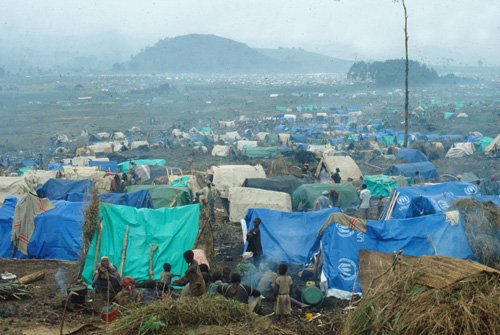
Forced displacement has increased over the past decade, driven by conflict, persecution and, increasingly, climate-related pressures. Most displaced people are hosted in neighbouring countries, often poorer than those from which they flee, which places strain on host communities and their services. The funding challenge is therefore about supporting both refugees and hosts.
Why predictable funding matters
Humanitarian services are easier and cheaper to deliver when funding is predictable. Schools, clinics and food programmes operate on cycles, and interruptions are costly. Multi-year commitments, pooled funds and early financing are among the mechanisms designed to smooth the flow, and they remain limited relative to need.
Budget documents, donor commitments and country-operation updates will show what follows. The questions worth following are whether the agency’s budget is met, whether reforms change delivery and whether assistance reaches the people it is meant to serve. Those are the measures of institutional effectiveness.
The host community dimension
Most refugees live in host communities rather than camps, and their presence affects local services, land and labour markets. Programmes that support only refugees can create tension; those that also support hosts are more sustainable. Development actors, not only humanitarian agencies, are increasingly involved, which reflects the recognition that displacement lasts years.
How resettlement works
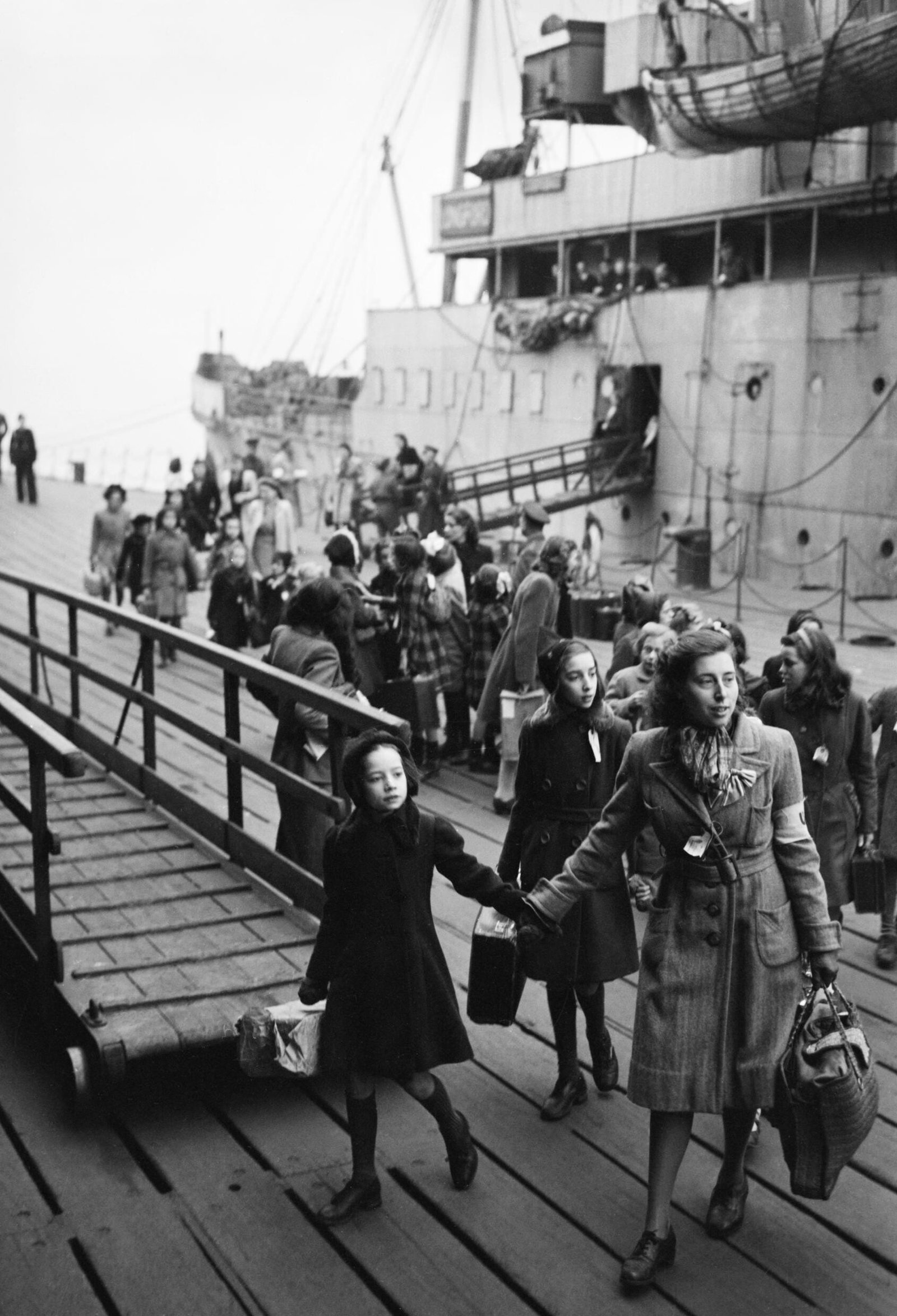
Resettlement moves refugees to a third country, and it offers a durable solution for a small number of people relative to global need. The process involves selection, security checks and integration support, and it is limited by the number of places that states offer. Its scarcity is one reason most displacement persists.
UNHCR’s statistics on displacement are among the most cited humanitarian figures, and they carry the limitations of any global count. Registration data, surveys and estimates are combined, and the categories have legal implications. Understanding how the figures are produced helps in reading them accurately.
The voluntary funding model
UNHCR’s budget is funded almost entirely by voluntary contributions, which distinguishes it from agencies with assessed budgets. The model gives donors influence over priorities and leaves the agency exposed to shifts in political attention. Debates about reforming humanitarian financing often focus on this structure, and changing it would require agreement among states with different interests.
The role of the private sector
Private companies and foundations contribute to humanitarian work, often through partnerships that bring technology, logistics or funding. These contributions can be valuable and they raise questions about influence and consistency. Humanitarian agencies have developed guidelines for private-sector engagement, and the practice continues to evolve.
The agency’s credibility depends on demonstrating that reforms improve delivery rather than simply reducing costs. That is a difficult case to make, because the effects of reform are slow and hard to attribute. The evidence will accumulate through evaluations and through the experience of the people the agency serves, which is the standard that ultimately matters.
The briefing also serves a political purpose: by making the funding gap public, the agency creates pressure on donors and a record that can be cited later. That is part of how humanitarian institutions advocate for the people they serve, and it is a legitimate function of a leadership address.
This report draws on UNHCR.
Image: CDC · Public domain · via Wikimedia Commons.