Small states face a particular problem in heritage protection: the international system assumes institutions that they may not yet have. Nauru, also known as Naoero, joined the World Heritage Convention in 2024 and has now completed its first International Assistance project, UNESCO reported on 6 August. The milestone is less about a site than about building the capacity to manage one.
What the project did
The work included a seven-day mission in February and produced recommendations involving site assessment, documentation, education and a national committee. A draft five-year plan forms part of the work described. In other words, the project produced a framework rather than a restored building, which is the appropriate starting point for a country at the beginning of the process.
Why capacity comes first
The World Heritage system requires states to inventory their heritage, nominate sites, manage them and report periodically. Each of those steps requires staff, expertise and administrative structures. For a small island state with limited civil-service capacity, the binding constraint is often people rather than money. A project that creates a committee and a plan addresses that constraint directly.
Nauru’s heritage
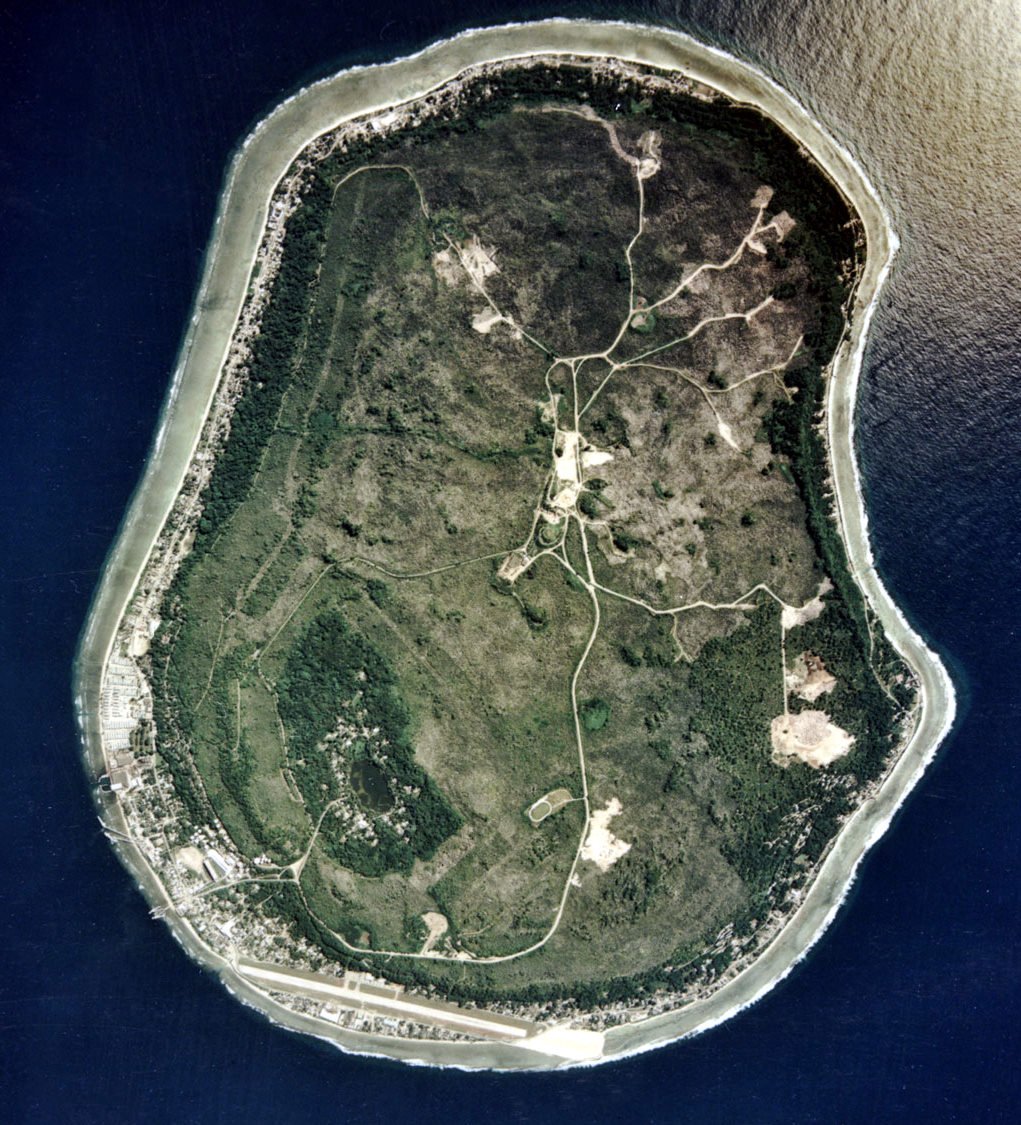
Nauru is a small island in the Pacific with a history shaped by phosphate mining, colonial administration and the displacement of much of its population during the Second World War. Its cultural and natural heritage includes sites connected to those histories, and the island’s environment has been heavily altered by extraction. Identifying what to protect, and why, is a substantive question rather than a procedural one.
The value of international assistance
International Assistance under the World Heritage Convention provides funding and expertise for preparatory work, training and emergency measures. For small states, it is one of the few accessible sources of support for heritage capacity. The amounts are modest, and the leverage comes from combining them with technical guidance and international networks.
Planning is not inscription
Completion of the assistance project does not mean a Nauruan site has been inscribed on the World Heritage List. It concerns the capacity and planning needed to develop the country’s approach. The next steps will depend on national decisions about how those recommendations are taken forward, and inscription, if it comes, is years away.
Signals to follow
The evidence that the project mattered will be whether the national committee becomes active, whether the five-year plan is funded and implemented, and whether a nomination eventually emerges. Frameworks that are not resourced tend to lapse quietly. That is the risk for any capacity-building project, and it is greater where administrative resources are thin.
Small island states and heritage
Small island developing states face common constraints: limited land, small populations, exposure to climate impacts and thin administrative capacity. Their heritage includes both cultural and natural elements, often closely linked, and it is vulnerable to sea-level rise and extreme weather. International frameworks can help, and they were largely designed for larger states with established institutions, which is why capacity-building matters so much.
The funding landscape
Heritage funding for small states comes from a patchwork of sources: the World Heritage Fund, bilateral donors, regional organisations and philanthropic foundations. The amounts are modest, and the administrative effort required to access them can be disproportionate for a small civil service. Simplifying access and providing technical support alongside money are recurring recommendations in this field.
What capacity means in practice
Capacity takes several forms. It includes knowing which sites exist, being able to document them, having staff trained in conservation and management, and possessing the authority to make decisions. A national committee and a five-year plan address several of these at once, which is why preparatory projects focus on them. The test is whether the structures outlast the project funding.
The climate dimension
For small island states, heritage protection is inseparable from climate adaptation. Coastal sites face erosion and inundation, and cultural practices tied to particular places may become impossible to sustain if those places change. This makes heritage planning part of a wider resilience agenda, and it strengthens the case for integrating it with environmental and development policy rather than treating it as a separate concern.
Nauru’s first project is modest in scale and significant in kind. It establishes that the country has begun building the institutions the World Heritage system assumes. Whether that foundation is used is a national decision, and the international community’s role is to make the next steps accessible rather than to decide them.
The lesson other small states might take is that the sequence matters: establish a committee, inventory what exists, write a plan, then seek support for specific actions. Starting with a nomination before the groundwork is done tends to produce applications that fail and time that is wasted. Nauru’s approach, however modest, follows the order that the system rewards.
Sources
- UNESCO. UNESCO supports Naoero in completing its first World Heritage International Assistance project. unesco.org
Image: ARM · Public domain · via Wikimedia Commons.