A hand on a steering wheel, a soldier climbing into a moving truck, and a drone somewhere overhead that leaves only seconds to react. The clip is being passed around online right now as one of the most tense pieces of footage anywhere, and the comment threads keep landing on the same word: cinematic.
A Quiet Road, Then Everything Moves
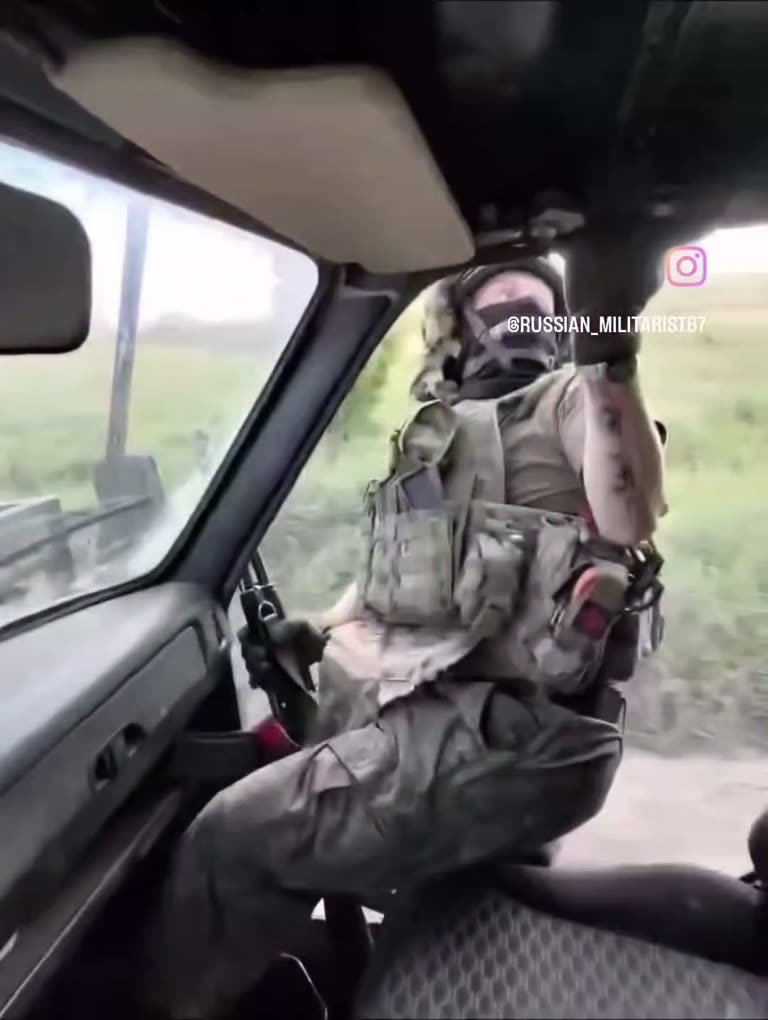
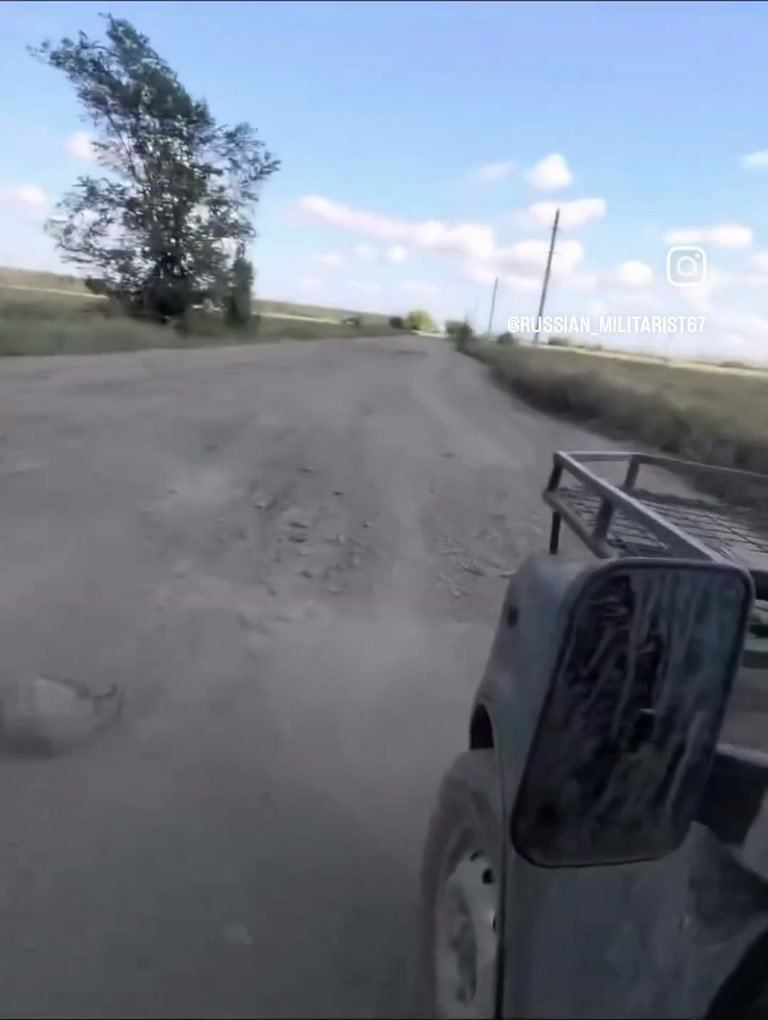
The clip opens with almost nothing. A hand rests on a steering wheel, the windshield is dusty, and a straight dirt road runs between open fields under a bright sky. Nothing in those first seconds hints at a heart-pounding chase. Then the frame shifts, the truck keeps rolling, and a second figure in full gear pulls himself into the cabin, masked and loaded down with equipment.
From there, the camera stays glued to the driver's point of view. Dust rolls up behind the vehicle, a side mirror rattles in the frame, and the road ahead stays flat and exposed. That flatness is the whole problem — there is nowhere to duck, and the pace never eases. Anyone who has watched drone footage from the last few years will recognize the exact feeling this shot is built to produce.
- The camera never cuts away from the driver's view.
- Dust and glare stay in frame, so the road feels close.
- Gear, straps, and a moving hand keep the shot grounded in real motion.
- The sky stays empty for a beat before a plume of smoke appears in the distance.
"You have seconds to save your life against a FPV DRONE !!!!"
Why It Reads Like a Thriller
Strip away the setting and what's left is familiar to anyone who has sat through a modern action movie. A vehicle in motion, a narrow window of time, and a threat the audience cannot see yet. Hollywood leans on exactly this language — breakneck pace, tight first-person framing, and sound design that turns engine noise into a countdown.
That's why the clip travels so fast. It doesn't need a score or a cut. The handheld wobble does the work, the engine hum does the rest, and the sky keeps a secret. On a big screen this would be the moment the theater stops breathing; on a phone screen it's the moment the thumb stops scrolling.
Later frames push a rifle toward the bottom of the shot while a puff of smoke hangs over the tree line. It reads less like a stunt and more like a practical effect someone lit on set. The same toolkit shows up in recent American productions that mount cameras on drones, helmets, and car hoods. Directors like the immediacy because it removes a layer between the audience and the action — and this footage arrives with that layer already gone.
The Line Between Footage and Film
It's worth being clear about what this is. The clip is posted by an account that shares military footage, and the watermark in the frame points to a similar source. It is not a trailer, and the people in it are not actors. That gap — between how cinematic it looks and what it actually is — is exactly what keeps comment sections busy.
What the clip never does is explain itself. The edit ends before anything resolves, and the outcome stays off screen. Whether the truck outran the threat or the drone found its mark is not shown, and the caption does not say. You're left with a few seconds of open sky and a lot of questions, which is precisely the trick a good trailer pulls.
For anyone who watches action cinema closely, the takeaway is simpler: the tools have caught up with the imagination. A drone camera the size of a paperback can now deliver a shot that once required a helicopter, a full crew, and a permit. Nothing here looks staged, and that is the point — the rawness is doing the work that a budget used to do.
So what's your read — does this look like a scene pulled straight out of a movie, or footage you would never want to see on a theater screen?
This article was written from a publicly shared video; some details may not be independently verified.