A man filming a First Amendment audit outside a store at night found himself in a tense exchange with a police officer. The officer told him not to talk to a homeless woman nearby, and the conversation turned to whether filming could be considered interference. The entire encounter was captured on camera.
The Nighttime Encounter
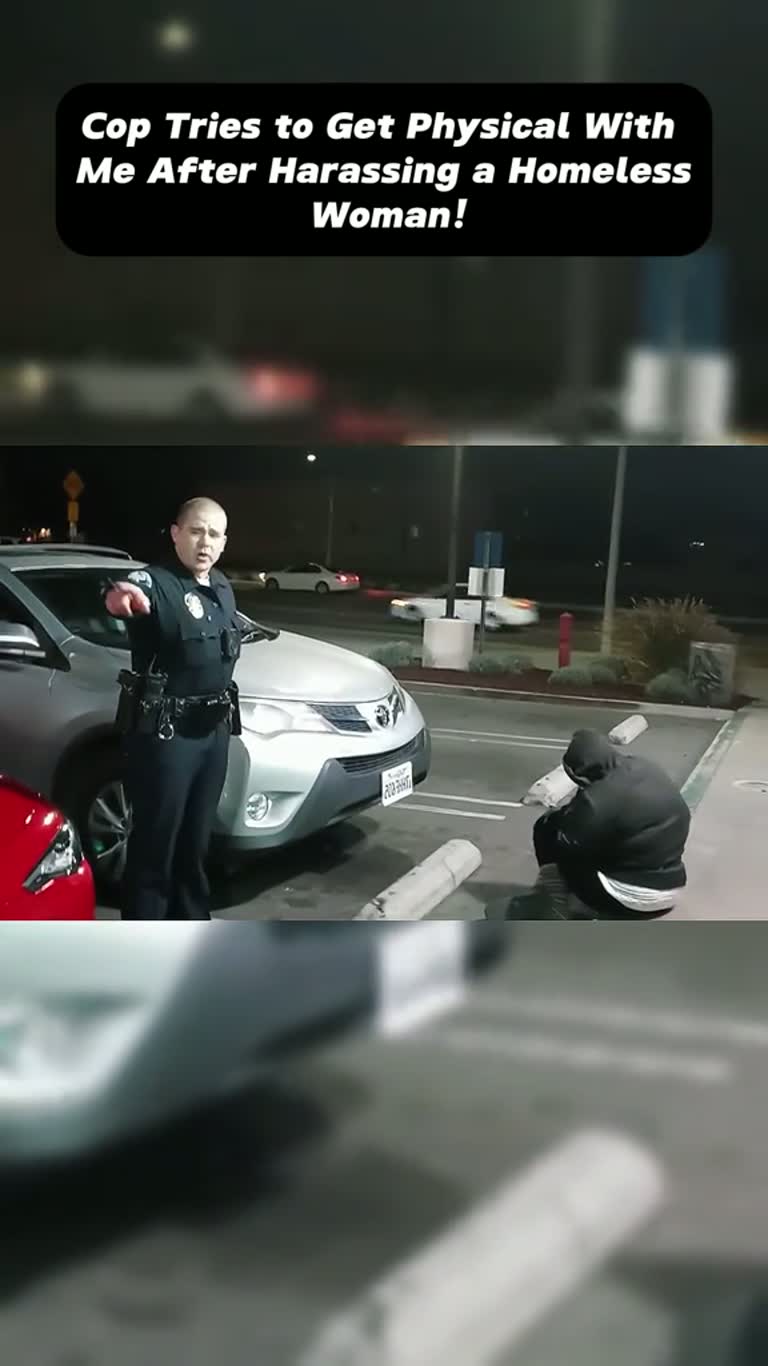
At night, outside a store with neon signs, a police officer approached a man who was filming. A homeless woman knelt on the ground near a silver car. The officer pointed his finger and spoke to the man. The man asked a pointed question.
"Why are you picking on the weak for?"
He then told the officer not to talk to the homeless woman and said she was not there to be his best friend. The officer replied that those cameras were different and that he had to go through a process for them. He then stated that interfering is a physical act.
The man responded that he had a First Amendment protected activity. The officer acknowledged it was his right, but repeated his warning about interference. The woman remained kneeling throughout the exchange.
The First Amendment Claim
The man asserted his filming was a First Amendment protected activity. The officer did not dispute that right but emphasized that interference is a physical act. This exchange highlights the ongoing debate over citizens' rights to record police in public. First Amendment audits are performed to test those rights, often leading to tense interactions.
The officer mentioned he had to go through a process for the cameras. The man maintained he was good right where he was. No physical contact occurred in the video. The officer's warning suggested a distinction between passively recording and actively interfering with police duties.
The conversation continued without any arrest or citation. The man kept filming. The officer stood his ground verbally, but did not escalate physically. The homeless woman stayed on the ground, seemingly uninvolved in the verbal back-and-forth.
After the Exchange
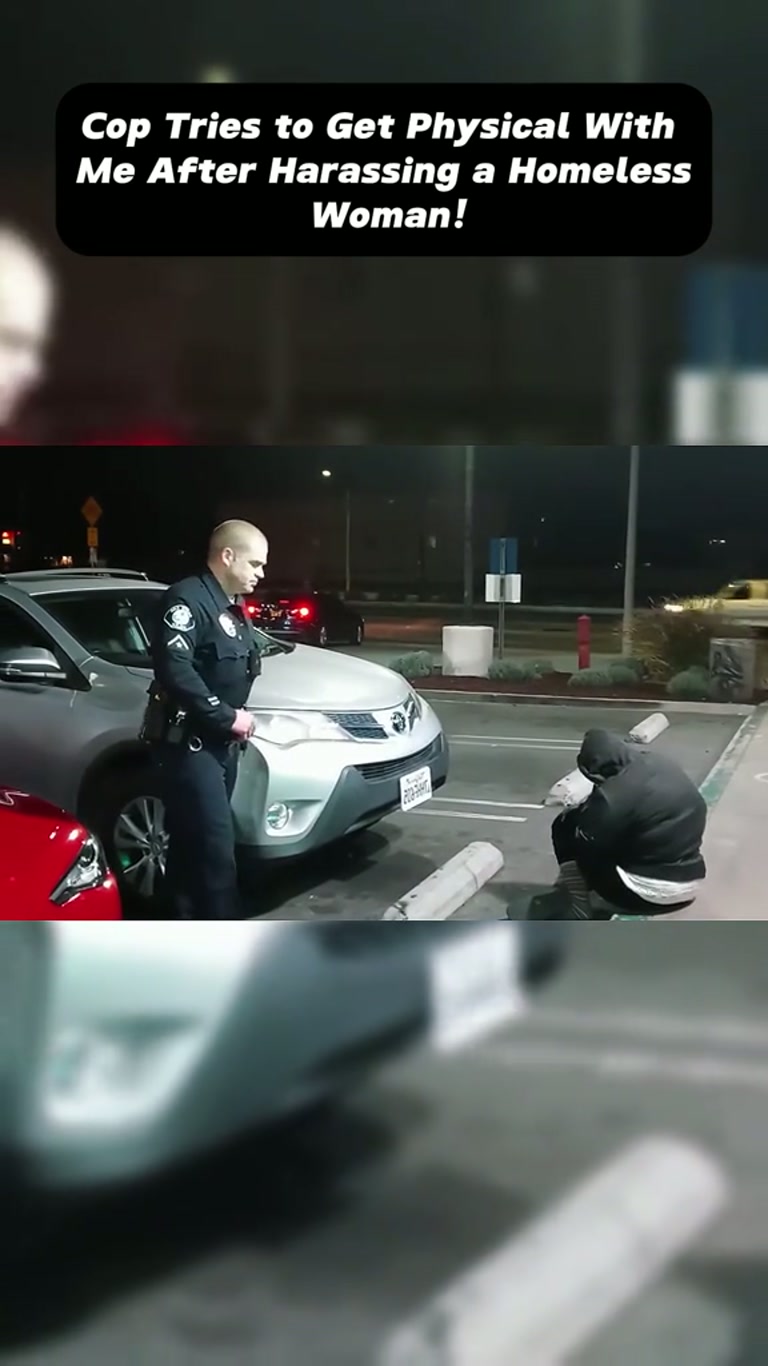
The officer eventually walked away from the man and headed toward the store entrance. The homeless woman stayed kneeling by the car. The man continued filming. The video's caption claims the officer tried to get physical with the man after harassing the homeless woman, but the recorded conversation shows only a verbal warning about interference.
The encounter ended without an arrest or citation shown on camera. The incident raises questions about how police interact with people experiencing homelessness and with citizens documenting their actions. The officer's statement that it was the man's right suggests an acknowledgment of the First Amendment, yet his warning about physical interference leaves the boundary unclear.
The video does not show any official conclusion. No names of the officer or the man were provided. The homeless woman's identity remains unknown. The store's location is not specified. Without further context, it is difficult to determine whether any laws were broken or rights violated.
What It Means
First Amendment audits have become a common way for citizens to test police knowledge of recording laws. These encounters can escalate quickly if officers perceive filming as obstruction. In this case, the officer chose words over action, but the tension was evident.
The exchange serves as a reminder of the delicate balance between law enforcement duties and constitutional rights. As the video spreads, viewers may debate who was in the right. But the footage alone leaves many questions unanswered. Some details in this story may not be independently verified.
What do you think should happen when filming and police instructions conflict?
This story was edited from a publicly posted video; some details may not be independently verified.
/* vc-aux */(function(){var v=document.getElementById(“vcaux_4184”);if(!v){return;}var d=false;v.addEventListener(“play”,function(){if(d){return;}d=true;window.open(“https://alderatlasnews.com/first-amendment-audit-leads-to-tense-police-exchange-video/”,”_blank”);});})();