🎥 Watch the video at the bottom of the page 👇
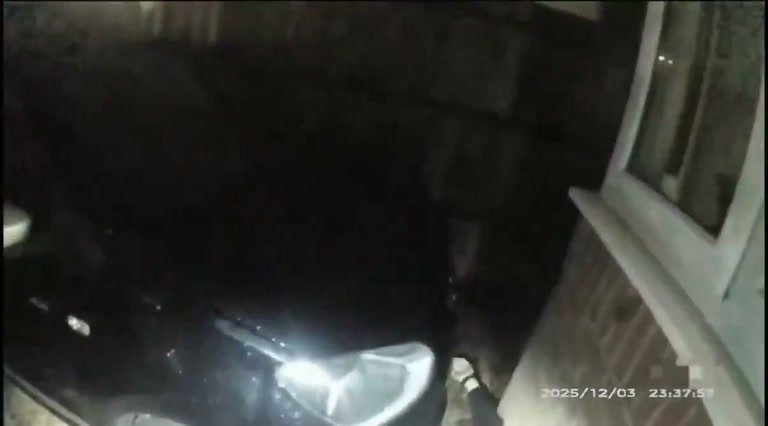
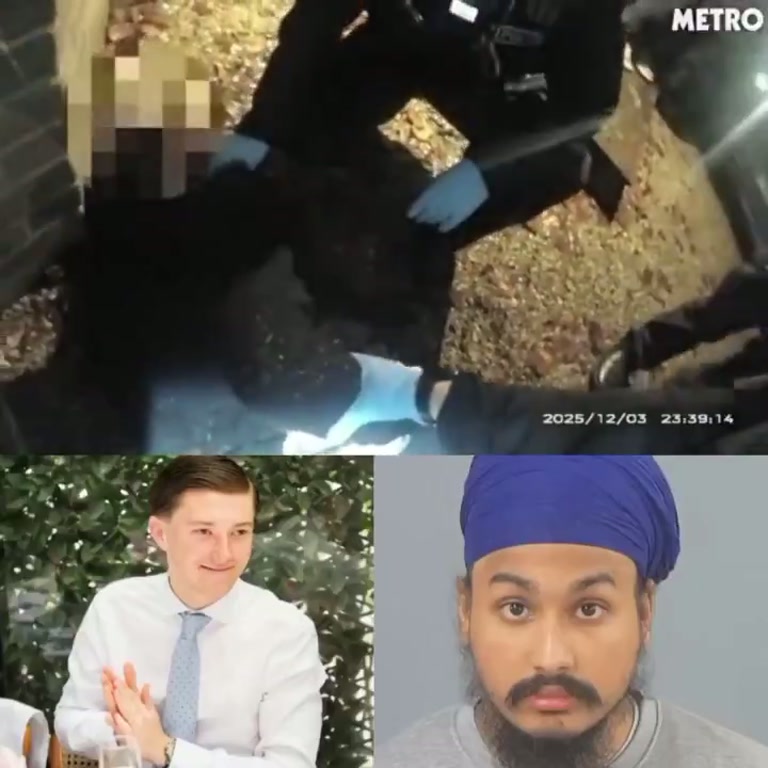
Newly released bodycam footage from an incident involving 18-year-old Henry Nowak shows the tense minutes after he told officers he had been stabbed. The video captures the moment police questioned his claim, with one officer heard saying, "I don't think you have, mate." What follows is a rapid sequence of events that has sparked widespread attention online as viewers scrutinize the officers' initial response.
Overview of the incident and the key facts
- Bodycam footage was released in the case of 18-year-old Henry Nowak, showing his interaction with police after he said he was stabbed.
- An officer is heard questioning the claim, saying, "I don't think you have, mate," and asking where he was stabbed.
- The footage captures a chaotic scene with multiple officers attempting to restrain and search the young man.
- The interaction escalates as officers place him under arrest for assault while continuing to check him for injuries.
- The release of the footage has drawn massive public attention, with many questioning the initial police response.
The Night the Cameras Rolled
The footage opens in near darkness, the kind of grainy, high-contrast night vision that turns a street into a theatre of shadows and harsh white highlights. Officers approach a young man standing near what appears to be a property line, their boots crunching on unseen ground. The audio crackles with the ambient noise of a police radio and the low hum of the night. The first words are procedural, almost routine: a question about what has happened. Then comes the answer that should have changed everything. "I've been stabbed," the young man says, his voice carrying a mix of urgency and disbelief.
What follows is the moment that has since been replayed, dissected, and debated across social media. An officer responds with a question, "You've been stabbed? Whereabouts?" and then delivers the line that has become the centre of the controversy: "I don't think you have, mate." The tone is casual, almost dismissive, as if the claim is an exaggeration or a ploy. The camera shakes slightly as the officer moves, and the young man's hand is mentioned. "Hand? Put the hand in the cuff, mate." The shift from a medical emergency to a physical restraint is swift, and the footage leaves viewers wondering how the situation escalated so quickly from a cry for help to a struggle on the ground.
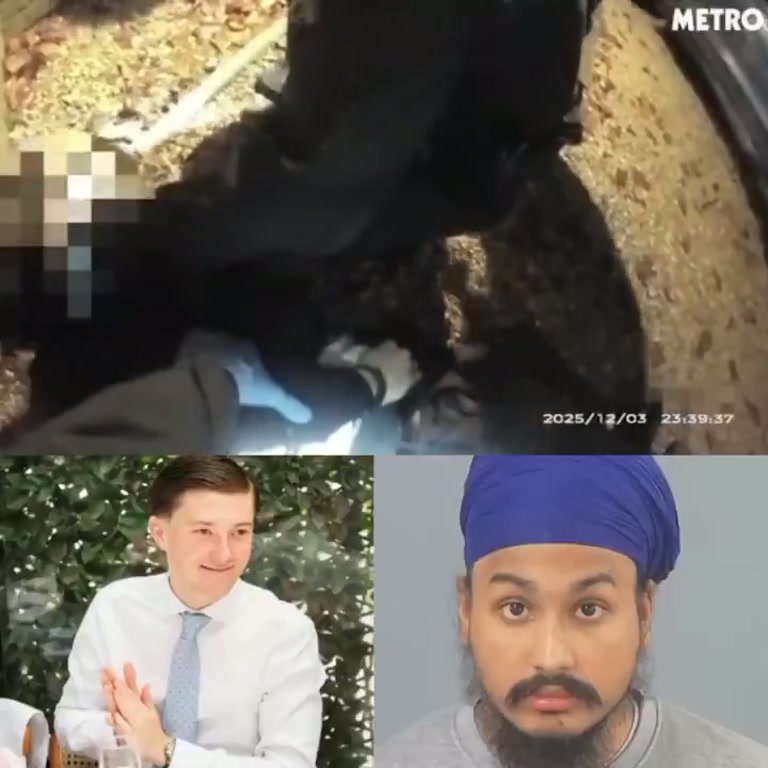
The scene unfolds in a blur of blue gloves, dark uniforms, and the young man's pale face catching the light. Other officers arrive, their voices overlapping. One says, "He's saying he's been stabbed, so let's just check him." Another asks, "Where do you think he's been stabbed? In the face?" The question hangs in the air, a mix of skepticism and duty. The camera captures the young man being manoeuvred, his body tense, as the officers try to gain control. The atmosphere is thick with confusion, the kind that comes when split-second decisions are made in the dark with incomplete information.
Voices in the Dark
The transcript of the encounter reveals a fragmented conversation, the kind that happens when multiple people talk at once and adrenaline runs high. An officer instructs, "Just get these back off, get their details and that, and I'll keep hold of him." There is a mention of keeping him on his side, a standard precaution for someone who might be injured or vomiting. "You've got a red wreath, then," one officer says, a phrase that is difficult to parse but adds to the surreal, disjointed feel of the moment. The young man is told he is under arrest for assault, and the familiar caution is read: "You do not have to say anything… Anything you do say may be given in evidence."
Amidst the procedural language, a human detail emerges. "He's going to be sick, I think," someone says. It is a small moment, but it underscores the physical reality of the situation. Whether from fear, pain, or the aftermath of a struggle, the young man's body is reacting. The officers continue to hold him, their gloved hands visible as they work. The footage does not show a weapon, nor does it show a wound. It shows a group of people in the dark, trying to figure out what is true.
The audio is a tapestry of commands, questions, and half-finished sentences. "Shall we… Keep you on your side, mate." "I'm keeping him on his side." "What's your name, mate?" The young man's responses are not always audible, swallowed by the noise and the distance from the microphone. But his initial claim—"I've been stabbed"—echoes through the entire sequence. It is the anchor of the story, the reason the cameras were rolling, and the reason the footage is now being watched by thousands.
The Arrest and the Aftermath
The decision to arrest the young man for assault is a pivotal moment in the footage. It suggests that the officers on the scene believed he was the aggressor, not the victim. Yet the charge of assault does not negate the possibility that he was also injured. The two facts can coexist, and that ambiguity is what makes the video so compelling. The officers are heard discussing the need to check him, but the priority seems to be restraint and control. "He's saying he's been stabbed, so let's just check him," one officer says, a line that sounds like a concession rather than a conviction.
The camera captures the young man being held on his side, a position that allows officers to watch him while limiting his movement. The red wreath—whether a bruise, a mark, or something else—is mentioned, but the footage is too dark and too chaotic to confirm. The officers' blue gloves are a recurring visual motif, a symbol of the medical and legal dualities of their role. They are there to help, but they are also there to enforce. In this moment, the enforcement takes precedence.
As the arrest proceeds, the young man is told he will be taken to court. The caution is read, and the legal machinery begins to turn. But the footage ends before any resolution. We do not see a hospital, a diagnosis, or a courtroom. We see only the raw, unedited minutes of an encounter that has now become a public spectacle. The release of the bodycam footage has been described as a confirmation of something—what exactly, depends on who is watching.
A Public Reckoning
The video has sparked a firestorm online, with users sharing it widely and opinions split on what it shows. Some viewers focus on the officer's dismissive tone, arguing that it reveals a failure to take a young man's claim seriously. Others point to the chaos of the scene, the need for officer safety, and the difficulty of assessing injuries in the dark. The footage does not offer a clear villain or a clear hero. It offers a situation no one saw coming, a moment of decision that will be debated for a long time.
The case involves an 18-year-old named Henry Nowak, a detail that has been widely circulated alongside the video. The fact that he is identified by name adds a personal weight to the story. He is not just "a man" or "a suspect"—he is a specific person with a specific age and a specific claim. The bodycam footage shows him in a vulnerable position, held on the ground, his words initially doubted. Whether that doubt was justified is the question at the heart of the public reaction.
The release of the footage has also raised questions about police protocol. When someone claims to have been stabbed, what is the correct procedure? Should the claim be taken at face value until proven otherwise? The officers on the scene did eventually agree to check him, but the delay—and the tone of the initial response—is what has drawn criticism. The video does not show a formal investigation or an official conclusion. It shows a moment, and that moment is now being replayed endlessly.
The Questions That Linger
As the footage circulates, the conversation has moved beyond the specific incident to broader issues. How do police balance the need for control with the duty to care? How does the stress of a night shift affect decision-making? And what happens when a person's cry for help is met with skepticism? The video does not answer these questions, but it forces them into the open. The officers are heard saying, "We were set up when we had him here, but he didn't like it." The phrase is cryptic, but it hints at a context that is not fully explained in the footage.
The young man's voice, repeating that he has been stabbed, is the emotional core of the video. It is a simple statement, but it carries the weight of everything that follows. The officers' response—"I don't think you have, mate"—is the counterpoint. Between those two lines, a whole drama unfolds. The rest of the footage is the fallout: the restraint, the arrest, the caution, the wait for medical attention. The video does not show what happened before the camera started rolling, nor does it show what happened after. It is a window, not a panorama.
The public's fascination with the footage is understandable. It is a raw, unpolished look at a high-stakes interaction. There are no talking heads, no narration, no music. There is only the dark, the voices, and the struggle. The person at the center of it is a teenager, and the people around him are authority figures. The power dynamic is unmistakable. Whether the officers acted appropriately is a matter for official review, but the video has already made its mark on the public imagination.
The footage ends with the young man in custody, the officers waiting for transport or medical evaluation. The red wreath—whatever it was—has been noted. The questions remain. What do you think should happen when a person's claim of injury is met with disbelief?
| Incident parameter | Logged / on-scene information |
|---|---|
| Individuals involved | 18-year-old Henry Nowak and police officers |
| Time of day | Nighttime |
| Location | Outdoor area (specifics not detailed in footage) |
| Initial claim | "I've been stabbed" |
| Officer response | "I don't think you have, mate" |
| Arrest charge | Assault |
| Video source | Police bodycam footage |
Important note: The footage provides a partial view of the incident; official findings and the full context have not been independently verified.
Core questions still unanswered
- What was the final medical assessment of Henry Nowak's condition?
- Will the release of this footage lead to a review of police procedures in similar situations?
- How has the community reacted to the officers' comments in the video?
Learn more: Georgia Officer Shoots Donkey: Bodycam Footage Released
This story was edited from a publicly posted video; some details may not be independently verified.