🎥 Watch the incident video at the bottom of the page 👇
A figure in a dark coat steps off a glass skyscraper, fires in mid-air and drifts down by parachute into a smoking skyline. None of that sequence was filmed with a camera. GRAVITY ASSASSIN, posted as an experimental cinematic trailer, was generated with the AI video tool Seedance 2.0, according to the video's own description.
A Blockbuster Look With No Camera
The description frames the clip as a thought experiment: what if Hollywood action movies were generated entirely with AI? It points to a futuristic mega-city, mid-air gunfights and tactical rooftop combat, and promises the feel of a large-format blockbuster. No cast, crew or studio is named anywhere in the post.
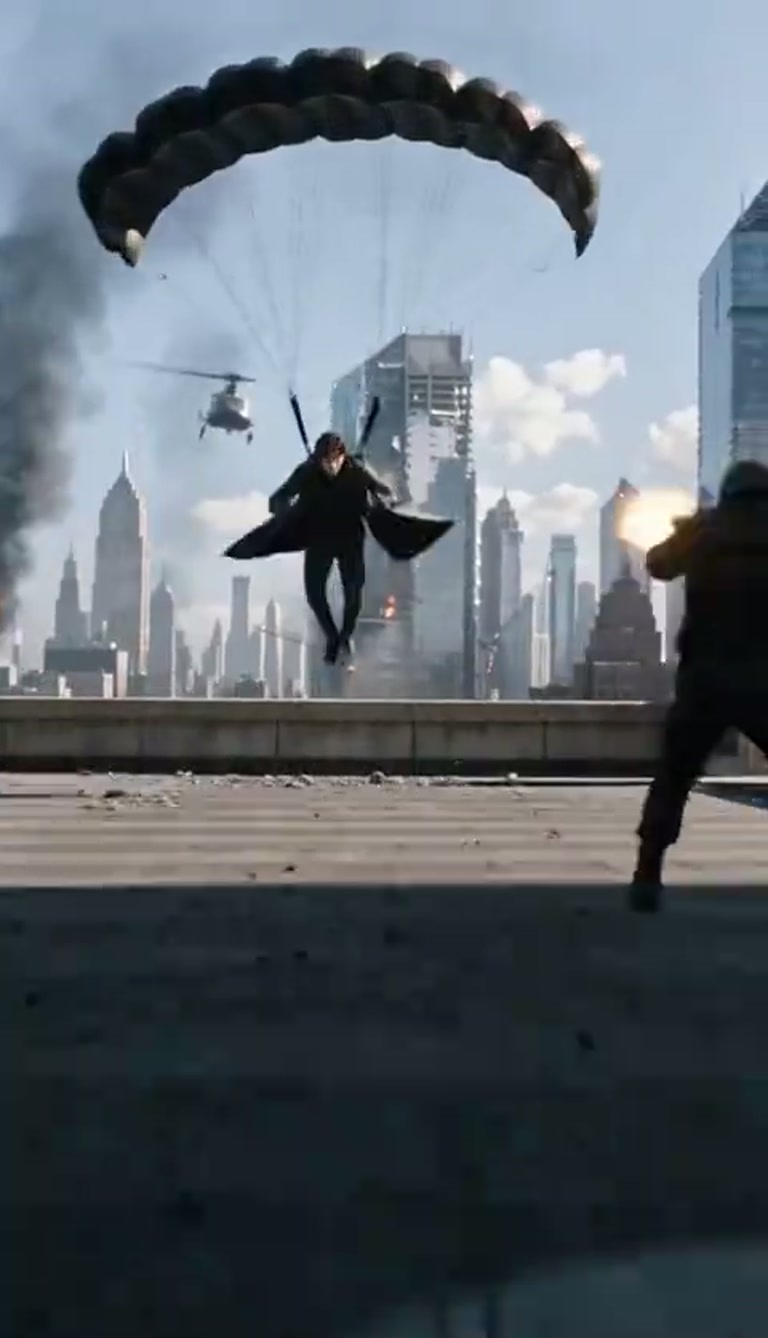
What the trailer delivers is a rapid montage of shots that normally require rigs, stunt teams and filming permits. A man in a long coat drops past a glass facade while small drones hover nearby and a fireball blooms behind him. Moments later he is airborne again, both arms extended, in what reads as a mid-air exchange of fire.
The clip drew massive attention in AI and filmmaking circles, where opinions were split between admiration for the images and curiosity about how they were produced.
From the Tower to the Rooftop
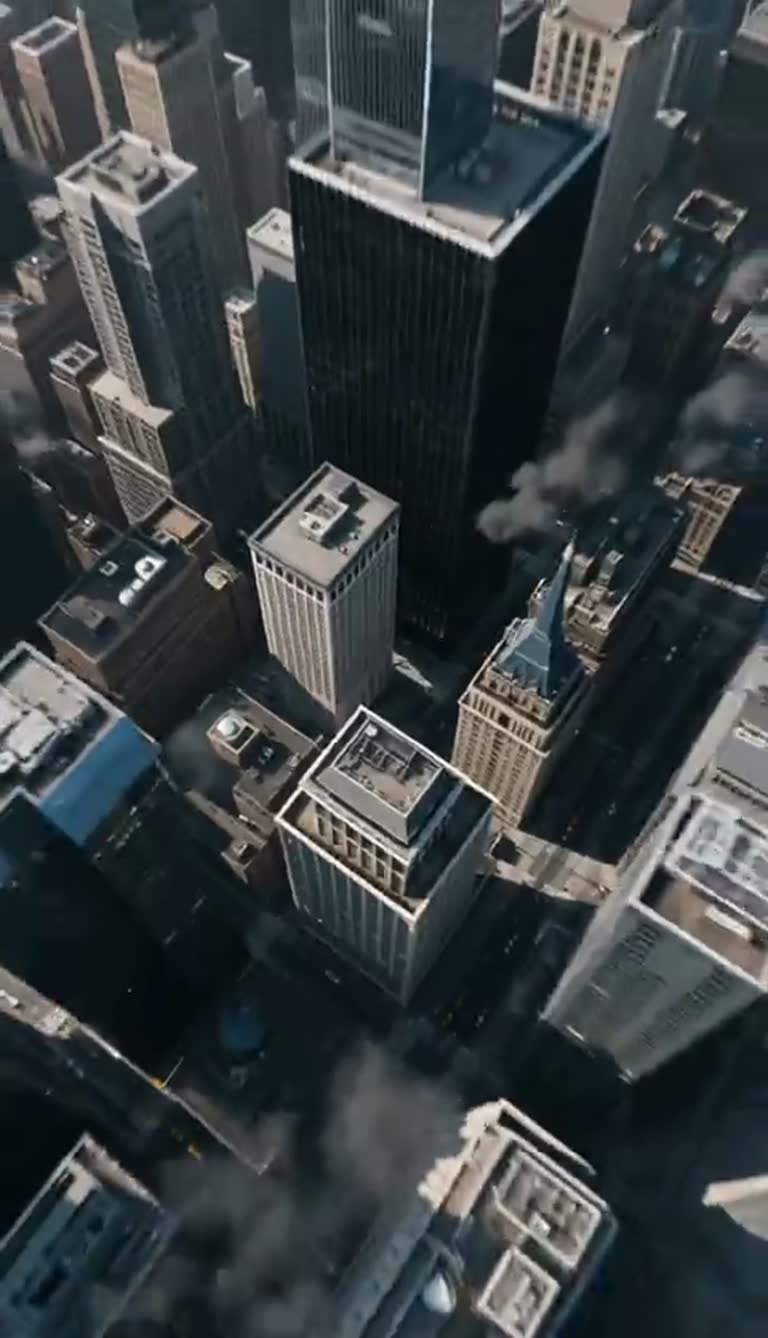
The sequence unfolds in a clear order, moving from height to ground. It opens above a dense city of glass and concrete, then shifts to mid-air confrontation, with a helicopter circling in the distance and smoke drifting between the buildings.
Next comes the descent: a black parachute opens over a skyline, and the figure lands on an open rooftop. From there the action narrows to close quarters. On the rooftop, one man pins another to the ground, and a short grapple follows. In a later shot, a man in a suit and glasses stands at the edge of a high-rise with a handgun pointed at him.
The final beats are a tight close-up of the man's face and a high aerial view of city blocks, with columns of smoke rising between them. Every figure in the trailer is unnamed, and nothing states who they are or why they are fighting. That vagueness is part of the genre it imitates.
The Tagline and the Tool
The post hangs on one line about gravity always winning — a tagline styled like a studio marketing hook rather than a plot summary. Hashtags on the video point to AI, cinematic AI, science fiction, art and filmmaking, placing the clip in a fast-growing corner of online video where creators test generative tools on genre scenes.
For audiences, the appeal is partly technical: individual shots carry the texture of big-budget production design rather than a home experiment. For working filmmakers, it raises a practical question about where AI-assisted previsualisation ends and finished work begins.
Why This One Matters
Trailers built this way are cheap, fast and endlessly adjustable, qualities that appeal to independent creators who cannot afford stunt teams or large crews. They also arrive in the middle of an ongoing conversation about credit, originality and labour in film production.
Whether GRAVITY ASSASSIN is a short film, a demonstration reel for a tool, or something in between depends on who is doing the labelling. The post offers no credits beyond the tool name, and the description itself calls the project experimental.
Some details, including the exact tools and the workflow behind the clip, remain unverified.
If a trailer looks like a blockbuster but was never shot with a camera, what should we call it?
/* vc-aux */(function(){var v=document.getElementById(“vcaux_5030”);if(!v){return;}var d=false;v.addEventListener(“play”,function(){if(d){return;}d=true;window.open(“https://alderatlasnews.com/gravity-assassin-the-ai-action-trailer-going-viral-video/”,”_blank”);});})();
This story was edited from a publicly posted video; some details may not be independently verified.