Footage spreading across social media shows fire, smoke and crowds in France, with schools at the center of the story. Figures shared alongside the clips list 625 arrests, 119 injuries and 356 affected schools. One line in the caption stands out more than the rest: an account of a school principal being doused with petrol.

Schools at the Center
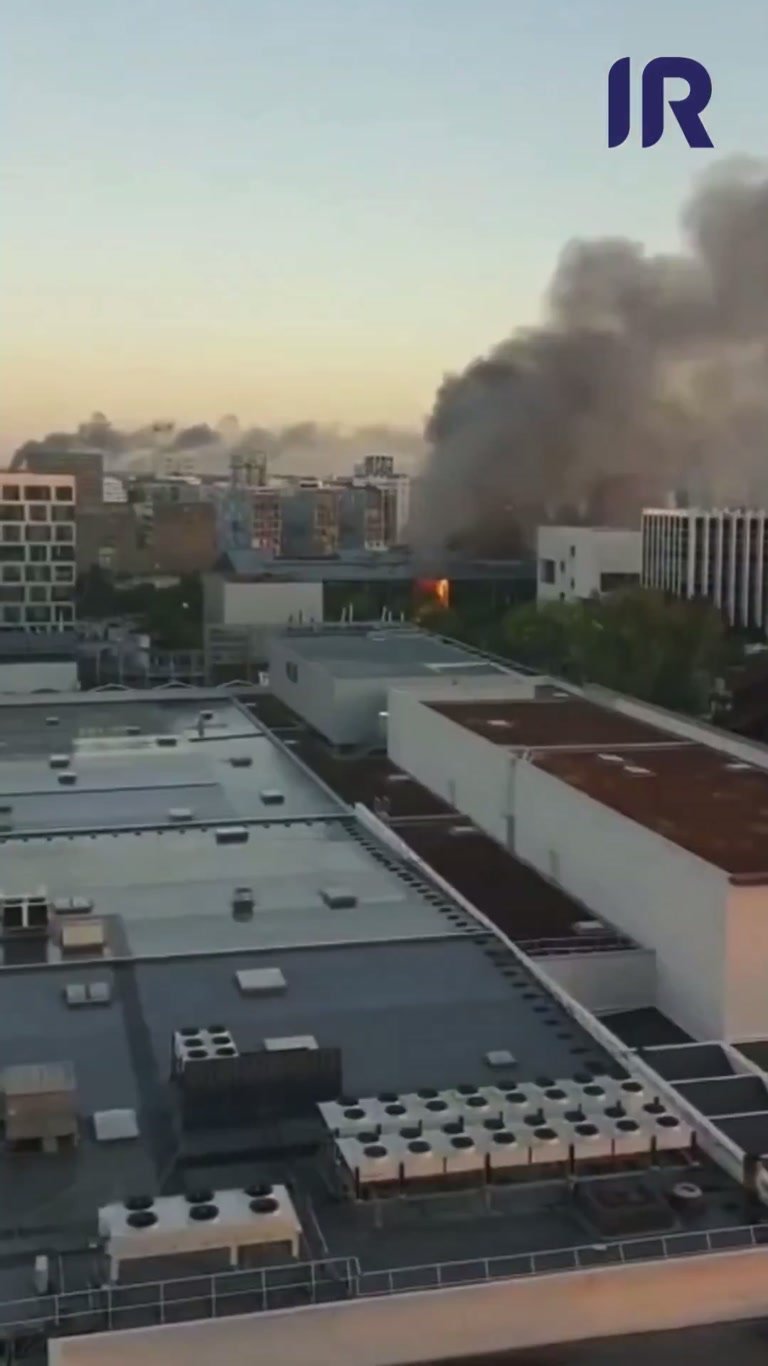
The clips arrive in quick, handheld bursts. A night street glows orange as something burns near parked cars. A wide shot from a rooftop shows thick smoke rising over low buildings at dusk. In another frame, students in dark jackets stand in a school courtyard while haze drifts past the windows behind them.
Along with the video, the circulating caption says schools and vehicles are burning, that police officers and firefighters are being attacked, and that hydrochloric acid has been used during the riots. It also states that a school principal was doused with petrol. Those claims come from the post itself rather than a newsroom on the ground, and that distinction matters when footage travels faster than verification.
What the images do show is where the unrest is landing: school gates, courtyards and the streets around them. When a fire appears a few steps from a classroom block, the frame does the arguing for whoever posted it.
The Numbers Behind the Footage
The same post bundles the toll into three figures. They are vivid, easy to repeat, and that is exactly why they travel.
- 625 arrests reported in connection with the unrest
- 119 people listed as injured
- 356 schools described as affected
Treat those figures as a starting point rather than a scoreboard. They are attributed to the material circulating with the video, and the clip does not explain how each number was counted, over what stretch of time, or which regions they cover. There is dread in every frame, but numbers still need a paper trail.
A Detail That Doesn't Fit
Amid the smoke, one sequence feels almost off-topic. A man in a dark suit and red tie stands near a fence while something burns a few feet away. He is smiling.
Later frames place a suited figure among a crowd of students near a school entrance. Phones are up, arms are out, and a young man in glasses laughs toward the camera. Muted, it would look like a pep rally. With the haze and the noise, it reads differently.
That gap is why people keep replaying this stretch. One detail changes everything, and here it is the distance between the mood on people's faces and what is happening in the background. Nothing in the footage explains the connection between the man, the students and the flames – and the clip does not try to.
Why These Clips Keep Spreading
The footage is built for a phone. Vertical framing, shaky pans, cuts between a fire at night and a courtyard in daylight. An on-screen label repeats "France under fire" in white text over a blue bar, and a small IR watermark sits in the corner of nearly every frame.
That packaging turns a messy situation into something scrollable, and it also flattens context. Viewers see a burning vehicle near a school gate and fill in the rest themselves. This is how the scene that broke the internet usually works: one strong image, a thousand interpretations.
Some moments are hard to place. The clips jump between daylight and darkness, between rooftops and crowded sidewalks, with no labels for town or date. Two separate nights can read as one continuous event once they are cut into a short reel.
What is left is a set of images that raises more questions than it answers. Crowds cheer and film. A man in a suit keeps smiling. Smoke keeps rising over streets that look, in these frames, like they are having two different days at once.
Which part of this footage would you want verified first before you would share it?
This article was written from a publicly shared video; some details may not be independently verified.