Old-School Trucking: When Truck Stops Felt Like Home (video)
ADVERTISEMENT
Before anyone pulled out a phone to check reviews, the best food on the highway was wherever the truckers ate. If a big rig was parked outside, that was your sign. That one simple idea — good food, big trucks, and the American way — brings back so many memories.
Why Everyone Trusted the Truck Stop
The logic made perfect sense, and it still does today. If a driver spends his week on the road, he isn't going to waste a meal stop on something forgettable. So families in station wagons followed the trucks, and the parking lots filled with people who had no other reason to pull off the interstate.
The drivers took it in stride. They sat around talking about loads, about how fast their trucks would go, and about whatever else came up between coffee refills. Regular travelers just grabbed a seat nearby and listened.
ADVERTISEMENT
It wasn't a fancy arrangement. No reservation, no host stand, no list of specials posted anywhere. You found a table, ordered something hot, and watched the rigs come and go through the window.
“You know a lot of folks stop at truck stops… they figure any place that a truck driver eats, the food's just gotta be good.”
It was a compliment, really. Word of mouth did more for those counters than any billboard ever could.
ADVERTISEMENT
Chrome, Cabovers and Painted Doors
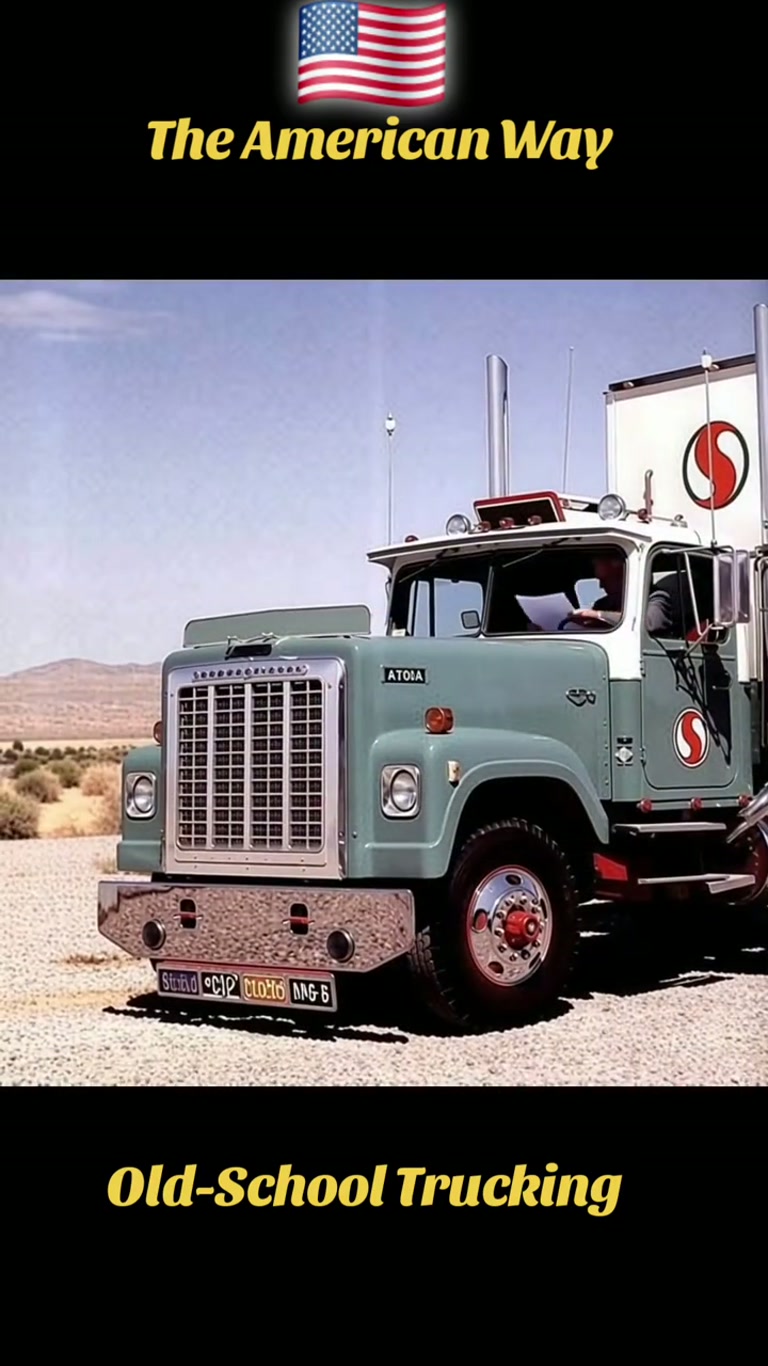
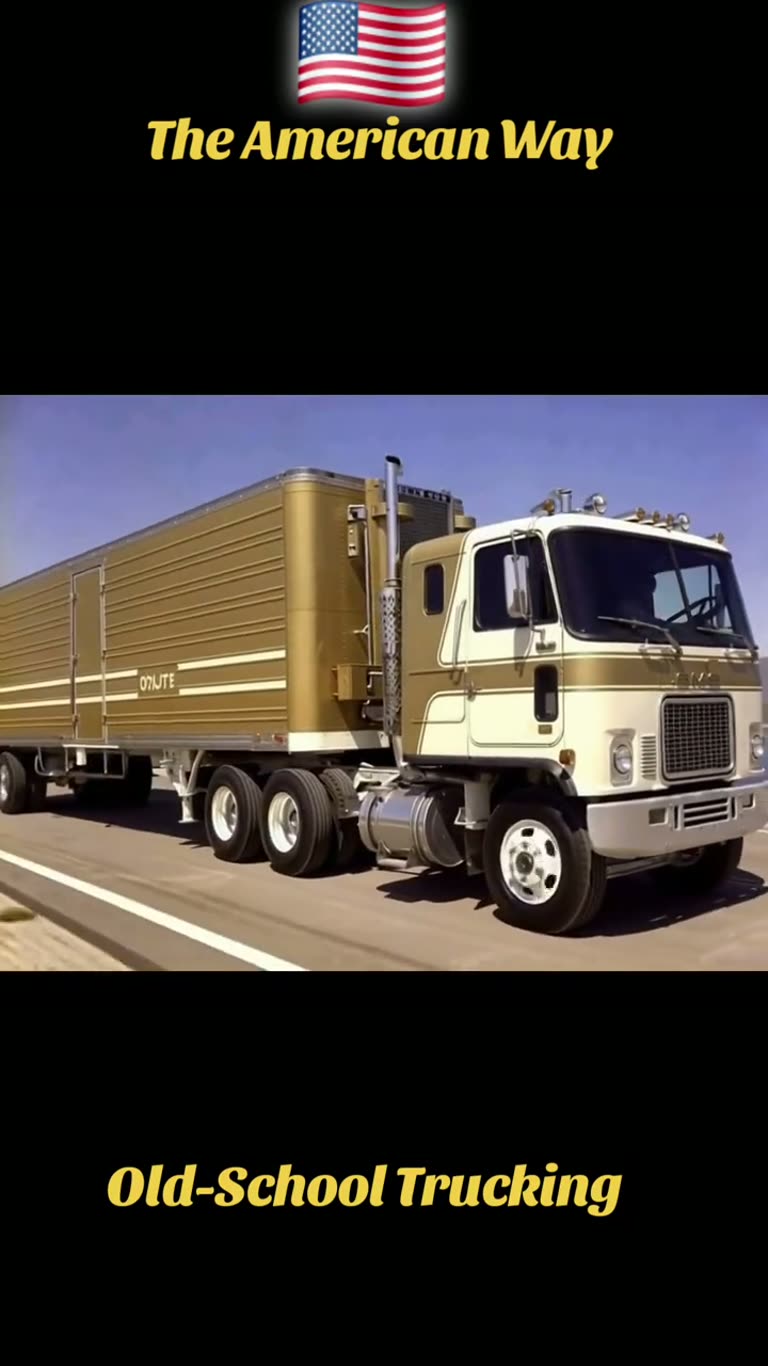
Everything on these rigs was built to be looked at. Big chrome grilles, twin exhaust stacks, and trailers rolling past with company names painted in letters you could read two lanes away.
Cabover trucks show up again and again, with the driver sitting up over the front wheels. One green-and-white rig crosses open desert in bright sun. Semi trucks and long box trailers wait in dusty lots, while the words The American Way sit above the flag that opens the clip.
ADVERTISEMENT
Out on the road, a white sedan tucks in behind one of those long trailers while another car holds its lane. Near a parked trailer, a man walks past a pickup, going about a shift that started hours earlier.
Those trailers carried names that once lined every interstate:
ADVERTISEMENT
- Carolina Western
- Roadway
- DELTA
Above the road, a plain green sign points toward Ave 36 E Roll, with the exit still a mile ahead. Functional and unglamorous — exactly the kind of sign that told you precisely where you were.
A Couple, a Rig, and a Smile
Then comes the picture that sums up the whole era. A man and a woman stand in front of a big red conventional truck, both in light shirts and blue jeans, one with a hand on her hip and a grin on her face. Parked trucks and long painted trailers fill the lot behind them.
ADVERTISEMENT
No posing tricks, no studio lighting — just two people proud of the rig they stood next to. That's how photos looked back then, on real film, and it might be why they still hold up so well decades later.
Things Were Different Back Then
The road had a culture of its own. Truck stops worked like small town squares with diesel fumes, and everybody understood what the painted names meant. You didn't need an app to find dinner. You followed the trucks and hoped for a good seat by the window.
ADVERTISEMENT
The pace was slower in a good way. Loads moved, coffee got refilled, and nobody was in a particular hurry to give up a good table. Hard to explain to younger generations, honestly.
A few of the details in old footage like this are tough to confirm today, and some names and places may not be independently verified.
ADVERTISEMENT
What do you miss most about those roadside stops — the coffee, the pie, or just the sound of a big rig idling outside?
This story was edited from a publicly posted video; some details may not be independently verified.