Homeless 10 Years: Why She Never Went Back Home to Mom (video)
ADVERTISEMENT
For roughly a decade, Skyler Rush has lived outside rather than return to her mother's house, and the reason she gives has nothing to do with distance. Asked how long she has been homeless, the 32-year-old answers without hesitation: about 10 years. What she says about love, addiction and a promise she made to herself is a situation no one saw coming.
A Decade in a Single Answer
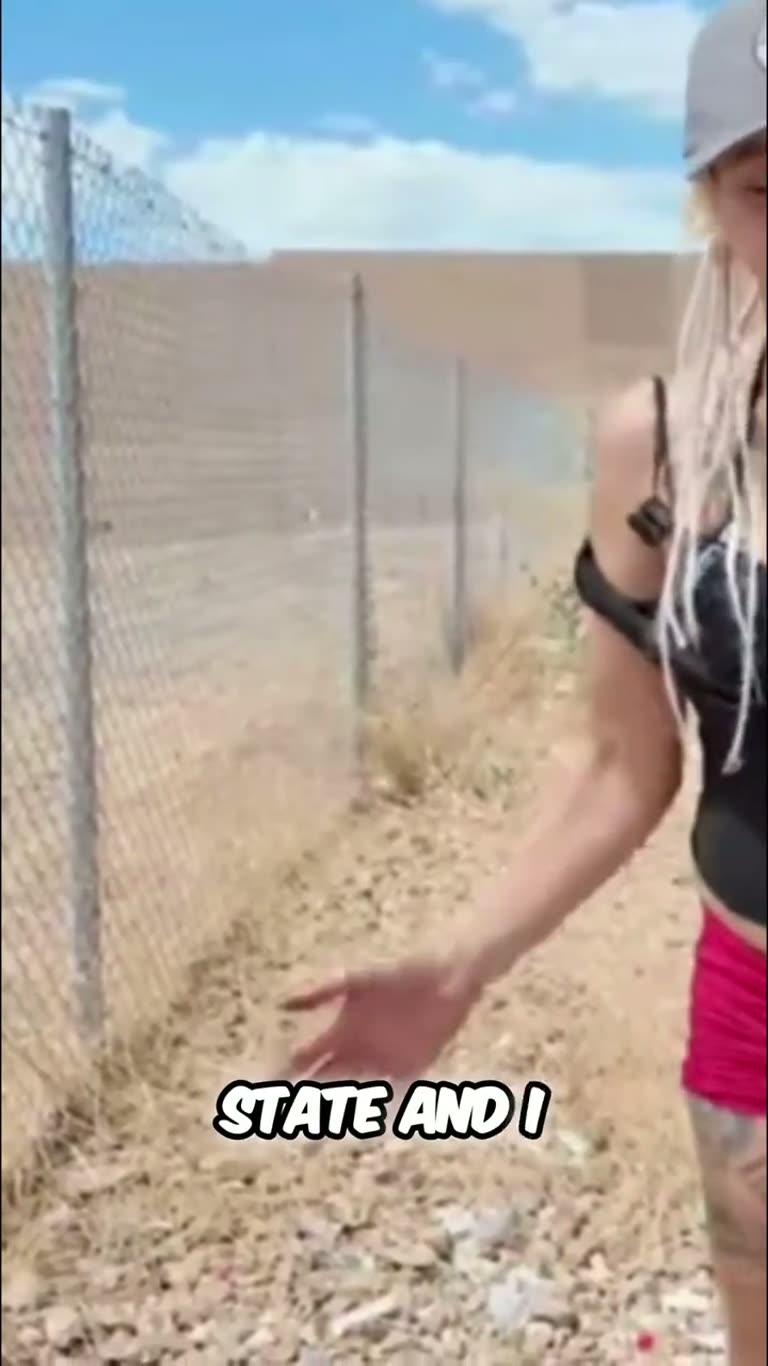
The exchange starts simply. An interviewer asks how she is doing, learns her name and then asks her age. Skyler Rush, 32, says she has been homeless for about 10 years now.
She gives that answer while walking a gravel path beside a chain-link fence, with a low brick wall behind her and dry brush on both sides. She keeps moving as she talks, past scattered debris and a stretch of blooming bougainvillea, wearing a grey cap, a black top, red shorts and boots.
ADVERTISEMENT
The number is the striking part: roughly a third of her life spent outdoors. She never describes it as a sudden fall. In her telling, it was a sequence of decisions, each one narrowing the road back to a front door.
Love, Then Drugs, Then the Streets
Her account of what changed comes quickly. She says she fell in love, and that the two of them then got hooked on drugs. When the relationship broke down, he left for a different state. She did not follow him, and she did not go home either.
ADVERTISEMENT
Instead, she stayed on the streets. Captions running across the clip trace that part of the story in single words as she speaks, one of them reading simply addiction.
The decision that followed is the one she returns to. She did not want to go home to her mother while she was still using. In her words:
ADVERTISEMENT
"I decided I was going to get clean first before I went to her house."
That one sentence covers a decade. It is also the point where the story stops being about a relationship and becomes about a standard she set for herself, and the time it has taken to meet it.
Why the Door Stayed Closed
Anyone watching might wonder why someone would trade a bed for a roadside. Her answer is about timing and shame rather than rejection. She says she stayed on the streets rather than go back home because returning with an addiction was not something she was willing to do.
ADVERTISEMENT
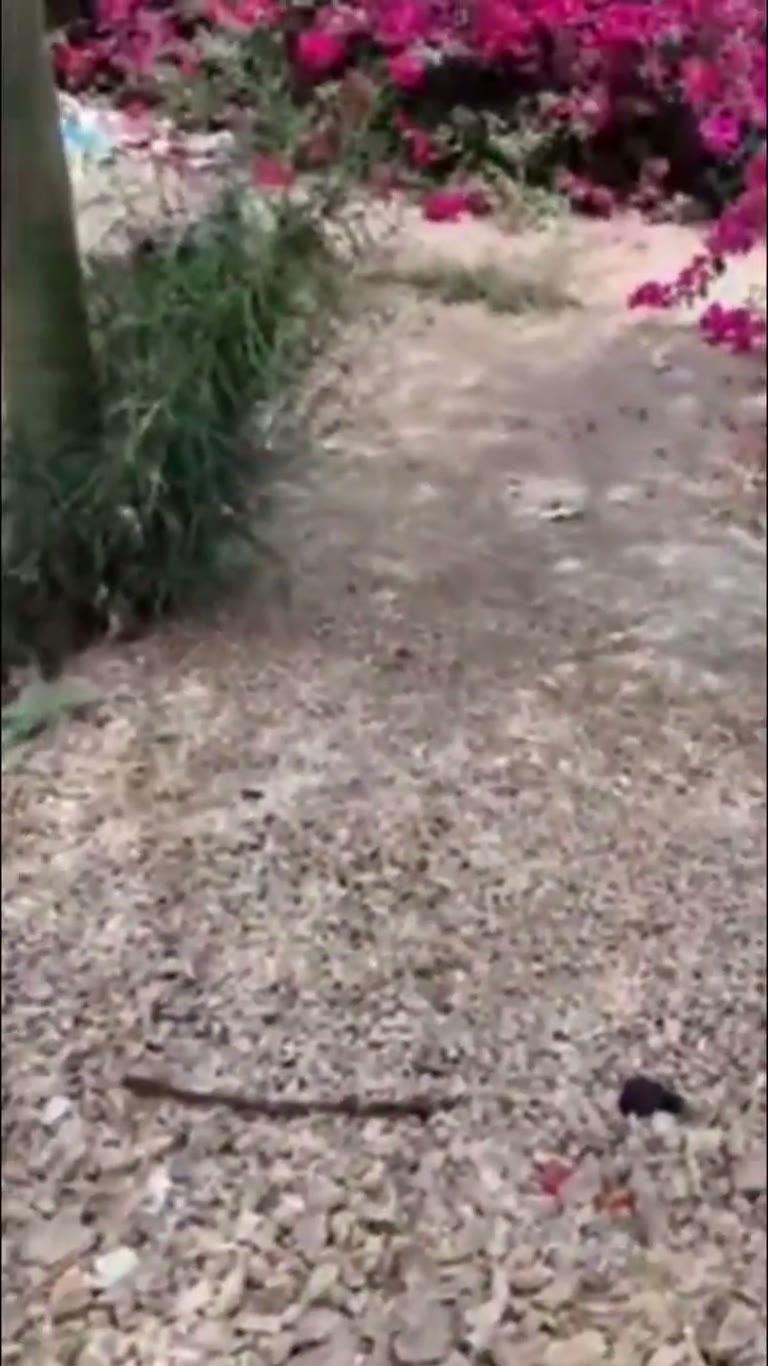
The footage around those words is ordinary: cracked earth, rocks, a fence line, a wall. Nothing dramatic happens on screen. There is no argument and no confrontation, just a woman walking and answering questions about a plan she made years ago.
The post is tagged with terms such as homelessness awareness and the cost of living, which frame the clip as part of a wider conversation. It makes no claim about her circumstances beyond what she says herself.
ADVERTISEMENT
The Plan She Is Still Working Toward
What she describes is a milestone rather than a date. Getting clean comes first; going home comes after. Nothing in the exchange suggests how close or how far that milestone is, and the clip ends without an update on her situation.
For viewers, the value may be in the reframing. Homelessness is usually discussed in statistics, budgets and policy terms. Here it is one person putting a reason to her own decade outdoors, in her own words, while walking a path that looks like any other piece of dry ground.
ADVERTISEMENT
It also suggests why the question of what comes next is so hard. Housing, treatment and family all sit in the same sentence, and the order matters most to the person living it. For her, that order was fixed long ago. Whether outside help would change it is not something the video addresses either way.
What do you make of this — should a family push for a return home first, or respect a plan like hers?
ADVERTISEMENT
This story was edited from a publicly posted video; some details may not be independently verified.