AI Dystopian Trailer: Inside the DresscodeAI Workflow (video)
ADVERTISEMENT
🎥 Watch the incident video at the bottom of the page 👇
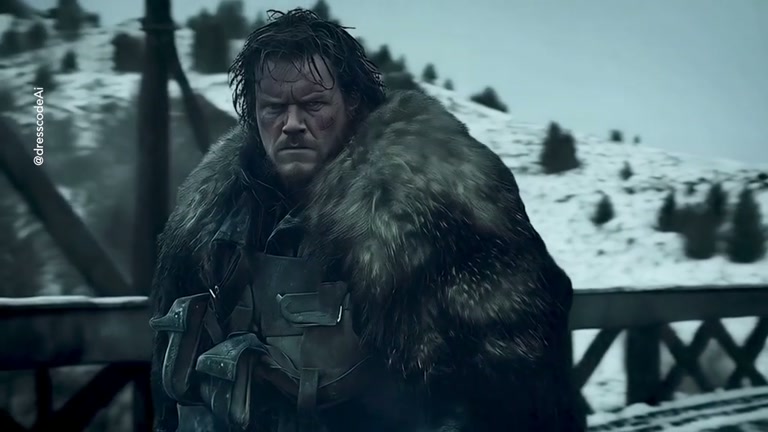
A man with a scarred, weathered face stares past rain-darkened hair, his jaw set. Moments later he stands on a snow-covered ridge in a heavy fur-collared coat, a revolver in his hand, a wrecked vehicle still smoking behind him. None of it was filmed, and the creator has laid out exactly which tools assembled it.
ADVERTISEMENT
A Cold, Silent Ridge
The sequence opens tight on a face: cracked skin, wet hair, eyes narrowed against something outside the frame. The camera then drops lower, to a pair of gloved hands working at a belt buckle. From there the view pulls back to a figure in a heavy fur collar standing on what appears to be a snowbound ridge — railings behind him, pine trees and pale hills fading into grey.
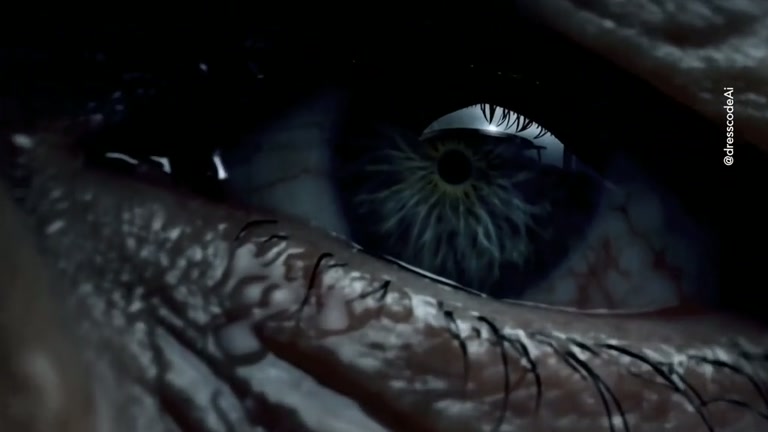
A later shot is closer and harsher. The same man grips a revolver, a ruined vehicle and drifting smoke behind him. One frame pushes in past the lashes to the iris itself, the kind of extreme close-up usually saved for a title sequence.
ADVERTISEMENT
No dialogue appears anywhere in the clip. Nothing identifies the man, the location or the conflict, and no other people are visible in the frames. The coat, the belt and the weapon are the only objects given close attention. The images are left to carry the story alone, moving from portrait to hands to landscape and back again.
Five Tools, One Grim Look
The creator's own notes describe a pipeline rather than a shoot. A still image is pushed through image-to-video generation, then cut together in an editing suite. The list of tools is short and specific:
ADVERTISEMENT
- Hailuo AI (MiniMax) for image-to-video conversion
- Adobe Premiere for editing
- Midjourney, Sora and Stable Diffusion for still images
- Artlist for the music bed
The finished piece is tagged as dystopian, AI art, short film and dark future, and the creator describes testing the AI while going further into shadow for this scene. That line reads as a statement of mood rather than of any real setting.
It is a trailer in form, not in function. There is a rhythm of cuts, a soundtrack and a tone, but the material never resolves into a scene with a beginning, middle and end. Two cards at the close handle the promotion instead.
ADVERTISEMENT
Title Cards and a Channel
The first card reads ALTERNATIVE TAKE, with a pointer to the YouTube channel @dresscodeAI. The second spells out a title in progress — DYSTOPIAN W on one line, THE MOVIE on the other — presenting the clip as a teaser for something longer.
The description directs viewers to a TikTok account, @dresscode.ai, and a Ko-fi page under the same name, and invites comments by saying that feedback feeds the darkness of the next scenes. How far that project has actually progressed is not stated anywhere in the available material, and no release date appears on screen.
ADVERTISEMENT
Why a Scene Like This Lands
What gives the sequence its weight is contrast in scale. A macro shot of an eye sits beside a wide shot of a ridge; a rain-soaked portrait sits beside a smoking wreck. The frames imitate the grammar of a feature trailer — the slow push-in, the cut to hands, the cut to open country — without any of the production that grammar usually implies.
That grammar is the point. An unexpected turn in generative tooling has moved a cinematic look within reach of one person working from still images, and the clip is presented as evidence as much as entertainment. Whether the effect holds for more than a minute is a different question, because a teaser promises far less than a finished film.
ADVERTISEMENT
It also raises a quieter question about what viewers are watching. There is no cast list, no location and no crew to credit — just a pipeline, a soundtrack and a title card. The clip does not pretend otherwise, but someone scrolling past may never read the tags that say so.
For now the scene stands alone: a man, a ridge, a weapon, and weather that never quite breaks. What do you make of this — does knowing how the images were made change what you see?
ADVERTISEMENT
This story was edited from a publicly posted video; some details may not be independently verified. According to the creator's channel @dresscodeAI.