Deputy Confronts Man on Bench, Then FBI Agents Move In (video)
ADVERTISEMENT
A late-night park stop opens as an ordinary welfare check and flips into something much larger. In the clip, a deputy walks up to a man sitting alone on a bench, accuses him of loitering and drinking in public, and threatens to arrest him. The man turns out not to be who the deputy assumed, and the encounter ends with the officer in handcuffs.
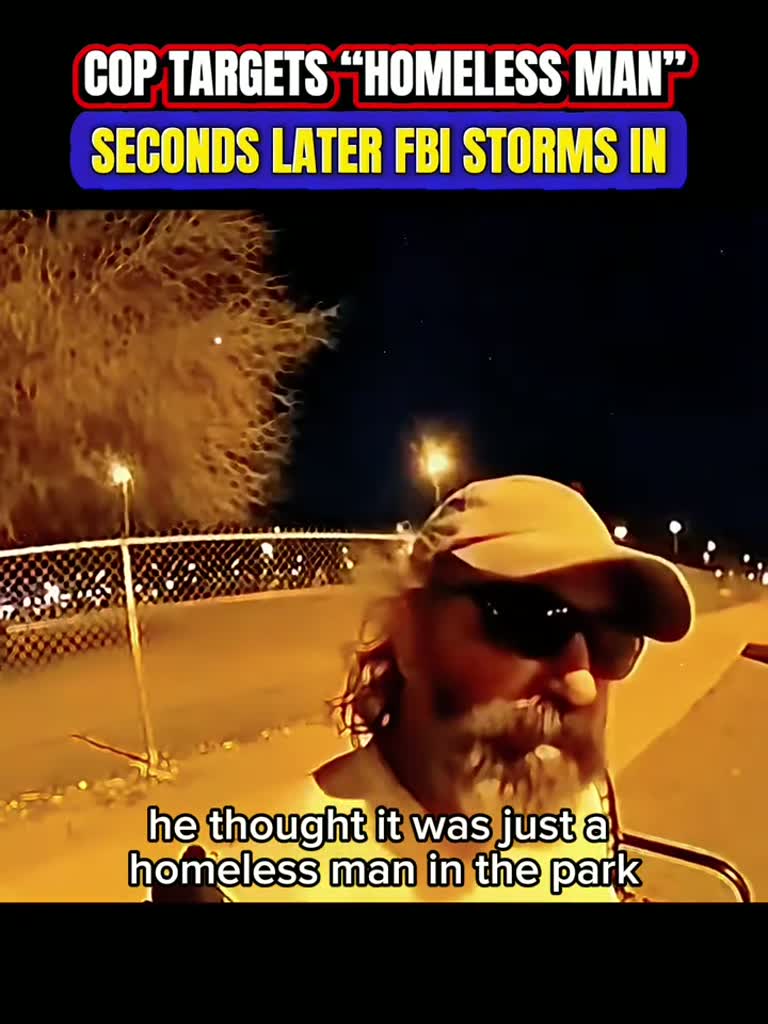
A Bench, a Deputy, a Check
The setting is a park after dark — streetlights, a chain-link fence, an empty road behind the bench, no one else in view. A deputy approaches a man seated alone in a cap, sunglasses, a long beard and a plain white shirt. According to the captions, the officer accuses him of loitering and drinking in public and tells him to move along.
The man does not move, and the dialogue is clipped. The deputy tells him to wake up and warns him not to sleep in the park; the man replies that he is awake. The officer says what is sitting at the bench is not alcohol.
ADVERTISEMENT
The pushback stays calm and specific. The man states that there is no alcohol and no probable cause for the stop.
"There is no alcohol. You have no probable cause."
The deputy does not accept it. He answers that he does not need probable cause because he is conducting a welfare check. The man says he is fine and tells the officer to step back to his vehicle. The officer refuses, saying he does not take orders there.
ADVERTISEMENT
There is also friction over place. At one point the officer says the man is compromising the area; the reply turns the phrase around, asking how someone simply sitting in a park could be doing that. Then comes a last warning to leave the position, delivered in the same flat tone as everything before it.
Orders, a Bag, a Warning
From there, the captions describe a clear escalation. The officer orders the man to stand, reaches for his bag and moves to search it, and threatens arrest. Frames from that stretch show a hand gripping the bag while the man remains seated on the bench.
ADVERTISEMENT
Throughout, the man keeps warning the deputy that he is making a catastrophic mistake. Nothing in the scene at that point suggests the warning carries any weight — the tone stays procedural, the questions keep coming, and the bag is still in play. He stays seated through the exchange and answers calmly, while the officer's instructions get shorter.
Blue Lights and Raised Rifles
Then the footage changes register. Frames show blue light washing over the area, an officer in the foreground and figures behind him holding what appear to be rifles. The captions state that federal agents rush in with guns up.
ADVERTISEMENT
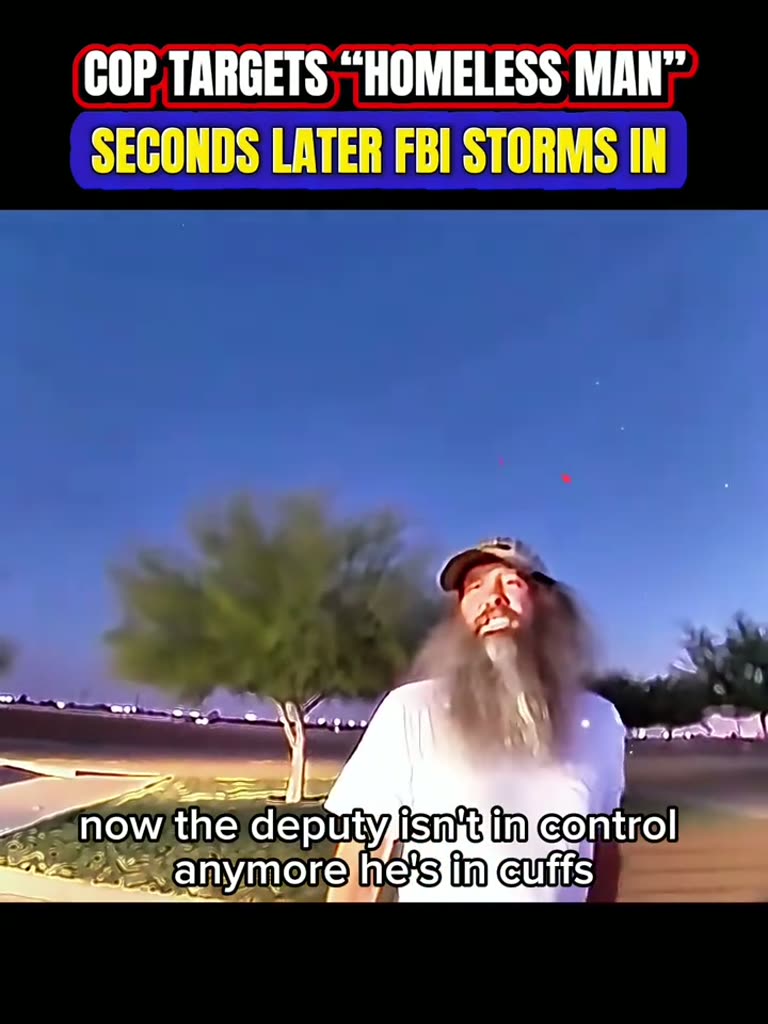
The reveal lands immediately after: the man on the bench was an undercover federal agent. One line of audio refers to a six-month undercover sting and to a name, "Special Agent Miller," and mentions an arrest for obstruction of a federal investigation.
Earlier lines about a bench, a park and a welfare check now sit next to language about an operation, and the scene reads differently than it did a minute earlier.
ADVERTISEMENT
Who Ends Up in Cuffs
The closing beat reverses the roles. According to the captions, the deputy is no longer in control of the encounter and ends up in handcuffs. The captions frame the sequence as a warning that was ignored.
That reversal is what gives the clip its pull: a loitering complaint, a demand to search a bag, and then a federal operation surfacing in the same short stretch of footage. Viewers are left comparing two readings of the same few minutes — the deputy's view of a man on a bench, and the operation the man was actually part of.
ADVERTISEMENT
The source material does not establish whether the encounter is a real arrest or a scripted reenactment, and no official account of the events is included. Some details, including names and the exact sequence, could not be independently verified.
If you were the deputy walking up to that bench, at what point would you have stepped back?
ADVERTISEMENT
This story was edited from a publicly posted video; some details may not be independently verified.